
In 2012, Iowa treated a crash-prone urban bridge with a high-friction surface; skid readings rose from 30s–40s to 90s–100s, with 4 crashes in a year
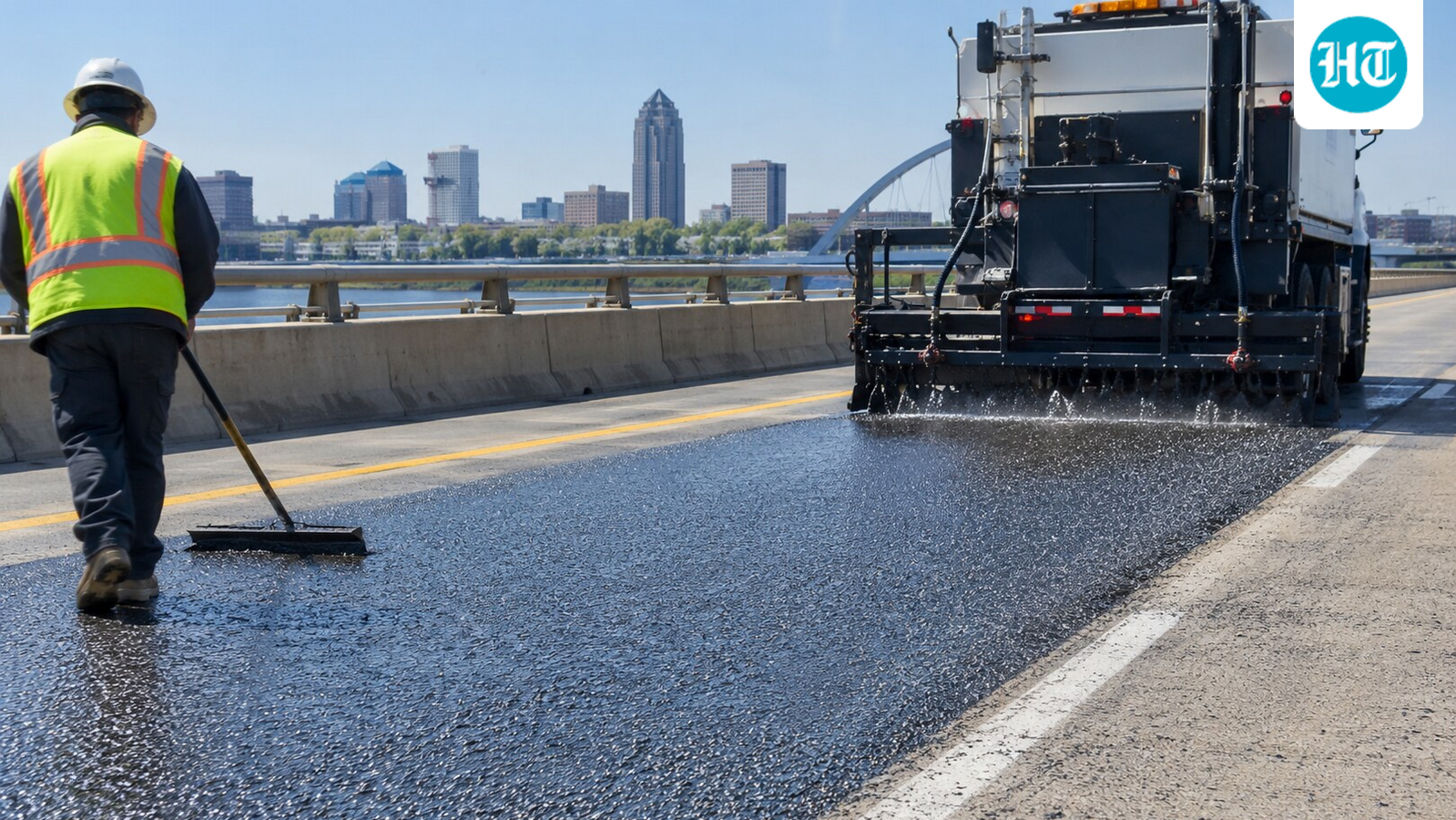
Representative image of a bridge roadway improved with a high-friction surface to enhance tire grip and reduce crash risks. (AI-generated/ ChatGPT)

A busy bridge in Cedar Rapids, Iowa, became a recurring trouble spot for drivers, especially when rain or ice reduced the road surface’s grip. In the years before 2012, more than 54 crashes were recorded at the location, prompting transportation officials to look for a solution that could improve safety without shutting down a major … Read more

In 2007, Pennsylvania coated an 800-foot crash-prone curve with high-friction surfacing; the site had no wet-road crashes for the next eight years

Representative image of a winding roadway treated with a high-friction surface to improve tire grip and reduce wet-weather crashes. (AI-generated)

A sharp curve on Pennsylvania’s Route 611 had a persistent safety problem that conventional road signs and markings could not solve. When rain covered the pavement, drivers faced a combination of low surface friction and difficult road geometry, increasing the risk of skidding and leaving the roadway. In 2007, the Pennsylvania Department of Transportation (PennDOT) … Read more