
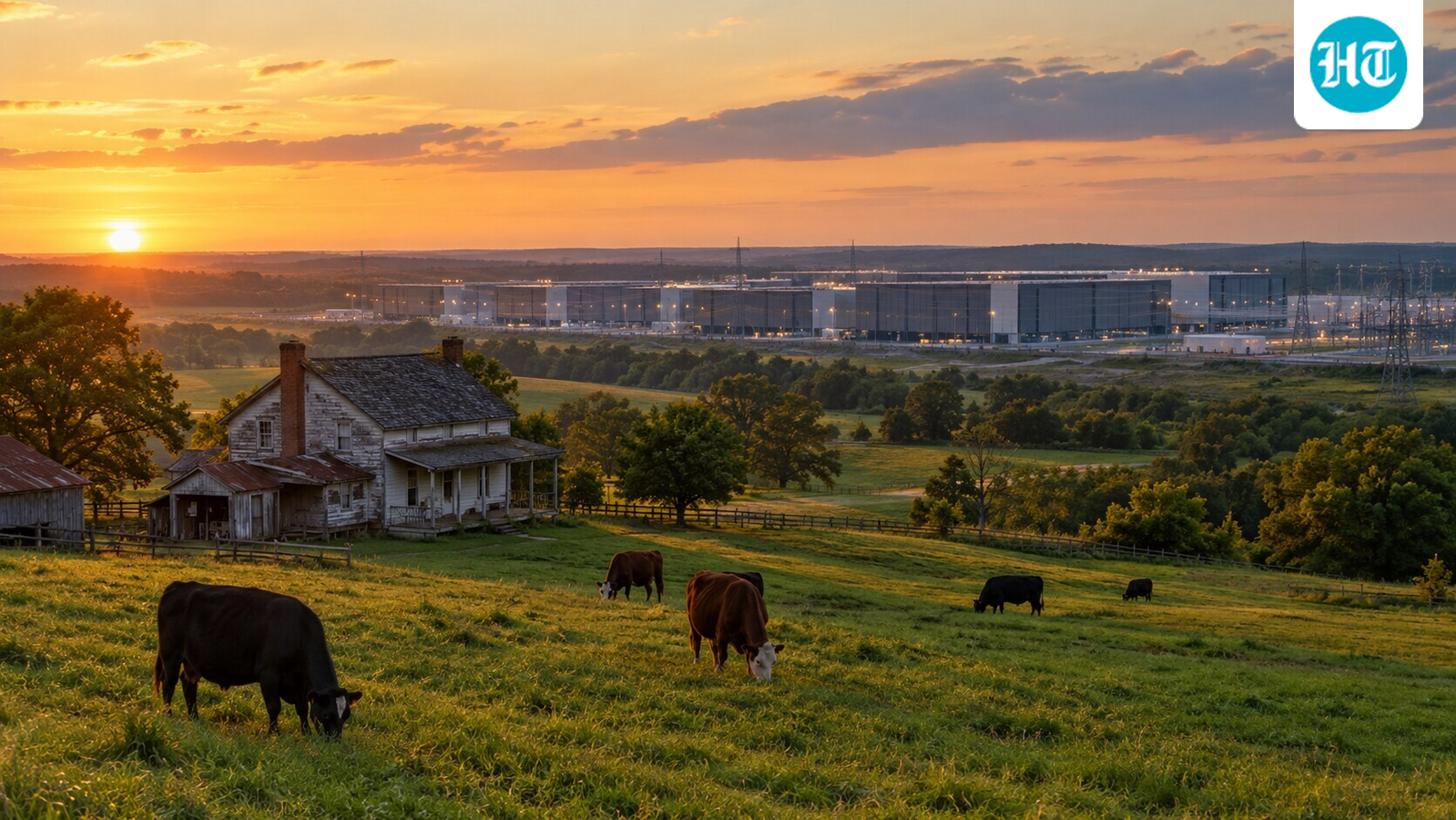
Would you turn down $26 million? A mother and daughter in Kentucky did. According to a WXIX/Gray News report, a company wanted their farmland for a data center, and they said no. The decision comes as AI demand continues to grow. The 2024 United States Data Center Energy Usage Report from Lawrence Berkeley National Laboratory found that data centers consumed approximately 4.4% of total U.S. electricity use in 2023.
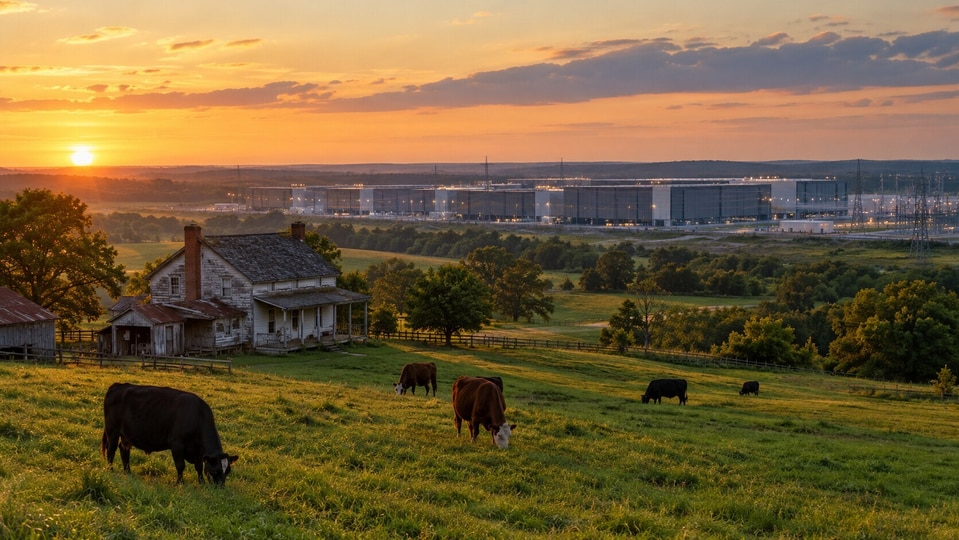
Two women, 1,200 acres, and one huge offer
Ida Huddleston and her daughter, Delsia Bare, belong to a family that owns roughly 1,200 acres of farmland in Mason County, Ky. The family has farmed the land for generations and raises cattle sold across the region. Bare was approached in April 2025 by an unnamed company described as a Fortune 100 firm, according to the report. It offered $26 million for part of the farm to build a massive data center campus just outside the city limits of Maysville.
The family said no. Bare told People magazine that she briefly signed a contract to sell, partly out of fear of eminent domain and pressure from developers who would not identify themselves, before she and her mother pulled out. The family told NBC News that it signed a purchase contract with the county’s industrial development authority and later asked for a legal release after learning from neighbors that the land would be used for a data center.
Huddleston said she feels her job is to keep the land until she is done with it and then pass it on to the next generation. She also said her late husband built her home and she intends to die in it. Bare and her mother told the reporters that no amount of money changes that. For the family, the farm was never a price tag.
Not everyone views the project in the same way. The report quotes Maysville City Manager Matt Wallingford as saying the data center would recycle water in a closed-loop system to reduce contamination risk. He also said its solid waste would be no greater than that from a Kroger or another existing factory. The land, he added, would be valuable to the local industrial authority with or without this data center.
Why data centers want so much land
A data center is a big building full of computers. These facilities run apps, fuel AI tools, and store files. They require lots of land and a steady supply of electricity. The Berkeley Lab report was published in December 2024 and was called for by the Energy Act of 2020. It shows how quickly the need is growing. U.S. data centers consumed around 176 terawatt-hours of electricity in 2023, up from around 58 terawatt-hours in 2014. The report also projects data centers could consume between 6.7% and 12% of all U.S. electricity by 2028. Those are estimates, so the actual number could be different.
The same pattern shows up around the world. Data centers used about 415 terawatt-hours in 2024, or around 1.5% of the world’s electricity, according to the International Energy Agency’s Energy and AI report. The agency forecasts that figure will more than double to around 945 terawatt-hours (TWh) by 2030. It says AI is the biggest growth driver. In the United States, data centers could be responsible for nearly half of the growth in electricity demand through 2030, it says. Data centers contribute over 20% of demand growth in advanced economies overall. The agency also notes that these forecasts are subject to real uncertainty.
The fight is not over
As of March 2026, the family planned to keep fighting the data center. The report calls the push for data center land a fight that could alter the future of farmland throughout Kentucky. Since then, the Mason County Fiscal Court voted on May 22, 2026, to rezone 28 properties totaling 2,080 acres for rural industrial use, according to Data Center Dynamics, and in October 2026 it voted unanimously to approve a resolution moving ahead with a hyperscale data center, contracting with Meta, WKYT reported. Some landowners may want to sell, others want to protect their farms, and neither choice is simple.
For young readers, this story is a reminder that AI is not just software. It runs on actual buildings, actual land, and actual power lines. This family had made a clear decision. Whether you agree with them or not, their story raises a fair question about what we are willing to trade for the technology we use every day.