
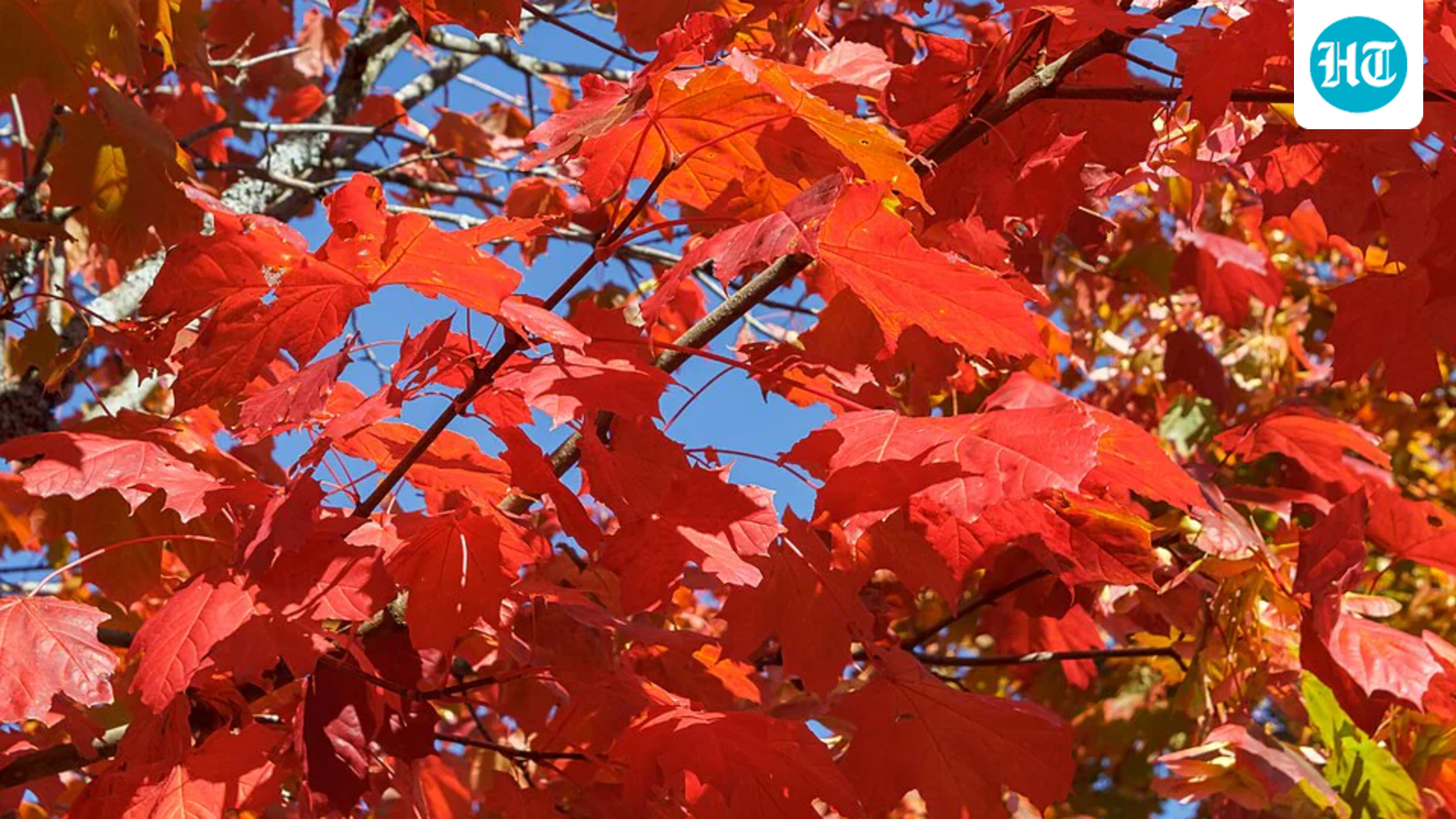
You have probably walked down a leafy street without giving a second thought to who planted the trees. On 16th Street in Washington, D.C., the answer is a city remembering the people it lost in World War I. The Association of the Oldest Inhabitants of the District of Columbia notes the city planted the first of 507 Norway maples there on May 30, 1920, as a memorial to its war dead. Each tree was dedicated to a local war casualty. The idea was simple and kind. But a century later, those trees have moved on to a surprising second act.

A street lined with a makeshift memorial
The first dedication was on Memorial Day, and several people in the crowd were veterans. The same document says that Assistant Secretary of War Benedict Crowell and D.C. Commissioner Louis Brownlow spoke, the Marine Corps Band played, and a Navy chaplain offered prayers. The American Legion planted the trees along the stretch from Allison Street to Alaska Avenue. Beside each tree was a small concrete post with a copper plaque, each bearing the name of a casualty of the war from D.C. In early 1922, another 23 trees and markers were added between Varnum and Allison streets for those who were omitted earlier, bringing the total to 530.
Honoring everyone, then fading from memory
The text also points out that the memorial was one of a kind at that time. It arrived at the height of segregation, but it treated all names the same regardless of race or gender. In the years that came, Memorial Day would bring flags and poppies to decorate the trees and the markers. But over time, the memorial faded from public memory. Trees either withered away or were taken down for street renovation, and the plaques disappeared.
The association’s records show that only four original plaques are known to survive. One still mounted on its concrete post sits in the office of the chair of the D.C. Council. Researchers found seven concrete bases along the street, and none of these have their plaques. On Memorial Day, May 30, 2022, the association dedicated an interpretive sign at 16th Street and Alaska Avenue that tells the story of the memorial.
When a memorial tree becomes a problem
Norway maple is a non-native tree, and it now also grows in nearby Rock Creek Park. The National Park Service explains in its guide to the park’s forests that one community there, called the Basic Mesic Hardwood Forest, sometimes includes Norway maple. The agency describes the species as an aggressive invader and lists the tree among the invasive plants that threaten that forest. Plants on the list also include English ivy and garlic mustard. Invasive plants can degrade animal habitat and compete with native plants for soil nutrients, sunlight, and pollinators. According to the guide, the fertile soils that allow native plants to flourish also attract invaders. It just means that the same attributes that make a forest lush can also make it a target.
How to spot it and what you can do
The Norway maple resembles the sugar maple, except that its leaves are broad and have milky sap. The undersides of its yellow leaves in the fall show dark brown veins. Park staff monitor and protect natural communities from invasive plants. The agency urges visitors to alert them of any invasive signs along the trail. Visitors can also help by staying on paths and keeping their pets leashed. At home, it suggests planting native plants in your yard, as many invasive plants often started out as popular landscaping choices.
The people who planted the maples on 16th Street wanted to immortalize and remember the lost, and that purpose still deserves respect. The simple lesson is that the story of a tree doesn’t end on the day it is planted and that the land around it can end up changing too.