
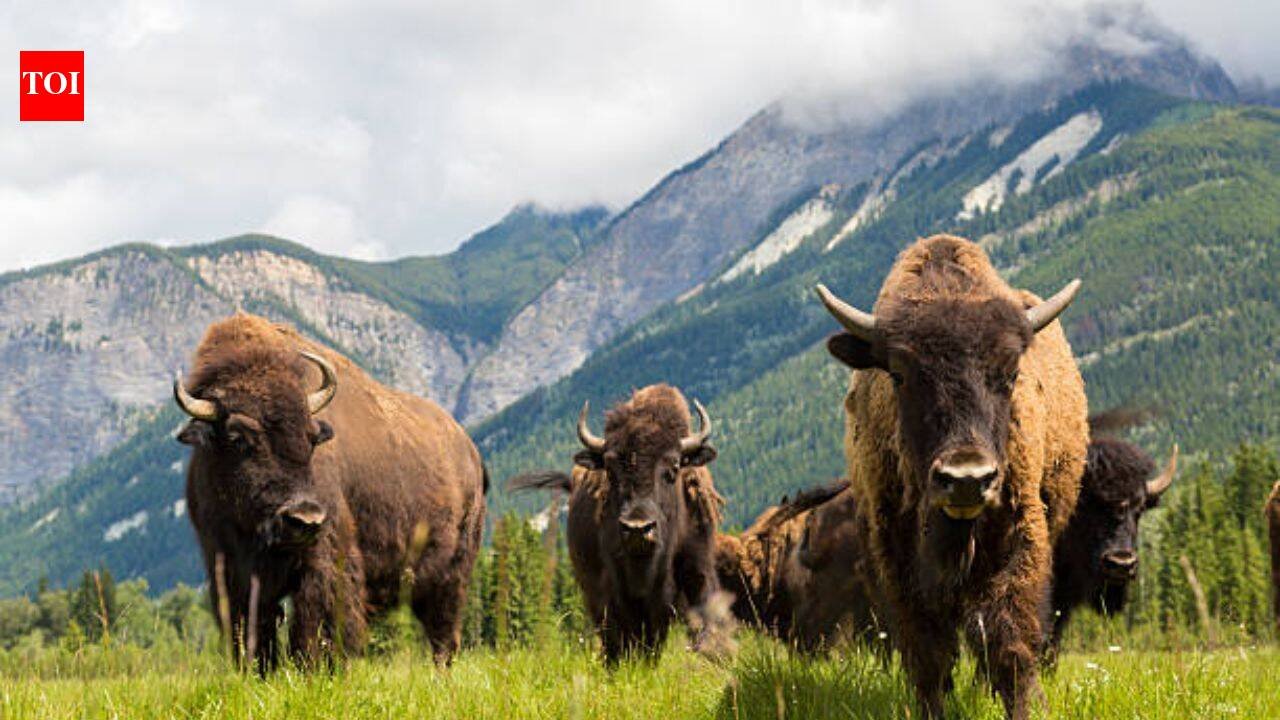
After being absent from the grounds for approximately 160 years, the American bison has made a grand comeback to the landscapes of Coahuila, Mexico. According to a report by AS, the reintroduction of dozens of bison in part of the Chihuahuan Desert is positively impacting the surrounding ecosystem in numerous ways, said the body that is the driving force behind the initiative. The effort, spearheaded by the Fundación Pro Cuatro Ciénegas, represents far more than a symbolic gesture; it is a calculated strategy to heal a devastated ecosystem.In 2025, nearly 50 bison were brought to Cuatrociénegas, a UNESCO-recognized nature reserve in Mexico’s Coahuila state. Renowned for its gypsum dunes and its bright-blue pools of water, the 400,000-hectare habitat is home to several hundred plant and animal species – including multiple flora and fauna that are “critically vulnerable or endangered”, UNESCO warns.
A fundamental species
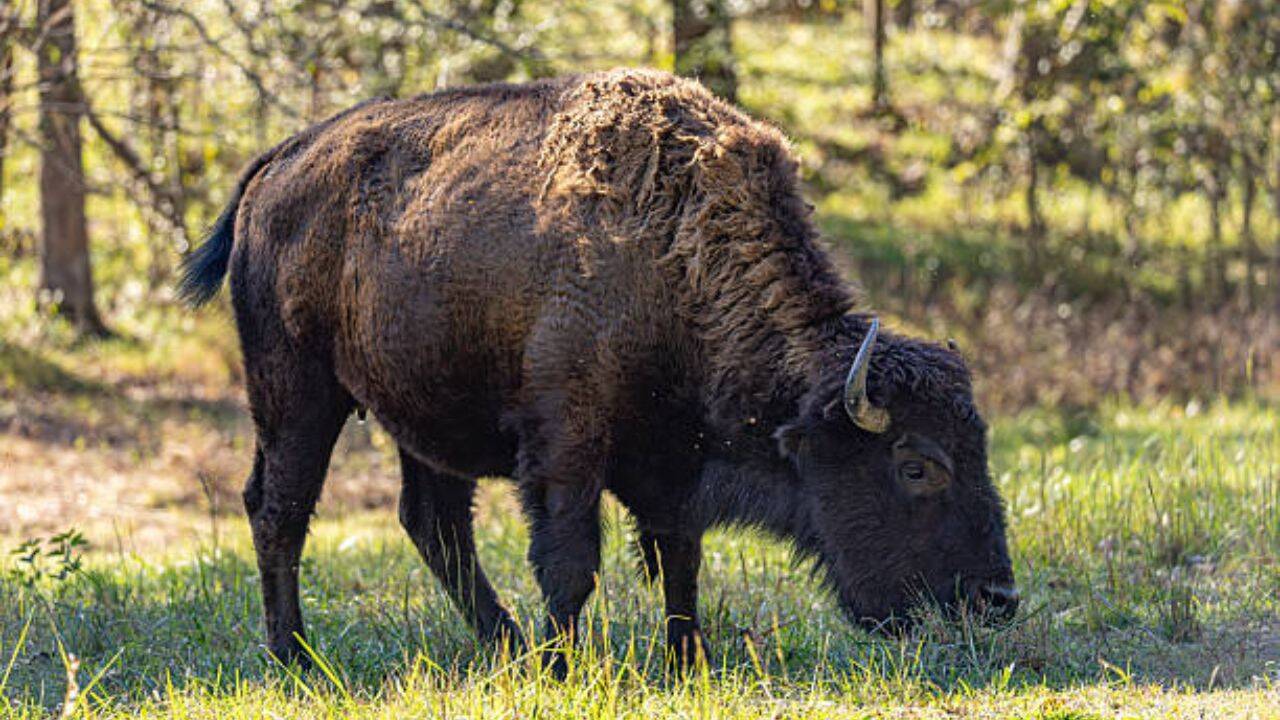
In Mexico, American bison lived in the states of Sonora, Chihuahua, Coahuila, Nuevo León, and Durango
The bison’s introduction to the protected area run by the foundation is helping to “reactivate the dynamics and the health of an ecosystem,” said Gerardo Ruiz Smith, the Fundación’s director. “It offers you so much hope,” he told the Mexican media outlet Vanguardia, to see the impact of “simply bringing back a fundamental species that was there before and should be there”.The American bison is the largest land mammal on the continent and was present in the plains of Canada, the United States, and Mexico. In Mexico, American bison lived in the states of Sonora, Chihuahua, Coahuila, Nuevo León, and Durango. The bison’s original disappearance from the Coahuilan desert was the immediate result of human impact in the late 19th and 20th centuries. A combination of excessive hunting, agricultural expansion, cattle ranching and habitat loss conspired to erase the keystone species from the region. Their absence not only left a void in the animal kingdom but also in the ecological fabric, disrupting natural processes that had evolved over millennia.
Back to base
Not just bison
The reintroduction of bison to Coahuila is part of a larger movement in Mexico to restore key species to their native habitats. Across the country, similar projects are working to heal ecosystems by bringing back animals that have disappeared.For instance, the endangered Mexican wolf is being carefully released into the forests of the Sierra Madre Occidental to restore its role as a top predator. In the Sonoran Desert, the rare Sonoran pronghorn has been brought back from the brink through captive breeding and release programs in the El Pinacate reserve.Meanwhile, in the rainforests of the Yucatán Peninsula and Veracruz, the vibrant scarlet macaw has made a dramatic return, where it now helps regenerate the forest by dispersing seeds. Like the bison in the desert, each of these species plays a unique and critical part in maintaining the health and balance of their environment.