
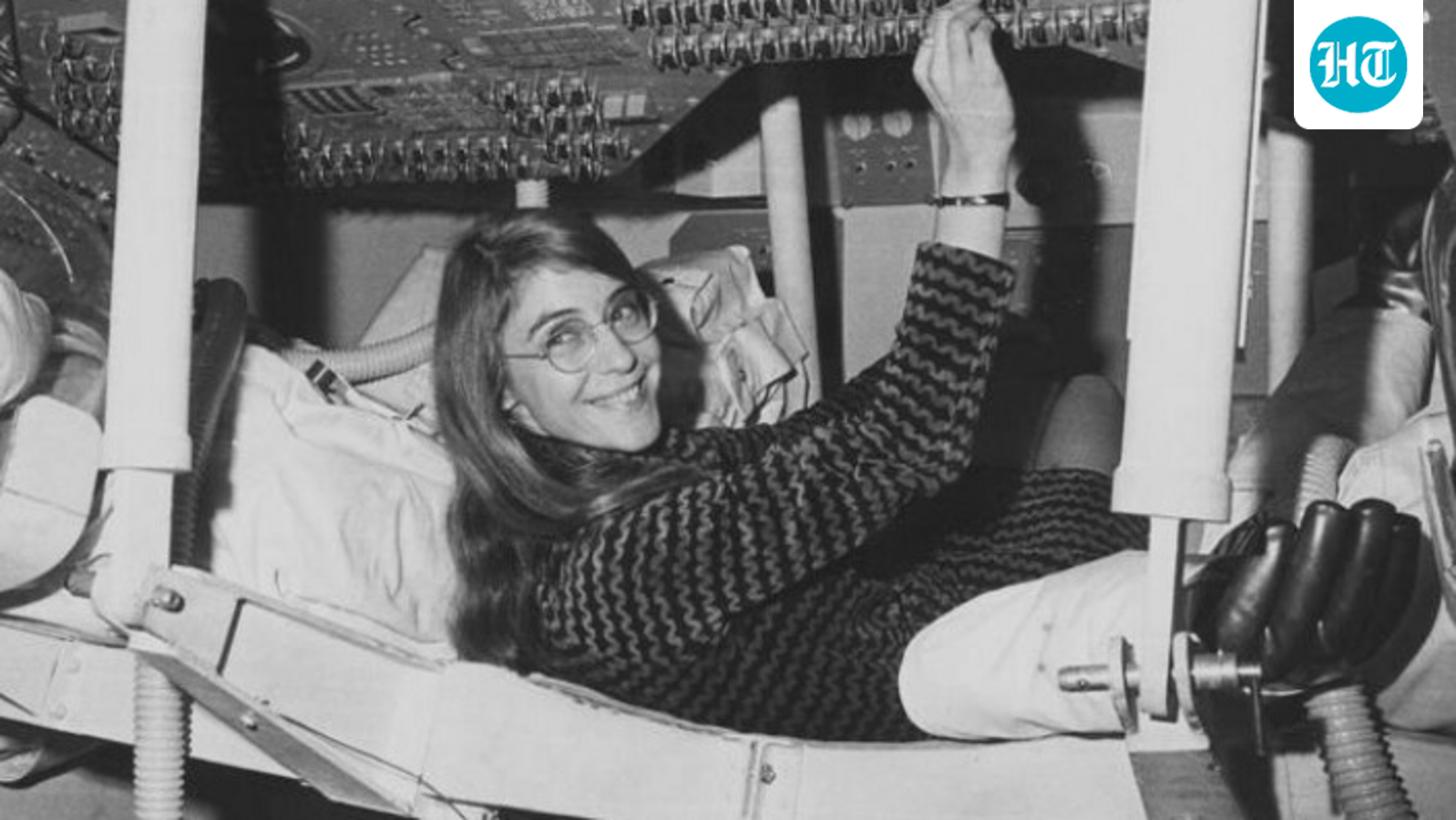
Margaret Hamilton, the pioneering computer scientist who led software development for NASA’s Apollo program and helped build the technology that took humans to the moon, has died at the age of 90.
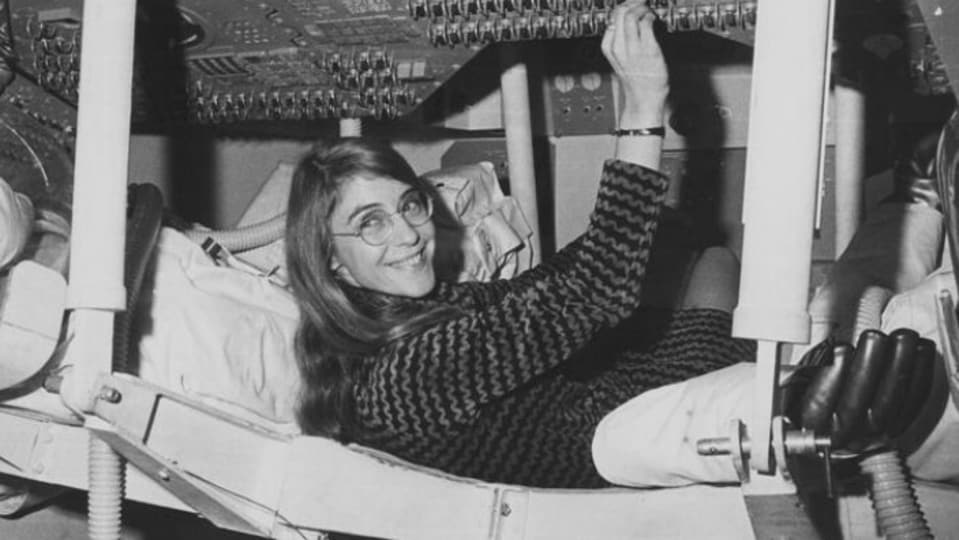
Hamilton died on September 30, MIT said in an obituary published on October 7. During more than two decades at the Massachusetts Institute of Technologyshe helped establish software engineering as a dedicated discipline and led the team responsible for the onboard flight software used during Apollo missions.
MIT described Hamilton as a “profoundly influential computer scientist” whose work extended far beyond the Apollo program. She authored more than 130 publications and later became a successful entrepreneur and CEO.
How Margaret Hamilton helped Apollo reach the moon
Hamilton joined MIT’s Instrumentation Laboratory in 1965 after seeing an advertisement seeking programmers to develop software to “send man to the moon.” The laboratory had won NASA’s contract to build the onboard flight software for the Apollo program.
She initially worked on software for uncrewed Apollo missions before moving into a leadership role on the software for crewed missions. By 1968, she was assistant director in charge of the Command and Service Module team, with more than 400 people working on Apollo software.
One of her major contributions was the development of software designed to anticipate and handle errors.
That approach became particularly important during Apollo 11 in July 1969. Just before the lunar module Eagle was due to land, the onboard computer generated a 1202 alarm, indicating that the computer was overloaded.
Hamilton’s team had developed priority-driven software that could shut down unnecessary background tasks and give priority to mission-critical operations. The system allowed the computer to continue handling the essential tasks, and the Apollo 11 landing proceeded.
MIT said the software helped make it possible for astronauts to land safely on the lunar surface.
Hamilton had earlier demonstrated the importance of anticipating errors after an incident involving her daughter, Lauren, accidentally activating a program on an Apollo simulator. Hamilton proposed safeguards after the incident, but her initial recommendation was rejected. A similar error occurred during Apollo 8, after which her proposed changes were incorporated into the program.
Tributes pour in for software pioneer
Olivier de Weck, the Apollo Program Professor and interim head of MIT’s Department of Aeronautics and Astronautics, said Hamilton was a pioneer at a time when software engineering was still in its infancy.
“To say Margaret Hamilton was a pioneer — to say she was ahead of her time — would be a dramatic understatement,” de Weck said, according to MIT.
He credited Hamilton with contributing fundamentally to Apollo’s success while also highlighting her later career as an entrepreneur, advocate and mentor.
Jerry M. Wohletz, president and CEO of Draper, also paid tribute to Hamilton’s role in developing Apollo’s onboard flight software.
“Margaret left an indelible mark on Draper, and we will be forever grateful,” Wohletz said, according to MIT.
Hamilton remained closely associated with the development of software engineering as a recognized discipline. She later founded Higher Order Software in 1976 and Hamilton Technologies a decade later, continuing her work on reliability, error prevention and systems engineering.
Her achievements included the NASA Exceptional Space Act Award, the Computer History Museum Fellow Award and induction into the National Aviation Hall of Fame. In 2016, she received the Presidential Medal of Freedom from President Barack Obama.
Her Apollo software later became part of computing history in another way: the code was released in its entirety on GitHub in 2015. Hamilton was also honored as an official LEGO minifigure in 2017.
Hamilton is survived by her daughter Lauren Hamilton, son-in-law Richard Selesnick, two grandsons, four great-grandchildren and her siblings John, David and Kathryn. MIT said a memorial service will take place in CambridgeMassachusetts, in the spring.