
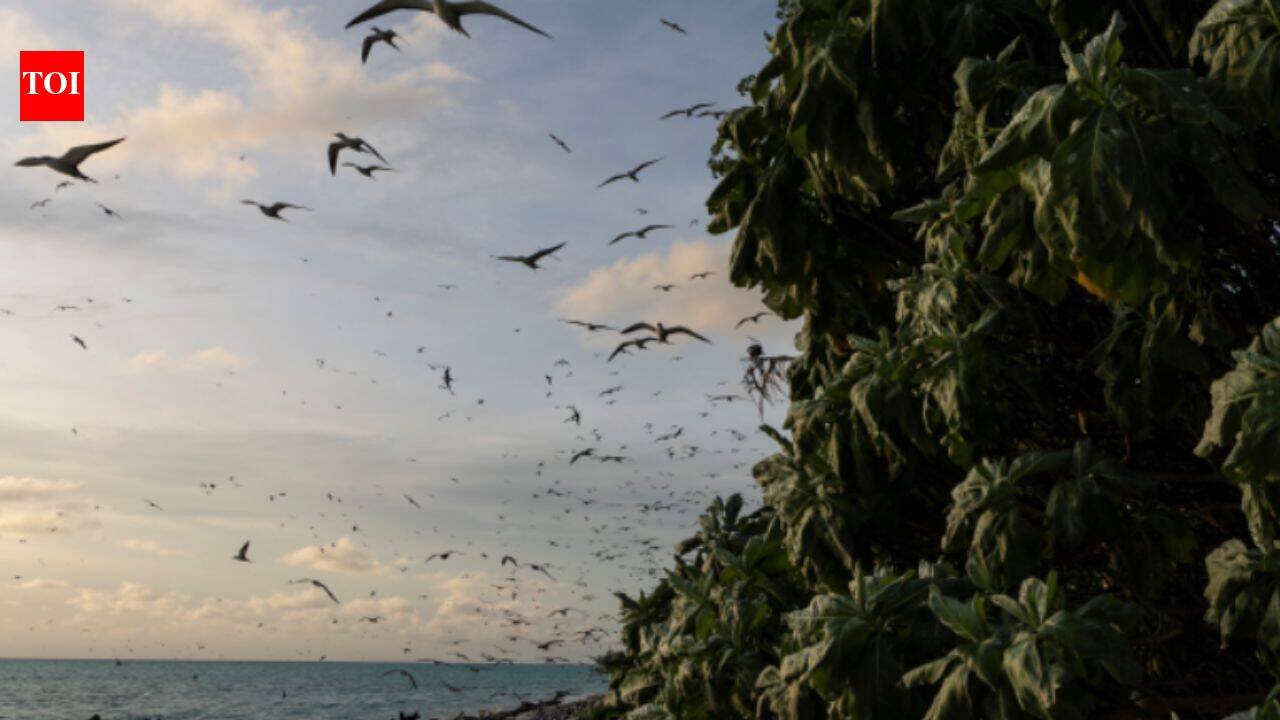
The return of seabirds to a small island in Palau has brought an unexpected benefit. Just one year after invasive rats were removed from Ulong Island, researchers have found that nearby coral reefs are also beginning to recover.The study is the first experimental research to show that when seabirds return after invasive rodents are removed, they help move nutrients from land into the sea. The process is already supporting reef ecosystems and increasing fish populations much sooner than expected.According to Island Conservation, the research was carried out on Ulong Island in the Republic of Palau, an island nation in Western Pacific Ocean, as part of the Island-Ocean Connection Challenge (IOCC). Scientists from Island Conservation and the Scripps Institution of Oceanography at the University of California San Diego monitored the island before and after the rat removal.They tracked changes in seabirds, nutrients, reef fish and other marine life while comparing the results with a nearby island, Ngeruktabel, where invasive rats remain.The findings suggest that restoring island ecosystems can also improve the health of nearby oceans and shows how closely land and sea are connected.
First signs of recovery
Researchers say seeing measurable changes in such a short time is surprising. “Seeing measurable ecological change just one year after restoration is extraordinary. It demonstrates the power of local leadership and science working together to heal island ecosystems from ridge to reef,” said Coral Wolf, Conservation Impact Program Manager at Island Conservation.
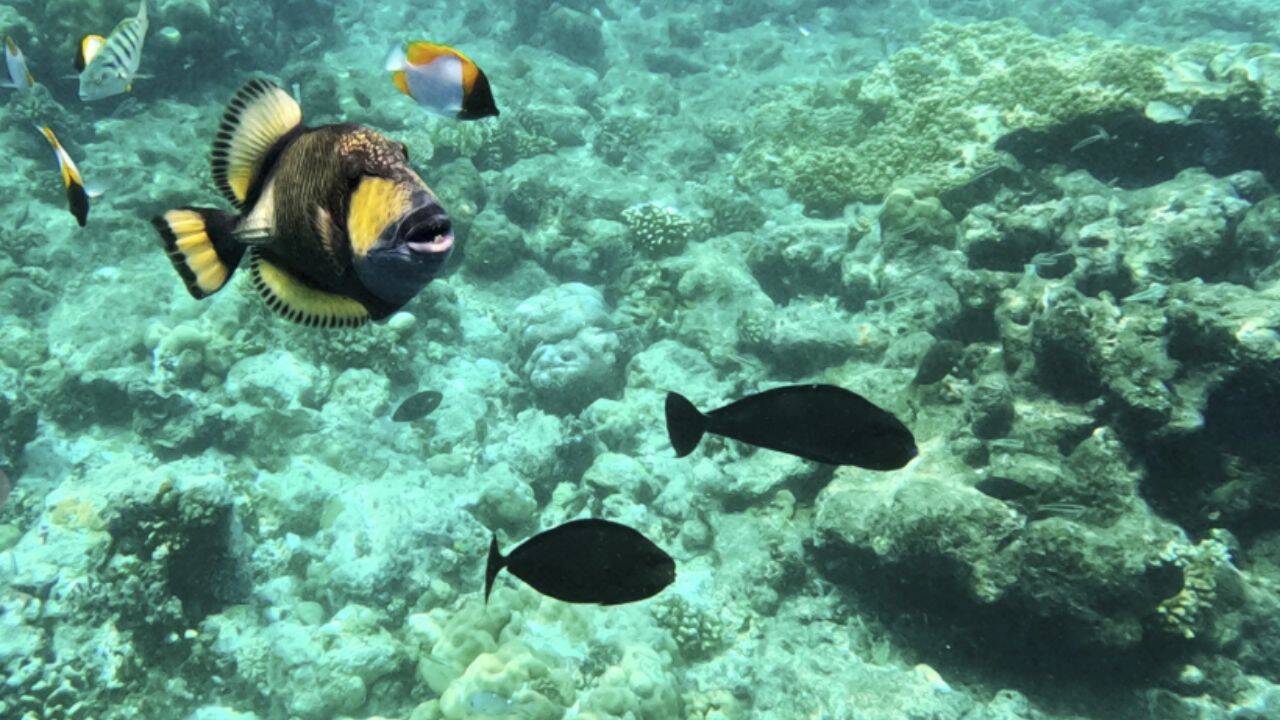
The process is supporting reef ecosystems and increasing fish populations.
One of the clearest signs of recovery was the return of birds. The endangered Palau Ground Dove was detected more often after the restoration work. Seabird activity also increased massively. Calls of Bridled Terns rose by 286%, while Brown Noddy and White Tern calls increased by around 50% compared with the nearby control island, where rats had not been removed.Scientists say seabirds play an important role because they feed in the ocean but nest on land. Their droppings, known as guano, carry nutrients from the sea onto islands. Rain then washes some of these nutrients into nearby coastal waters, helping support marine life.
Nutrients and fish populations
The researchers also found changes in the island’s soil and surrounding waters. Decline in nitrogen signatures happened more slowly on Ulong than at other sites. According to the researchers, this matches what would be expected if seabird guano was beginning to add nutrients back into the soil and nearby marine environment.Fish populations also responded earlier than expected. There has been significant increase in fish biomass around Ulong, suggesting that the returning nutrients were already supporting reef productivity.One monitoring site showed particularly strong changes. Researchers recorded increases in several seabird species, an approximately 80% rise in leaf nitrogen and a 183% increase in total fish biomass.
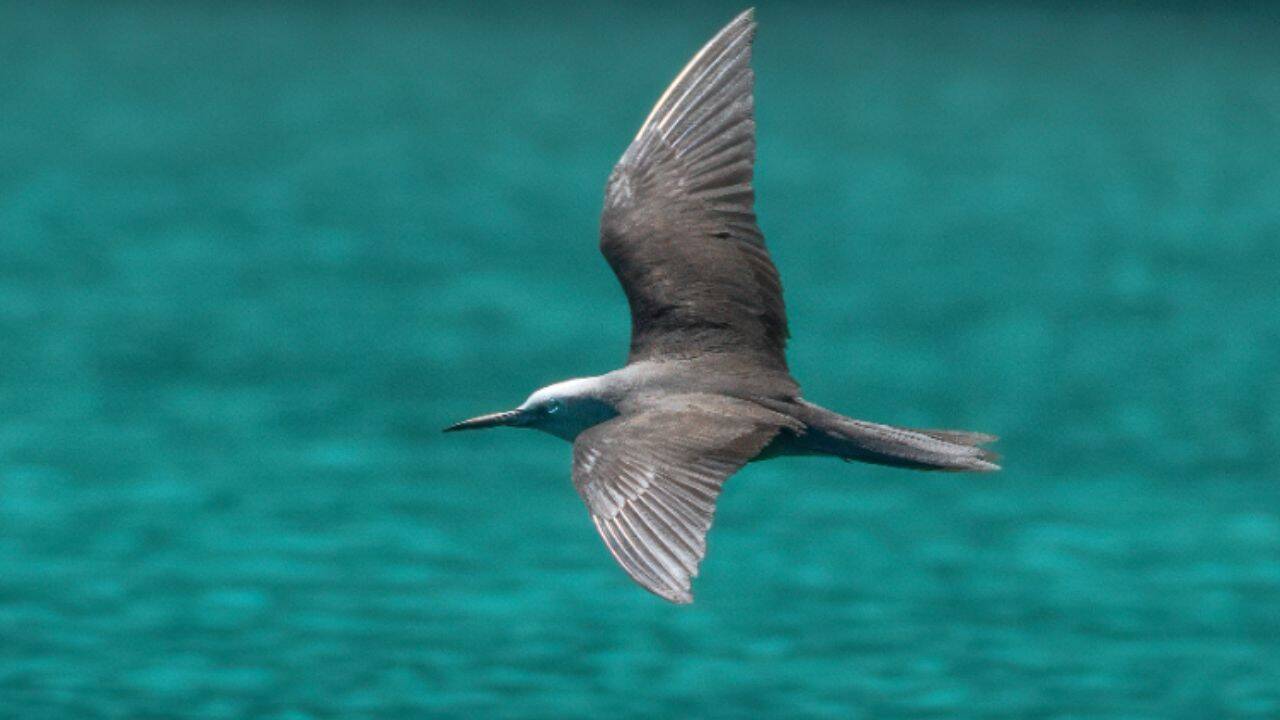
A seabird flying over the coast of Palau (Greg Metro photography)
Although these changes were seen at only one monitoring site, scientists say the speed of recovery was much faster than they had predicted.Nathaniel Hanna Holloway, a marine ecologist at the Scripps Institution of Oceanography, says the findings provide direct evidence of how restoring islands can benefit nearby reefs.“These early signals from Ulong show how quickly ecosystems can rebound when stressors are removed. For the first time in Palau, we’re seeing measurable evidence of seabird-driven nutrient flow returning to the land and sea. It’s powerful proof that terrestrial action spills over into benefits for surrounding reef communities, which people rely on for their livelihoods,” Holloway said.
Removing rats
Invasive rats are one of the biggest threats to island ecosystems around the world. They prey on bird eggs and chicks, preventing many seabird populations from recovering.When seabird numbers fall, fewer nutrients are carried from the ocean onto islands. This weakens not only land ecosystems but can also reduce the nutrients reaching nearby coastal waters.Scientists say this connection between land restoration and marine recovery had previously been suggested by observational studies. However, the Ulong project is the first experimental study to demonstrate the process using before-and-after monitoring alongside a comparison island.