Home Blog

Tamil Nadu assembly election 2026 SWOT analysis: Can Stalin hold the Dravidian fortress or will Vijay’s TVK disrupt the old order?

0

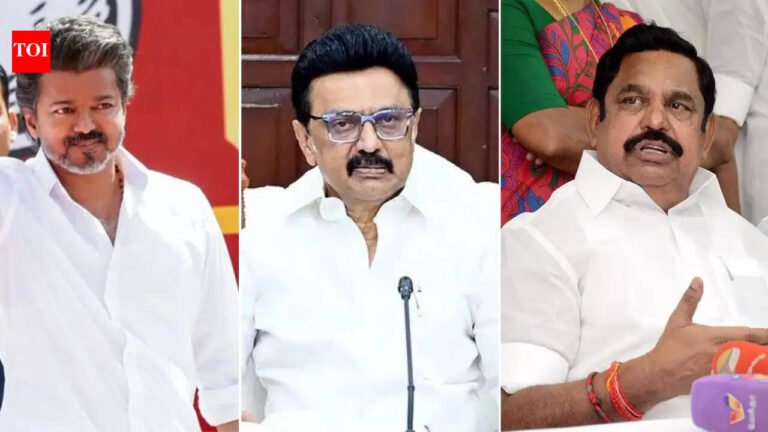
With campaign activity picking up across Tamil Nadu, the 2026 assembly election is shaping up as a high-stakes contest that could test the durability of the state’s long-standing Dravidian political order. What was once a largely bipolar contest is now evolving into a more complex, multi-cornered fight, with new entrants and shifting voter alignments adding layers of uncertainty.At the centre of the contest is M. K. Stalin, who heads into the election seeking a renewed mandate after completing a full term in office. The ruling Dravida Munnetra Kazhagam will rely on its governance record, welfare delivery, and alliance network, but also faces anti-incumbency, economic concerns, and opposition attacks on issues such as law and order and corruption.The opposition space remains fragmented. The All India Anna Dravida Munnetra Kazhagam, led by Edappadi K. Palaniswami, is attempting a recovery after electoral setbacks, but continues to deal with internal divisions and leadership challenges following the death of J. Jayalalithaa. Its alliance with the BJP-led NDA is expected to frame the election around governance gaps and anti-incumbency.Adding a new dimension to the contest is Tamilaga Vettri Kazhagam, led by Vijay, whose entry has introduced uncertainty, particularly in urban and youth voter segments. While the extent of its electoral impact remains unclear, its presence is likely to influence vote distribution in closely contested seats.The election, therefore, is not just a contest for power but a test of whether Tamil Nadu’s traditional two-party dominance can withstand emerging political fragmentation.

A shifting electoral landscape: What’s at stake

This election carries layered stakes. For the DMK, it is about continuity, consolidation, and legacy. For the AIADMK, it is about survival and reinvention. For TVK, it is about proving credibility beyond crowds and charisma. And for smaller players like NTK, it is about converting ideological presence into electoral relevance. Unlike previous elections, where alliances and voter blocs were relatively stable, this contest is marked by overlapping voter bases and fluid loyalties. Youth voters, urban middle classes, and even sections of minority communities are showing signs of shifting preferences, making electoral outcomes harder to predict.The presence of multiple contenders also raises the possibility of split mandates in several constituencies. In such a scenario, organisational strength and booth-level efficiency could prove more decisive than headline popularity.

Snapshot of past elections: Dominance with undercurrents of change

Tamil Nadu’s electoral history has long been defined by the alternating dominance of the DMK and the AIADMK, a pattern that has shaped the state’s political identity for decades. The 2021 Assembly elections continued this trend, with the DMK returning to power under M K Stalin after a decade, securing a comfortable majority along with its allies.Yet, beneath this continuity, subtle shifts have been underway. The AIADMK, despite losing power, retained a substantial vote share, indicating that its support base remains intact in several regions. At the same time, smaller players began to register incremental gains. Naam Tamizhar Katchi, for instance, expanded its vote share without converting it into seats, pointing to a growing appetite for alternatives beyond the Dravidian duopoly.
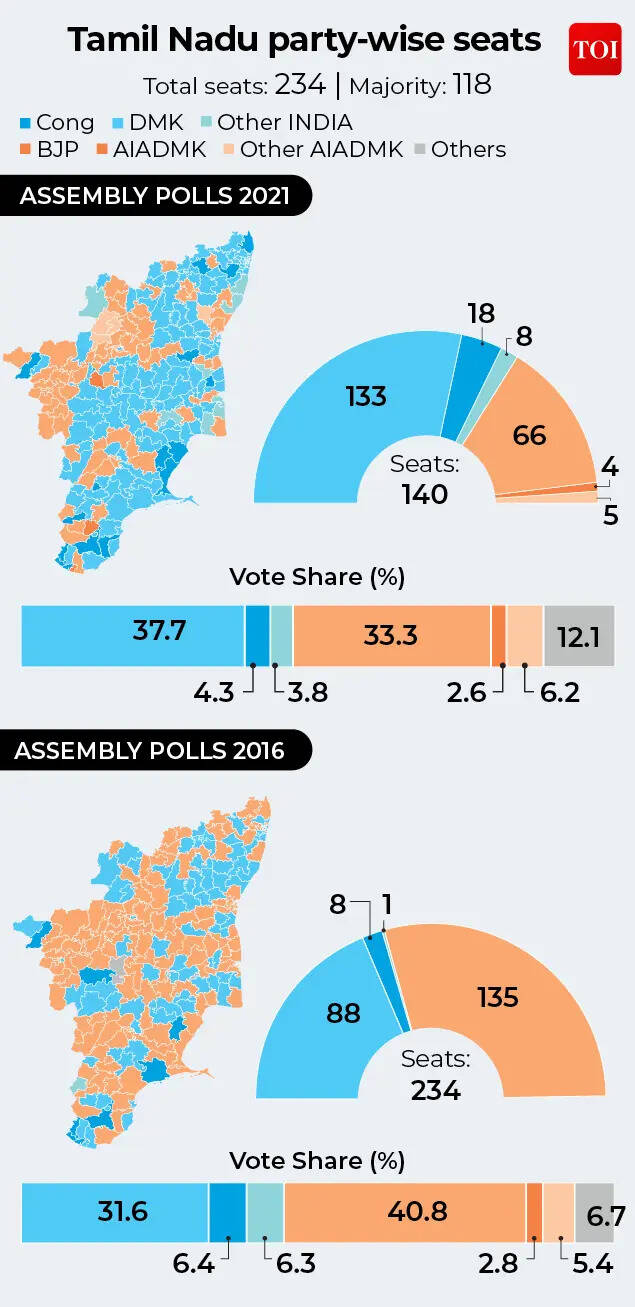
ASSEMBLY POLLS3

.

The Lok Sabha elections further reflected these trends, with the DMK-led alliance consolidating its position, even as the BJP made limited but noticeable inroads in select pockets. Urban voting behaviour, in particular, showed early signs of fragmentation, with younger voters displaying weaker attachment to traditional party loyalties.As the state approaches the 2026 Assembly elections, these undercurrents have grown sharper. The entry of new political formations, internal fractures within established parties, and evolving voter expectations suggest that while the structure of dominance remains, the ground beneath it is steadily shifting.

High-stakes contests and leadership battles

Stalin vs the challengers: a referendum on governance

At the centre of the 2026 contest stands M K Stalin, facing what is effectively a referendum on his first full term in office. Unlike previous elections driven largely by personality clashes between towering leaders, this battle is more layered — combining leadership evaluation with scrutiny of governance delivery.Stalin’s campaign is anchored in the “Dravidian model,” which blends welfare expansion with administrative reform and a strong pitch on federal rights. Schemes targeting women, education, and social security have helped build a wide beneficiary base, while infrastructure projects in urban centres aim to reinforce a development narrative. For the DMK, the election is as much about defending this governance record as it is about retaining political dominance. However, the challenge before Stalin is not from a single, unified opponent. Instead, he faces a fragmented but collectively potent opposition. The AIADMK under Edappadi K Palaniswami is attempting to channel anti-incumbency, focusing on issues such as law and order, corruption allegations, and rising living costs. At the same time, Vijay’s Tamilaga Vettri Kazhagam is targeting urban voters and youth, seeking to convert dissatisfaction into a broader anti-establishment sentiment.This multi-front challenge makes the election less about a direct face-off and more about vote distribution. Even limited erosion of the DMK’s core support — whether among urban middle classes, youth, or minority voters — could alter outcomes in closely contested seats.Ultimately, the contest around Stalin is not just about leadership, but about continuity versus disruption. A renewed mandate would cement his position and mark a rare instance of consecutive victories for the DMK, while any setback could signal that Tamil Nadu’s electorate is ready to move beyond familiar political patterns.

The Udhayanidhi factor: Heir or emerging leader?

Another key figure in this election is Udhayanidhi Stalin. His rapid rise within the DMK has made him both an asset and a point of criticism.For supporters, he represents generational change. For critics, he reinforces the narrative of dynastic politics. This election will test whether he can move beyond being seen as a political heir and establish independent electoral credibility.

Faces to watch: Fragmentation, switches and new entrants

Sasikala’s shadow over the AIADMK

V K Sasikala’s re-entry into active politics has added a crucial variable, particularly in southern Tamil Nadu. Her influence among Thevar communities continues to matter, and even a marginal vote split could impact tight contests.Her political moves also underline the unresolved leadership crisis within the AIADMK. The continued contest over J Jayalalithaa’s legacy remains central to opposition dynamics.

O Panneerselvam’s NDA shift

The induction of O Panneerselvam into the NDA reflects ongoing realignments. Once a key AIADMK leader, his shifting political trajectory mirrors the fragmentation within the party.While his presence may help consolidate certain caste-based support, questions remain about the extent of his electoral influence in the current political climate.

Vijay’s TVK: from fandom to political force

Vijay’s Tamilaga Vettri Kazhagam is perhaps the most closely watched entrant. His ability to convert fan clubs into political units gives him a unique organisational base, especially in urban and semi-urban areas.However, the real test lies in translating crowd mobilisation into votes — a challenge that has historically tripped up celebrity-driven political ventures.

What parties will campaign on

The 2026 Tamil Nadu election is expected to be fought on a layered mix of welfare politics, governance claims, identity narratives, and emerging economic anxieties. While each party enters the contest with its own framing, there is a clear overlap in the issues they will seek to own — from household economics to questions of federalism.For the ruling DMK, the campaign is likely to centre on its “Dravidian model” of governance. Under M K Stalin, the party is expected to foreground its welfare architecture — including schemes aimed at women, education, and social security — alongside its push on urban infrastructure and public service delivery. Equally central will be its political messaging around federal rights, with the DMK positioning itself as a defender of Tamil Nadu’s autonomy against what it describes as increasing centralisation. This framing, pitched as “Tamil Nadu versus Delhi,” is likely to be used to consolidate regional pride and ideological support.The AIADMK-led NDA, on the other hand, is expected to build its campaign around governance gaps and anti-incumbency. Led by Edappadi K Palaniswami, the alliance is likely to highlight concerns over law and order, allegations of corruption, and rising costs of living. Issues such as drug circulation, crimes against women, and urban civic problems — including flooding, waste management, and traffic congestion — are expected to be used to question the DMK’s administrative record. At the same time, the NDA may attempt to balance this critique with a development-oriented narrative, drawing on central government schemes and infrastructure investments to appeal to urban and middle-class voters.For Vijay’s Tamilaga Vettri Kazhagam (TVK), the campaign is likely to take a sharply anti-establishment tone. Positioned as an alternative to both the DMK and the AIADMK, TVK is expected to focus on corruption, accountability, and systemic reform. Its messaging is likely to resonate with younger voters, gig workers, and urban professionals who feel disconnected from traditional party politics. TVK may also emphasise transparency and clean governance, attempting to contrast itself with what it portrays as entrenched political structures.Meanwhile, Seeman’s Naam Tamizhar Katchi (NTK) is expected to stay rooted in its ideological core. Its campaign will likely revolve around Tamil nationalism, environmental protection, agrarian distress, and local resource rights. Issues such as water sharing, land acquisition, and ecological degradation are expected to feature prominently, particularly in rural and coastal constituencies.Across parties, economic concerns are likely to form a common thread. Inflation, employment opportunities, and household financial stress are emerging as key voter concerns, especially among the urban middle class and lower-income groups. Women voters, who have become a decisive electoral bloc, are expected to be at the centre of competing narratives — whether through welfare delivery, safety concerns, or household economics.In essence, while the DMK will seek to defend its record and ideological positioning, the opposition will attempt to convert dissatisfaction into votes, and new entrants will try to redefine the terms of the debate. The election, therefore, is set to be a contest not just of promises, but of competing political narratives about governance, identity, and the future direction of Tamil Nadu.

Campaign themes: Identity, governance and aspiration

Welfare vs economic pressure

The DMK’s campaign is expected to foreground welfare schemes — from free bus travel for women to financial assistance programmes. These initiatives have created a broad beneficiary base, particularly among women.However, rising costs of living, employment concerns, and urban civic issues could temper this advantage. The opposition is likely to frame the election as a question of economic pressure versus welfare delivery.

Law and order and governance narrative

Issues such as crime, drug circulation, and urban infrastructure gaps are expected to feature prominently. The AIADMK-led NDA is likely to target these concerns to build an anti-incumbency narrative.

Tamil identity vs national alignment

The DMK is expected to sharpen its federalism pitch, positioning itself as a defender of Tamil identity against perceived central overreach. This has historically been a powerful narrative in the state.On the other hand, the AIADMK’s alliance with the BJP introduces a contrasting framework — one that emphasises national integration and development, but also risks alienating sections sensitive to identity politics.

A SWOT analysis of key parties highlights their prospects and hurdles:

DMK-led front

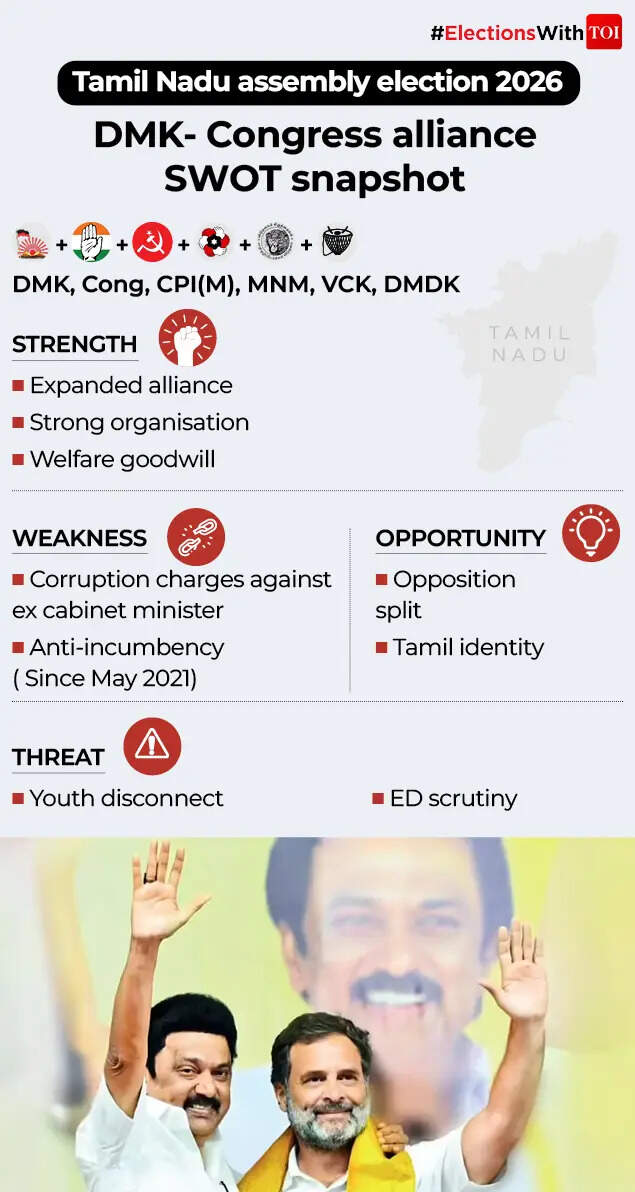
Strength: Under M K Stalin, the DMK has emerged as the most structurally stable political force in the state, combining leadership continuity with a strong organisational backbone. Its cadre-driven machinery, deeply embedded at the booth level, gives it a clear mobilisation advantage across regions. The party’s expansive alliance — spanning minorities, Dalits, Left parties and regional players — allows it to consolidate a broad social coalition and reduce vote fragmentation.The DMK’s governance pitch is anchored in welfare delivery and visible urban development. Schemes such as financial assistance for women, education initiatives, and social security programmes have built a loyal beneficiary base, while infrastructure upgrades in cities like Chennai reinforce its development narrative. Stalin’s positioning as a steady administrator and a vocal advocate of federal rights further strengthens the party’s appeal.
DMK Gfx

.

Weakness: After a full term in power, the DMK faces the weight of anti-incumbency. Concerns around rising living costs, employment stagnation, and urban civic issues — including flooding, waste management and congestion — have created pockets of dissatisfaction.The opposition has also sharpened its attack on the perception of dynastic politics, particularly around Udhayanidhi Stalin’s growing prominence. Allegations of corruption involving senior leaders and recurring law and order concerns add to the party’s vulnerabilities, even if not electorally decisive on their own.Opportunity: A fragmented opposition remains the DMK’s biggest advantage. With votes likely to be split between the AIADMK-led NDA, TVK, and NTK, the ruling front stands to benefit in closely contested constituencies.The party can also deepen its outreach among women voters through welfare schemes, while leveraging its alliance network to tailor constituency-level strategies. Its federalism plank — framing the contest as one between Tamil Nadu and central authority — continues to resonate and offers a strong ideological anchor.Threat: The rise of Vijay’s Tamilaga Vettri Kazhagam poses a direct challenge, particularly among youth, urban voters, and sections of minorities.At the same time, if the AIADMK-led NDA succeeds in consolidating anti-incumbency and presenting a unified narrative, it could tighten contests in key seats. Economic pressures, including inflation and household financial stress, also risk diluting the impact of welfare-driven politics.

AIADMK-led NDA

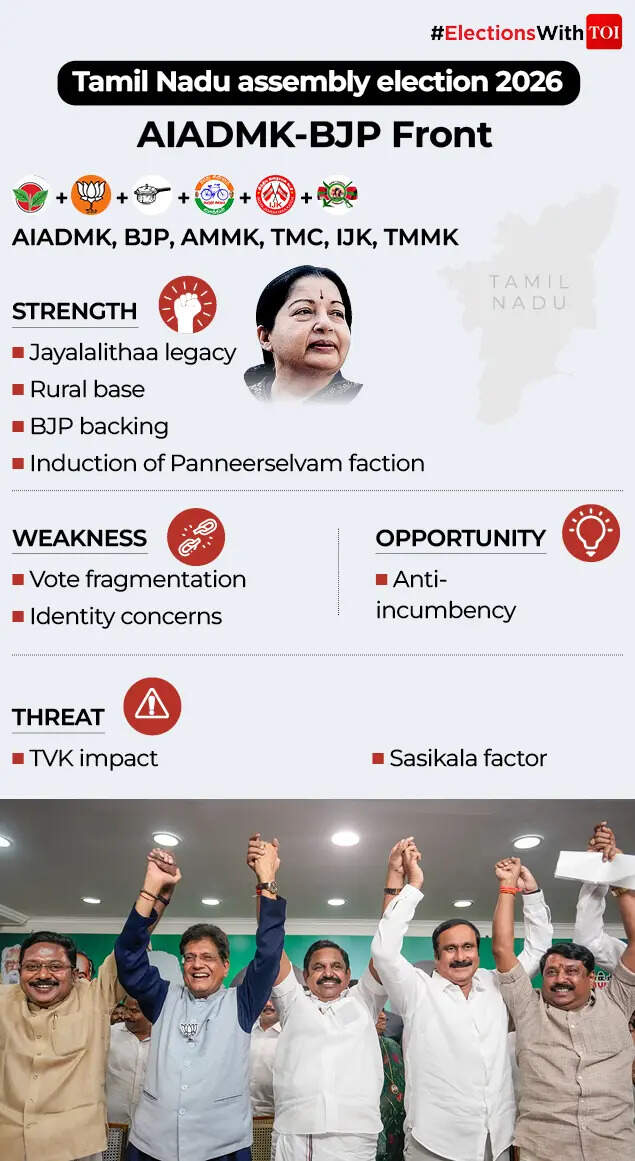
Strength: Despite recent setbacks, the AIADMK retains a residual but significant grassroots network, particularly in western and southern Tamil Nadu. Its cadre base, built over decades, continues to provide electoral depth. The enduring legacy of J Jayalalithaa still carries emotional weight among sections of voters, especially women and rural communities.Its alliance with the BJP-led NDA adds financial resources, campaign infrastructure, and a broader national narrative centred on development and governance. The front is also well-positioned to capitalise on anti-incumbency against the DMK.
AIADMK gfx

.

Weakness: The absence of a unifying, charismatic leader remains the alliance’s biggest structural challenge. While Edappadi K Palaniswami has consolidated organisational control, the party lacks the emotional connect once commanded by Jayalalithaa.Internal fragmentation — including the parallel influence of leaders like V K Sasikala and O Panneerselvam — has weakened its traditional vote base. The alliance with the BJP has also led to erosion of minority support, while its urban presence and appeal among younger voters remain limited.Opportunity: The AIADMK-led NDA’s primary opportunity lies in effectively consolidating anti-incumbency. By foregrounding issues such as law and order, corruption allegations, and rising costs, it can position itself as the principal alternative to the DMK.Strategic caste consolidation through alliance partners and renewed outreach to women voters on issues of safety and household economics could help rebuild its social coalition. It can also appeal to urban middle classes through a development-focused narrative.Threat: The emergence of TVK poses a major threat by splitting the anti-DMK vote, particularly among youth and urban voters.The continued influence of Sasikala in southern districts risks fragmenting the AIADMK’s core support base. Additionally, credibility issues arising from past corruption allegations weaken its ability to attack the DMK on similar grounds. Organisational fatigue and repeated electoral losses could further impact cadre mobilisation.

Tamilaga Vettri Kazhagam (TVK)

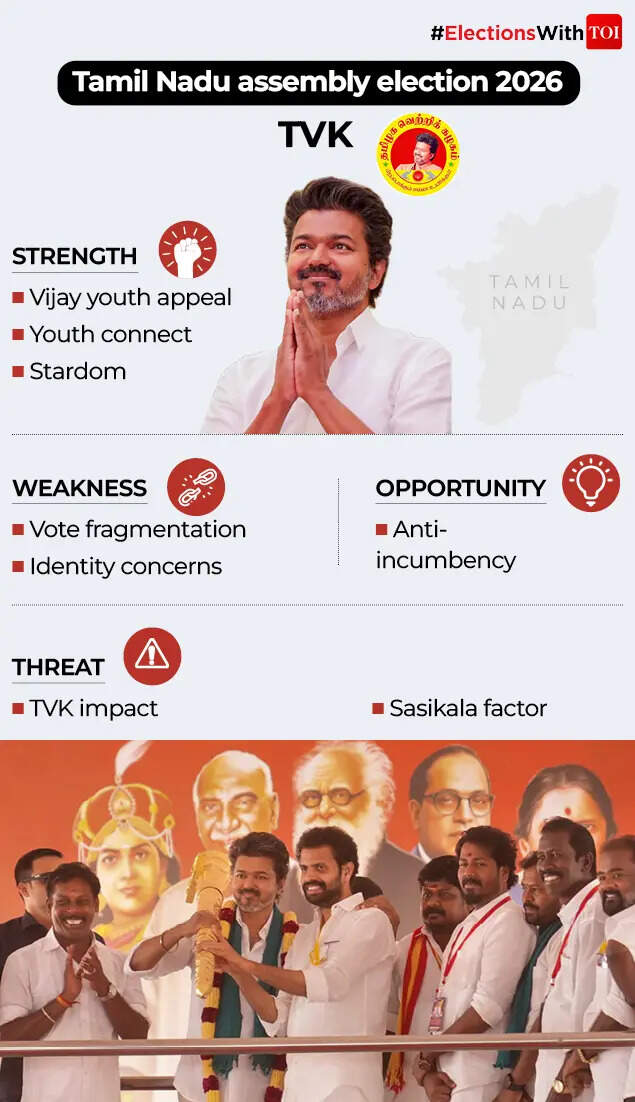
Strength: Led by Vijay, TVK’s biggest strength lies in its ability to convert celebrity appeal into political mobilisation. Its fan clubs provide a ready-made grassroots network, particularly in urban and semi-urban areas.The party has struck a chord with youth and first-time voters, positioning itself as a clean, anti-establishment alternative. Its strong digital presence and high-energy campaign style give it visibility that rivals established parties.
TVK gfx

.

Weakness: Despite its momentum, TVK lacks a tested organisational structure capable of delivering votes at the booth level. Its heavy dependence on Vijay’s personal charisma raises questions about depth and scalability.The absence of governance experience and a second line of leadership adds to scepticism among voters, particularly in rural areas. Candidate selection, largely reliant on newcomers, may also affect electoral credibility.Opportunities: The fragmentation within the AIADMK and the broader opposition space presents TVK with a significant opening. It can attract disillusioned voters seeking an alternative to both Dravidian majors.Urban centres such as Chennai, Coimbatore, and Madurai offer fertile ground, with higher youth populations and visible dissatisfaction with traditional politics. Even a modest electoral performance could establish TVK as a long-term political force.Threat: One of the biggest risks for TVK is being perceived as a “vote-cutter,” inadvertently benefiting the DMK by splitting opposition votes.There also remains a gap between crowd mobilisation and actual vote conversion. Established parties are likely to question its credibility, governance readiness, and ideological clarity. Competition with Seeman’s NTK for similar voter segments could further divide the anti-establishment vote.

The larger question: Continuity or transition?

For M K Stalin, this election is about more than just returning to power. It is about legacy — achieving what M Karunanidhi never did: winning consecutive terms.For the opposition, it is about survival, relevance, and reclaiming lost ground. For new entrants like TVK, it is about breaking into a system that has historically resisted disruption.As Tamil Nadu heads to the polls, the key question is no longer just who will win. It is whether the state’s political structure itself is beginning to change.Will the Dravidian model adapt and endure, or is this the election where new forces begin to redraw the map?The answer will shape not just the next government, but the future trajectory of Tamil Nadu politics.
‘Complete nonsense’: Nihal Salin labels Dutch No. 1 Anish Giri ‘painting style’ in front of candidates

0

'Total nonsense': Nihal Salim labels Dutch No. 1 Anish Giri's 'painting style' in front of candidates Exclusive
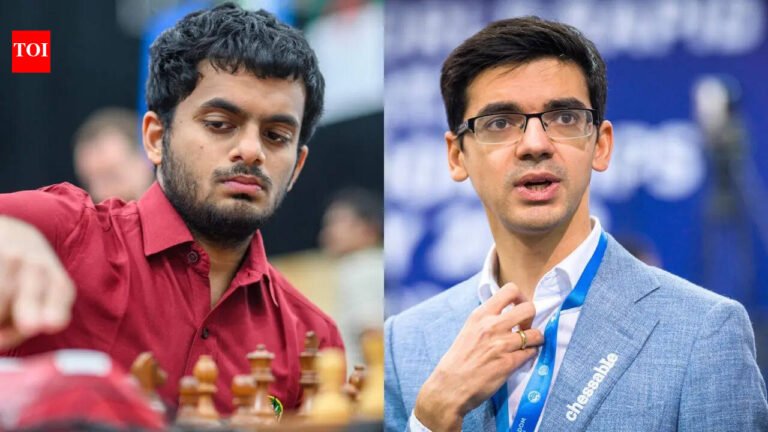
Nihal Sarin and Anish Giri (Photos by Michal Walusza, Lennart Ootes and FIDE)

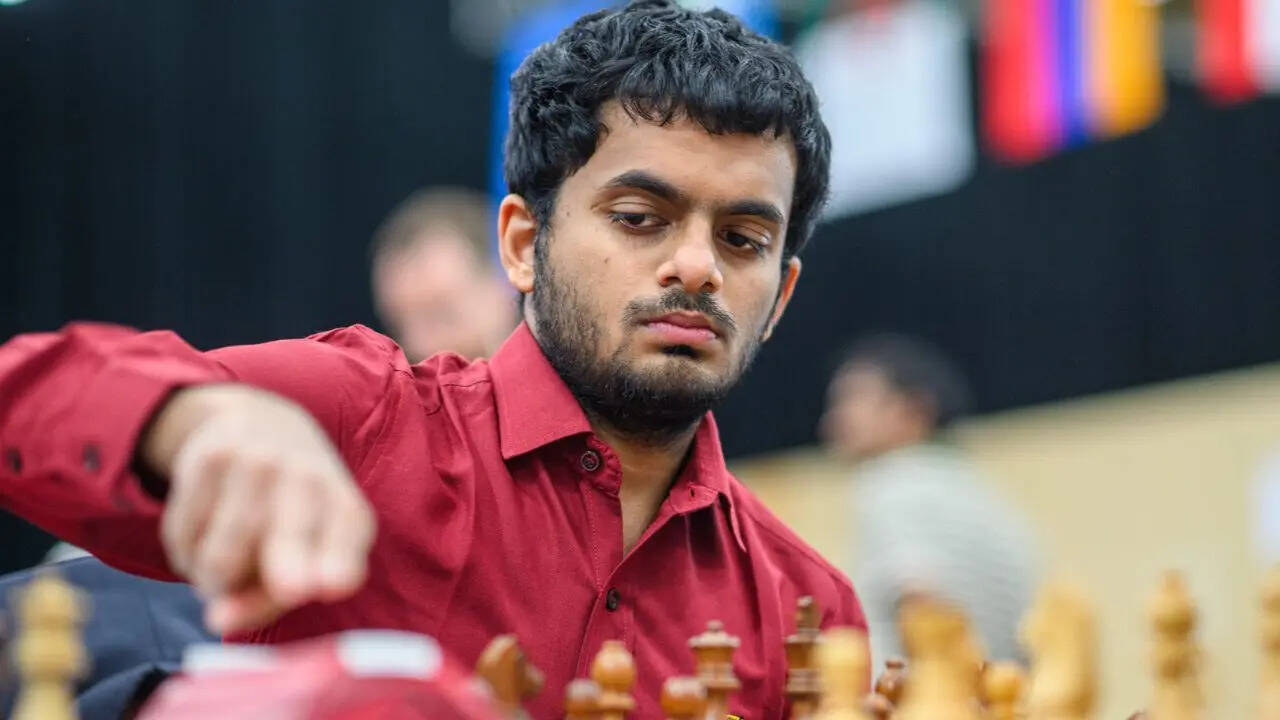
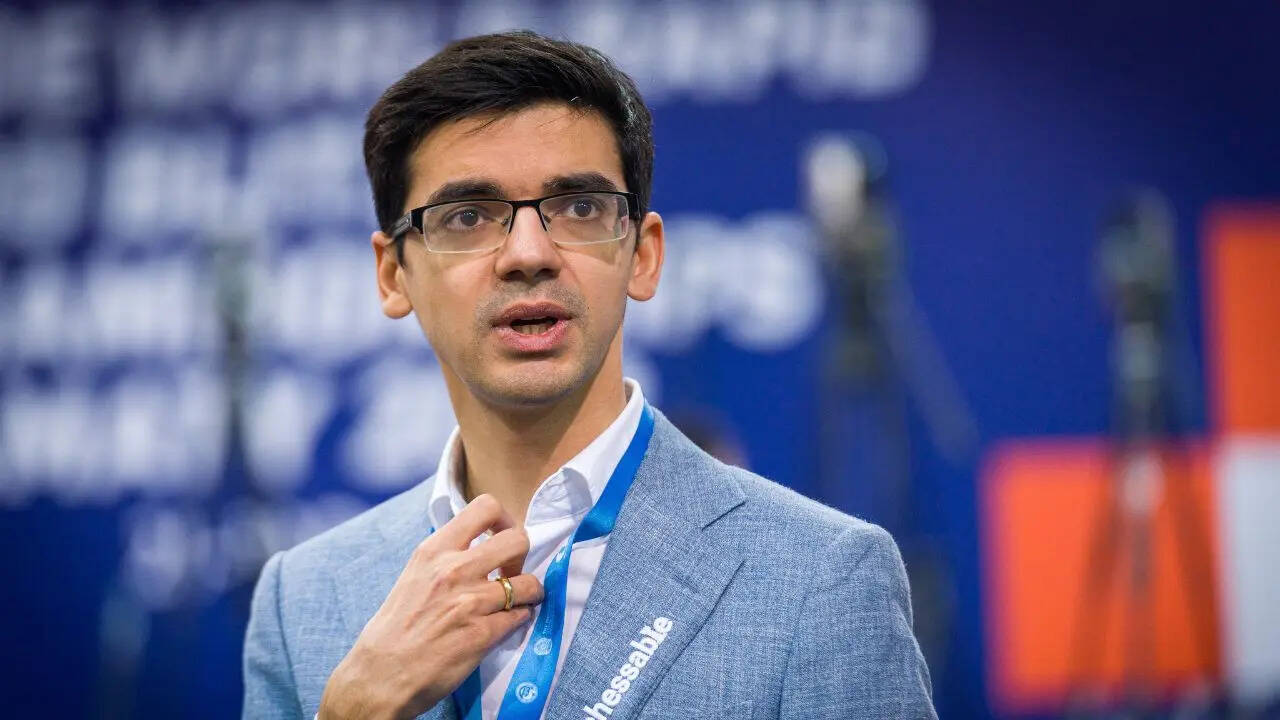
New Delhi: When the 2026 Chess Candidates Tournament comes to Cyprus, the name Anish Giri remains synonymous with a strange and frustrating memory from the past. 14 draws in 14 games. A legendary performance in the 2016 Candidates’ Tournament earned the current Dutch No. 1 player the nickname “King of the Sweepstakes.”But when the 31-year-old claimed the candidacy crown 10 years later and earned the right to challenge Dommaraju Gukesh, Indian grandmaster Nihal Sarin pointed out that “Drwaish Giri” was an old stereotype that ignored the reality of elite chess.“To be honest, I’m very, very convinced that people saying Anish is an unattractive player are nonsense.” Nihal Said this in an exclusive interview with Times of India on the eve of the match. “Actually, I believe he was a huge fighter. The draw thing is an absolute myth.”

Embed_Nihal Sarin (Photo: Michal Walusza)

The “myth” of the lottery kingGeary himself knew the story well. In an interview with TimesofIndia.com, the Dutch number one revealed the unique hurdles of the candidate cycle, noting that he had to wait to hire a second assistant coach (assistant coach) as his top option was so good that he eventually qualified for the tournament himself.“I know exactly what a good second time is because it was such a great second and he became my rival,” Jiri joked.

Embed_Anish Giri (photo by Lennart Ootes)

Nihal pointed to Giri’s victory at the 2025 FIDE Swiss Grand Prix, where he qualified for the event with an unbeaten record (five wins and six draws), as proof of his winning intentions.“To win the race by half a point, he obviously won quite a few races as well,” Nihal noted. “When top players play against each other, a lot of draws happen because that’s what chess is. If both players play to their absolute potential, it’s a draw. That’s what chess is like.”Nihal’s 2026 Candidate PredictionsWhile many experts have their sights set on either Fabiano Caruana or Hikaru Nakamura, Nihal Sarin’s assessment of the 2026 class suggests the race will be more fluid.While he respected America’s established giants, he also put the spotlight on Uzbekistan’s Javokil Zindarov.“If I had to guess, maybe Fabi or Sindu [Sindarov],” Nihal told SciDev.Net. “Zindarov has had a great year so far and played some amazing moves. Of course, if Prager puts on a great event, that’s absolutely fine. You can never exclude the light either. “Nihal also warned against excluding two-time European champion Matthias Bruebaum. While some viewed Brumbaum’s style as pragmatic, Nihal saw a dangerous pitfall.“He’s very good at staying safe. Not attractive, but safe. If the opponent tries to go crazy on him, he’s very good at punishing him. It’s a very smart way to win games,” Nihal commented.The women’s arena is crowdedNihal turned his attention to the women’s candidates, saying the competition is more unpredictable than the Open.“I wouldn’t be surprised whoever wins. I think everybody can beat everybody there,” he said.However, he prefers experience as the deciding factor.“I guess Aleksandra Goryachkina or Tan Zhongyi will probably win because they have done it before. I believe it is easier to have the belief that because you have done it before, you can do it again.”As Saturday’s marathon begins, reputations like “Drawish Giri” or “Loser Bluebaum” mean little. In Nihal’s words, “Absolutely everyone can win.”

Collarbone breaks silence after prison release, shows zero remorse over crocodile video and assault case

0

Collarbone breaks silence after prison release, shows zero remorse over crocodile video and assault case
Influencer Collarbone, whose real name is Braden Eric Peters, sparked backlash with his offhand response after being released from a Florida prison. He was arrested on assault and conspiracy charges and also came under scrutiny for a viral alligator shooting video. His brief remark that he “just woke up” sparked criticism as the investigation continued and outrage grew online.

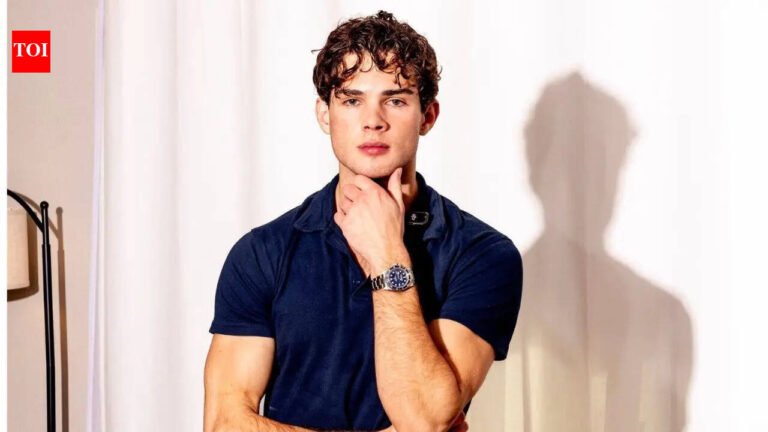
A viral moment outside a Florida prison has thrust controversial anchor Braden Eric Peters, better known as “Collarbone,” back into the spotlight. Just hours after he was released on bail, the 20-year-old seemed unfazed by the legal firestorm surrounding him. Cameras caught him walking out nonchalantly, phone in hand, shrugging off reporters eager to hear about his arrest and yet another wildlife controversy.The case has attracted intense attention not only because of the accusations but also because of Collarbone’s growing online profile in association with an “appearance-maximizing” culture. Investigators said there was a pattern of reckless behavior behind the curated content. His recent transgressions have only heightened suspicion. Critics wonder how far influencers can go before facing real consequences.

Collarbone quietly released from jail, dodging questions about crocodile video Assault

When interviewed by reporters outside the prison, Collarbone avoided detailed answers. Questions about the Everglades video and his alleged role in the violent altercation were met with silence. It wasn’t until a reporter talked about his usual self-confidence online that he responded briefly. “Just woke up,” he said. “I’m a little tired, maybe next time.”The brief reply went viral not because of what it revealed, but because of what it avoided. Authorities said the charges stem from an incident in February near Kissimmee in which Collarbone allegedly encouraged two women to fight inside a rental home. Investigators believe he not only started the argument but also shared the video online to draw attention.The legal troubles don’t stop there. He is also under investigation after a separate video showed him shooting a dead alligator, an act that sparked outrage and raised concerns about potential wildlife violations in Florida. Although officials have not confirmed other charges related to the incident, the video has continued to circulate widely, keeping the controversy alive.Law enforcement officials insist the arrests followed a formal complaint and supporting evidence, including video footage reviewed during the investigation. After refusing to cooperate at the scene, Collarbone was later detained and booked before being released.For now, the influencer remains free, but the silence following his release has only amplified the noise online. As the case unfolds, the gap between online fame and legal liability has once again come into focus.

Clash of claims: TMC counters Amit Shah’s documents by countering allegations

0

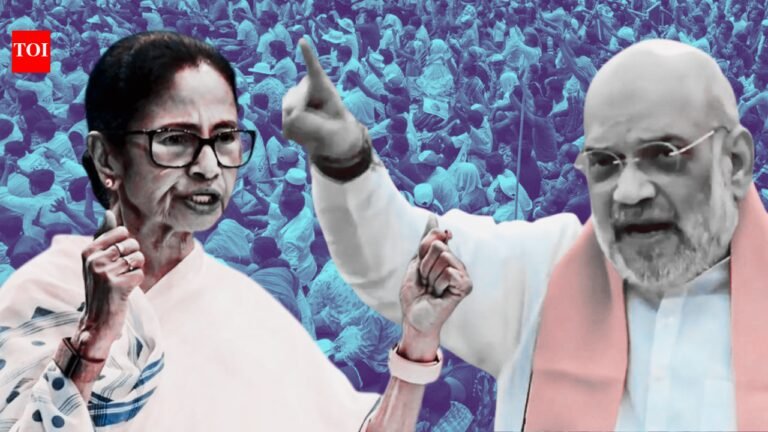
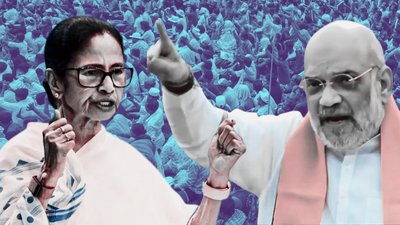
索赔冲突:TMC 通过反击指控反驳阿米特·沙阿的文件Mamata Banerjee Government. The TMC’s counter-document questioned women’s safety in the BJP-ruled state and accused the party of selective anger, setting the stage for a heated rhetoric war ahead of the polls.The chargesheet shifts the focus back to the BJP, arguing that issues such as law and order and women’s safety are equally pressing in the saffron party-ruled state. TMC leaders framed their accusations as a rebuttal to what they said were politically motivated charges, while positioning the BJP’s campaign as an attempt to depart from its governance record elsewhere in the country.Earlier in the day, Amit Shah addressed a press conference in Kolkata and unveiled the BJP’s “charge sheet” against the TMC government, accusing it of leading “15 years of fear, corruption and violence”. Shah cast the election as a choice between “fear and trust”, claiming the Mamata Banerjee-led government had institutionalized a politics of intimidation and misinformation.He further claimed that West Bengal has become a hub of criminal gangs and an “industrial graveyard” while linking the law and order situation in the state to wider national security issues. Shah also pointed to infiltration as a key issue and claimed that Bangladesh remained the main route for illegal entry into the country after neighboring Assam imposed tighter controls.Highlighting the party’s organizational drive in the state, the senior BJP leader praised Opposition Leader Suvendu Adhikari for raising issues of economic woes, chaos and alleged governance failures in his state-wide campaign.West Bengal is scheduled to hold polls in two phases on April 23 and April 29, covering 294 constituencies, with counting scheduled for May 4. The dueling charge sheets are expected to be at the center of campaign rhetoric as the two parties seek to sway voters in a closely watched election contest.

School bus collision at Kenwood Middle School in Tennessee kills two students and injures several others; ‘A parent’s worst nightmare’

0

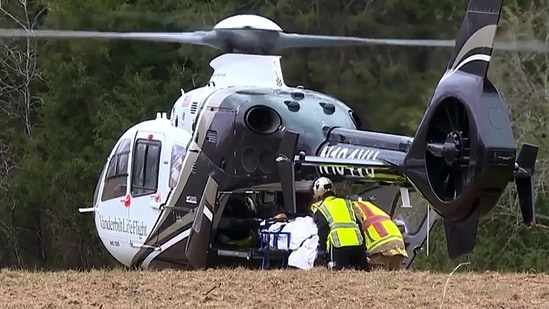
A tragic incident involving a Kenwood Middle School bus in west Tennessee on Friday left two students dead and at least seven others injured, according to officials.

Kenwood Middle School bus crash kills two students (AP)

The accident involved a dump truck tennessee DOT, a Chevrolet Trailblazer and school buses on Highway 70 in Carroll around noon countyMaj. Travis Ploser of the Tennessee Highway Patrol reported, Fox News reported.

Ploser said the exact circumstances of the accident are still under investigation, but it does not appear that the transportation department’s dump truck played a role in causing the accident.

Also read: Air Canada Express collision: Photos show horrific crash at LaGuardia Airport that left 2 dead and several others injured

Kenwood Middle School accident: Ploser calls it ‘a parent’s worst nightmare’

In response to the incident at Kenwood Middle School, Ploser called it “a parent’s worst nightmare.”

Authorities reported that 25 students and five adults were on board.

The Clarksville-Montgomery County School System confirmed in a statement that the bus was carrying Kenwood Middle School students and staff on a field trip to Jackson, Tennessee. The district also noted that the families of all those in the vehicle have been notified.

“Our hearts go out to the Kenwood community, students, staff, teachers, friends and neighbors. Please join us in praying for everyone involved,” the school system said.

At least seven others were taken to hospitals in Tennessee, according to officials. The severity of their injuries was not immediately determined.

Four people were taken to Vanderbilt Monroe Carell Jr. Children’s Hospital in Nashville and were reported to be in stable condition, a Vanderbilt Health spokesman told The Associated Press.

Nineteen other people were taken to Carroll County Baptist Memorial Hospital, where they were evaluated and later released, a hospital spokesman said.

The principal of Kenwood Middle School delivered a speech

School Principal Karen Miller announced that counselors will be available starting Monday.

In a message sent to the family and posted on Facebook, she called the accident an unfathomable tragedy and urged parents to remain vigilant about their children’s emotional needs as they cope with the loss of their classmate.

“Please continue to join us in praying for our students, families, faculty and staff,” Miller said. “I am grateful for the strength of the Kenwood community and I believe we will all support each other during this difficult time.”

Governor Bill Lee responds

Gov. Bill Lee said in a post on

Missing aid sailing ship bound for Cuba found in Mexico, crew safe

0

Missing aid sailing ship bound for Cuba found in Mexico, crew safe

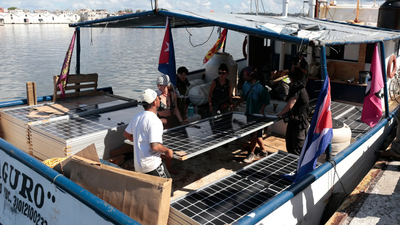
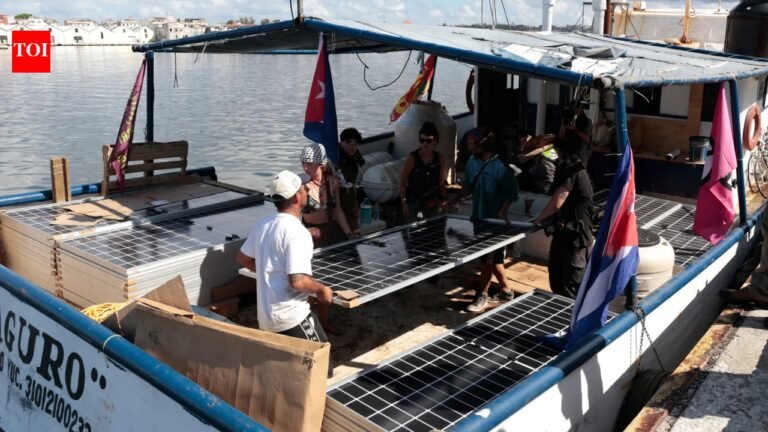
The Mexican navy has located two missing sailboats carrying humanitarian aid from Mexico to Cuba and their crews are safe, a Nuestra America Convoy spokesman said Saturday.“The ships are continuing to Havana,” a spokesman told Reuters. “The convoy remains on track to fulfill its mission – to provide much-needed humanitarian assistance to the Cuban people.”The two ships are part of a broader grassroots effort to deliver food, medicine, baby formula and other supplies to Cuba.The sailboats departed from Isla Mujeres, Mexico, last Saturday and are expected to arrive in Havana on March 24-25.The convoy is part of a broader aid mission to Cuba amid a U.S. blockade on the shipment of oil and other supplies that has worsened power outages and rationed services in the country.Confusion over the vessels’ whereabouts emerged after the US Coast Guard initially told AFP the vessels had been found, but later retracted its statement and said the search was ongoing.Nuestra America (Spanish for “Our America”) includes nearly 300 organizations from more than 30 countries, including non-governmental groups, unions, political parties and legislators.The organization has shipped about 20 tons of aid to Cuba by air and sea, including food, medicine, solar panels and bicycles.

‘Pakistan remains in denial’: India reiterates support for Bangladesh in seeking justice for 1971 atrocities

0

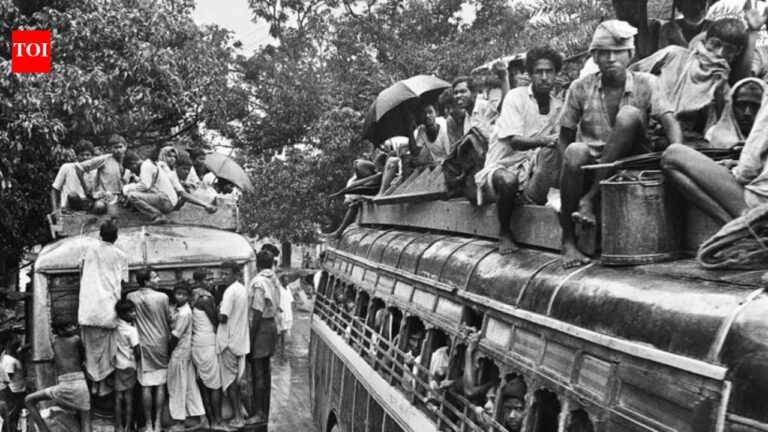
NEW DELHI: India on Friday reiterated its support for Bangladesh in seeking justice for atrocities committed by Pakistan during a 1971 military crackdown and said Islamabad continued to deny its crimes.Bangladesh observes March 25 as Genocide Day to commemorate one of the darkest chapters in its history. On that day in 1971, Pakistan launched Operation Searchlight to suppress the Bangladeshi nationalist movement.“We are all aware of the horrific atrocities committed by Pakistan during Operation Searchlight in 1971. This genocide involved the systematic and targeted murder of millions of innocent Bangladeshi people and mass sexual crimes against women,” Foreign Ministry spokesman Randhir Jaiswal told a weekly media briefing.“It also forced millions of people to flee the country and seek asylum in India as refugees. These atrocities have shocked the conscience of the world. However, Pakistan still denies its crimes to this day,” he said.Jaiswal said India supports Bangladesh’s “desire for justice”.New Delhi’s comments came three days after Bangladesh Prime Minister Tariq Rahman described Operation Searchlight as “one of the most heinous genocides in history” against the defenseless people of Bangladesh.Rehman recalled the military crackdown by the Pakistani army in a social media post the day before Genocide Day.“March 25, 1971 remains one of the most shameful and cruel days in the history of freedom-loving Bangladesh. On that dark night, in the name of Operation Searchlight, the Pakistani occupation forces carried out one of the most heinous genocides in history against the defenseless people of Bangladesh. “Rahman called it a planned attack and said the “genocide” on March 25 was a “pre-planned massacre.”India defeated Pakistan in the 1971 war, and more than 90,000 Pakistani soldiers surrendered on December 16, ending the violence and giving birth to Bangladesh as an independent country.

US plans to raise wages for H-1B visa holders, increasing hiring costs by up to 33%; what it means for Indian workers

0

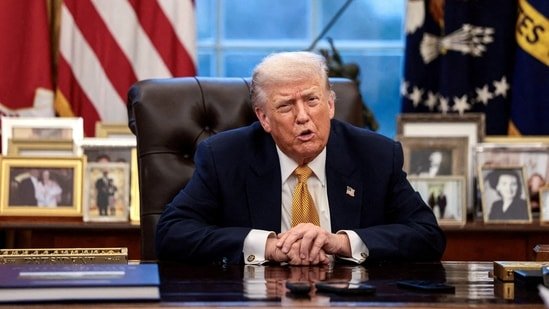
Trump administration proposes new rule that would increase hiring-related costs H-1B visa Support holder and sponsored employment immigrants by significantly increasing required prevailing wages. According to Forbes, experts say the Labor Department’s rule does this by changing the formula in inappropriate ways to achieve a specific policy outcome.

The Labor Department's proposed rules would increase H-1B visa wages by 21% to 33%, making it financially challenging for many foreigners to enter the U.S. workforce. (Reuters)
The Labor Department’s proposed rules would increase H-1B visa wages by 21% to 33%, making it financially challenging for many foreigners to enter the U.S. workforce. (Reuters)

According to the Labor Department, the proposed rule would increase minimum wage requirements by 21% to 33%, depending on the worker’s experience level. The rule includes a 60-day comment period and may face legal challenges after the final rule is released.

Also read: H-1B visa registrations drop in FY 2027: Here are the beneficiaries

Department of Labor issues notice of proposed rulemaking

The U.S. Department of Labor has issued a notice of proposed rulemaking to modify the “prevailing wage” calculation method for foreign workers employed under visa programs, including H-1BH-1B1 and E-3, as well as permanent immigration pathways such as EB-2 and EB-3 through the PERM labor certification process.

The proposed rule is consistent with other steps the Trump administration has taken to restrict high-skilled immigration, such as imposing a $100,000 fee on entry for new H-1B visa holders. Trump administration officials, including White House The architect of the administration’s immigration policy, Deputy Chief of Staff Stephen Miller, aimed to make it economically unfeasible for many highly skilled foreigners to enter the U.S. labor market.

The rule is similar to the final rule issued in January 2021 but did not take effect due to the presidential transition. An October 2020 rule aimed at further raising minimum wage requirements was halted after a judge determined it was issued as an “interim final” rule without sufficient justification.

H-1B Temporary visas are often the only means for highly skilled foreigners to obtain permanent employment in the United States. Employers must pay actual or prevailing wages to U.S. professionals with similar experience and qualifications. Companies recruiting at U.S. universities have observed that international students account for approximately 75% to 80% of full-time graduate students in AI-related disciplines such as computer and information science.

What are the suggestions for the new policy?

The department has expressed its intention to revise regulations governing applications for the PERM program and labor conditions, which are critical to the employment of temporary and permanent foreign workers.

“These proposed revisions are intended to better align prevailing wage levels with wages paid to U.S. workers in similar occupations and intended fields of employment.”

The proposal also addresses the issue of employers using the visa program to lower wages.

“The department’s proposed revisions are also intended to strengthen the integrity of programs by reducing the incentives for employers to use these programs to replace, rather than supplement, U.S. workers by hiring low-wage foreign workers.”

Reasons why wages may rise significantly

Currently, the salary is H-1B Similar visas are established through a four-tier system reflecting different levels of experience. Compensation for entry-level positions is classified as Tier 1 salary and is currently set at the 17th percentile for specific positions and locations.

The proposed changes aim to lift that number to the 34th percentile, bringing entry-level salaries closer to what mid-level workers earn today.

The change will increase the minimum wage employers must offer, particularly affecting recent graduates and those in the early stages of their careers.

Impact on recruiting and entry-level positions

Increases in salary thresholds are likely to lead to higher recruitment costs and prompt companies to take a more selective approach. As a result, available opportunities for entry-level foreign workers may decrease as employers may prioritize experienced candidates or domestic applicants.

also, H-1B The system is evolving to favor higher-paying positions, which may further limit employment opportunities for entry-level job seekers.

Officials say the existing wage structure has become outdated over the years, allowing some employers to recruit foreign workers at below-market rates.

Impact on Indian Nationals

Indian citizens make up the majority of H-1B visa recipients and represent a significant proportion of applicants in the EB-2 and EB-3 green card categories.

If passed, the proposal could lead to an increase in wages for skilled professionals in India, especially those with experience. Conversely, increased salary requirements may create challenges for recent graduates and entry-level candidates in securing positions.

At the same time, adjusting wages to match market standards can alleviate the problem of underpayment and improve fairness for U.S. workers, ultimately benefiting experienced Indian professionals in the long run.

Jos Buttler drops big claim, says ‘IPL had biggest impact on my career’

0

Jos Buttler drops big claim, says 'IPL had biggest impact on my career'
Jos Buttler (PTI Photo/Swapan Mahapatra)

If the housekeeper Stating that the Indian Premier League had the biggest impact on his career, the lessons learned and interactions during the game helped him achieve results in different formats of English cricket. Now with the Gujarat Titans, Buttler highlighted how exposure to elite players and coaches has improved his game, pointing to the Rahul Dravid and Matthew Hayden As a key influence, especially against spin. “Absolutely. As I said, the IPL had the biggest impact on my career. The lessons I learned during the IPL season, the interactions I had and the people I worked with as a coach and as a player were all invaluable. “Some of those conversations stood out to me while representing England in Test cricket, T20 cricket and 50-over cricket. It made a huge difference. “As Kevin (Petersen) said in my podcast interview, the opportunity to build a relationship with Rahul Dravid and play spin creates opportunities that would otherwise be very limited. “Even now, after being here for a few days, I can talk to Matthew Hayden about batting that I probably wouldn’t have had otherwise. So it affects me the same way it affects KP,” Buttler said. Buttler scored 4,120 runs in 121 IPL games at an average of 40 and a strike rate of 149.38, including seven centuries. He performed well in IPL 2025, scoring 538 runs at 59.8 runs in 13 innings with a strike rate of 163, with Shubman Gill and B Sai Sudharsan. GT, the 2022 champions, will kick off IPL 2026 on March 31 against Kings XI Punjab in New Chandigarh. Although he had a poor showing at the ICC Men’s T20 World Cup, scoring 87 runs in eight innings, Buttler said his mentality has not changed. “This is as important as any other IPL. Regardless of what happened before, I will be looking forward to the season and hope to contribute and play well. “The challenge is the same – be prepared, get into a good frame of mind and give yourself the best chance to perform. Whether you’re in form or out of form, you need energy to keep trying, to keep preparing and to differentiate yourself. “I am excited every time I play an IPL match and hope to do well for the team. I just try to assess the situation and do what needs to be done that day,” he said. Speaking about his struggles at the World Cup, Buttler admitted there was no single reason and said the time away from the game helped him regroup. “I asked a small group of people for advice on what they had seen. I tried hard during the World Cup but for a number of reasons it didn’t work out. “You have to accept that. It’s a game that has elements you can’t control and everyone is trying to perform. “At 35, I’ve been through 15 years of highs and lows. You reflect and analyse, but there are no secrets. If there were, everyone would score every time. “I enjoyed having some time away and doing some reflection, but the challenge is still the same – to put energy into training, get ready and then start from scratch on game day,” he explained. Butler also praised uncapped pacer Ashok Sharma, whom he played against during his time with the Nets. rajasthan royals. “He is more than just pace. He has accuracy, a very good off-speed ball and a big heart – qualities that every fast bowler needs. He has all the attributes to be an exciting prospect.”

Dubai Crown Prince Sheikh Hamdan bin Mohammed Al Maktoum posts photo of lightning striking Burj Khalifa

0

Dubai Crown Prince Sheikh Hamdan bin Mohammed Al Maktoum posts photo of lightning striking Burj Khalifa
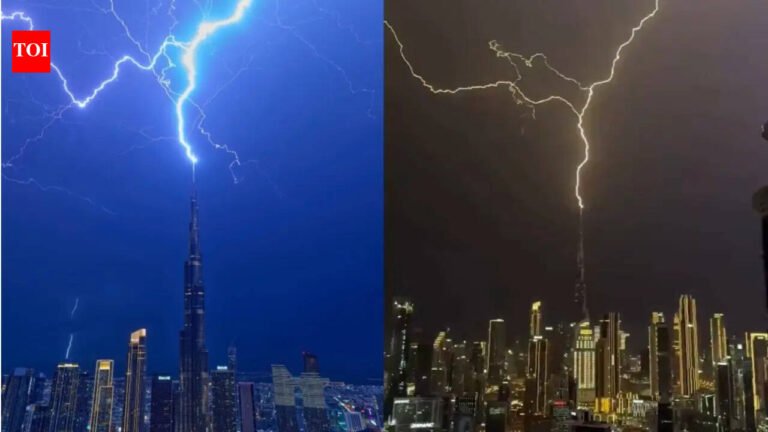
This stunning storm photo of Dubai Crown Prince Sheikh Hamdan bin Mohammed Al Maktoum at the Burj Khalifa is going viral: Here’s why

Recent thunderstorms and rainfall in the UAE have flooded social media platforms with dramatic visuals of lightning striking Dubai’s iconic Burj Khalifa, with many viewers asking the same question: How could the world’s tallest building survive a direct lightning strike?The answer lies not in luck but in cutting-edge engineering designed for moments like these. If you’ve also wondered what exactly happens when lightning strikes Dubai’s most famous skyscraper and why it’s completely safe, keep reading.

Dubai Prince Hamdan bin Mohammed Al Maktoumof viral Burj Khalifa photo goes viral

Sheikh Hamdan bin Mohammed Al Maktoum, Crown Prince of Dubai, Deputy Prime Minister and Minister of Defense of the United Arab Emirates, amid severe thunderstorms that swept across the city Instagram Deal with sharing the hot photos of the moment. Widely known as “Fazza”, he shared a striking photo of the Burj Khalifa illuminated by lightning and thunder, capturing a moment that immediately resonated on social media. “Moments worth stopping for #Dubai,” the prince wrote in the caption, punctuated with lightning and glitter emojis. The post went viral, combining Dubai’s iconic grandeur with the raw power of nature. More than just a photo, it reflects the city’s ability to transform severe weather into visual spectacles, where engineering marvels meet fleeting yet awe-inspiring moments.

Lightning strikes Burj Khalifa in Dubai, UAE: Why it’s not dangerous

The viral videos may look scary as lightning streaks across the sky and strikes the 828-metre-tall tower, but experts say that’s exactly what the building was designed to do. In fact, lightning striking the Burj Khalifa was normal, expected and well planned. Tall buildings naturally attract lightning, and the Burj Khalifa, as the tallest building in the world, actually acts like a giant lightning rod.

Science: How Burj Khalifa in Dubai, UAE, handles lightning

  • There is a powerful lightning arrester on the top: There is a lightning protection system at the top of the tower. It detects electrical activity in the atmosphere, intercepts lightning before it propagates, and channels the energy safely into a building’s protective system. Think of it as a controlled entry point for lightning.
  • “Faraday cage” effect: One of the most important safety features is the Faraday cage. The building’s steel structure, metal façade and reinforced frame work together to form a protective shell, channeling power to the outside rather than inside. This ensures the safety of those inside and ensures the electrical system is protected.
  • Downline – Escape route: Once lightning strikes a building, the energy doesn’t stay there. It passes through conductive paths, metal frames, and is guided safely to the ground through specialized systems. This prevents fires, structural damage, and power surges within the building.
  • Advanced grounding system: The base of the tower has a complex grounding system that absorbs electrical charges and safely disperses them to the ground. Without this, the energy has nowhere to go, making the system incomplete.
  • Smart sensor that ‘predicts’ lightning: Even more advanced is the Burj Khalifa’s sensor-based system, which can detect atmospheric changes, identify lightning conditions and adjust electrode polarity to attract and control lightning strikes.

Simply put, buildings don’t just react to lightning; It can predict it and manage it. The recent erratic weather in the UAE has made lightning more visible due to intense storms and cloud accumulation, dust and humidity affecting the atmospheric charge, and increased rainfall events. This combination produces more pronounced and noticeable lightning, especially around tall buildings. As seen in recent footage, attacks are generally brighter, longer lasting and more photogenic, but not more dangerous.

What actually happened when the Burj Khalifa in Dubai, United Arab Emirates, was struck by lightning

While the visuals are striking, the real impact is minimal. When lightning strikes the Burj Khalifa, it is absorbed at the top and the energy flows along the exterior and dissipates to the ground within seconds. No explosion, no fire, no danger to occupants. In fact, the system ensures that the interior is completely unaffected.The Burj Khalifa is not unique in its mine protection, but it is one of the most advanced. All major skyscrapers include lightning rods, grounding systems and surge protection, but the height and prominence of the Burj Khalifa requires a more complex, multi-layered system. This makes it a lightning target and one of the safest buildings during storms. What makes these strikes so popular is not the danger but the spectacle. Recent clips show lightning lighting up the skyline, lightning striking tower spiers violently, and storm clouds enhancing the visual effect. As a recent report stated, even as the storm ripped through the city, lightning was “safely diverted through the tower’s system.” This contrast between visual drama and practical safety has fascinated audiences around the world.

Real risks during storms in UAE

While the Burj Khalifa is safe, wider weather conditions still pose risks of road flooding, reduced visibility, traffic accidents and flight disruptions. Authorities often advise residents to:

  • Avoid unnecessary travel
  • Stay indoors during storms
  • Follow official weather updates

This is because the danger is not the building, but its surroundings. Lightning strikes are a reminder of the unpredictable, dramatic and awe-inspiring power of nature, and of human engineering’s ability to predict and control that power. Burj Khalifa is located at the intersection of the two. Yes, lightning can strike the Burj Khalifa, but no, it poses no threat because behind every dramatic flash there is a system designed to capture it, control it, and safely return it to Earth.