Home Blog Page 827

Social Security payments arrive on February 18th: are you on the list? Check eligibility

0

social Security For many beneficiaries, payments follow a structured schedule based on date of birth, with the next payment arriving on February 18, 2026. While the maximum benefit for eligible high earners is $5,181, most beneficiaries receive reduced benefits based on their work history and age at receipt.

Check social security payment schedule for February 2026 (AFP)

Social Security: Why are February 2026 payments different?

February 2026, some social Security Beneficiaries must pay close attention to changes in payment timing due to calendar and federal holidays. February is a shorter month that includes Presidents’ Day on February 16, 2026. Although this holiday will not directly change plans social Security payment date, which may cause delays in bank processing, especially for those who receive paper checks rather than direct deposits.

Supplemental Security Income (SSI) payments are usually issued on the first of each month, but were affected because February 1 fell on a Sunday. Therefore, SSI payments were deposited on Monday, February 2, 2026.

SSI and Timeline for Pre-1997 Beneficiaries

Individuals who began receiving benefits before May 1997 or who receive only Supplemental Security Income (SSI) follow a different payment schedule than most other beneficiaries. SSI payments are generally issued on the first day of each month, unless that date falls on a weekend or federal holiday. In this case, payment will be moved to the next business day.

Also read: Did Nancy Guthrie’s family have anything to do with her disappearance? New update on Tommaso Cioni speculation

Social Security Payment Schedule for February 2026

Your date of birth determines precisely the date of your Social Security payment. For retirees and Social Security Disability Insurance (SSDI) Beneficiaries who began receiving benefits after May 1997

Payments are made on Wednesday and divided into three groups:

Born between the 1st and 10th: Payment is made on the second Wednesday of each month (February 11, 2026).

People born between the 11th and 20th: Payable on the third Wednesday of each month (February 18, 2026).

Born between the 21st and 31st: Payable on the fourth Wednesday of each month (February 25, 2026).

Who is eligible for February 2026 SSDI payment?

Social Security payment groups are diverse and numerous, including retired workers, disabled people, survivors of deceased workers, and low-income SSI beneficiaries.

Each group has different eligibility requirements and slightly different payment schedules.

Eligibility for retirement benefits begins at age 62, but full benefits require reaching full retirement age (66 or 67, depending on year of birth).

SSI beneficiaries (due to disability or age over 65) must meet strict income and asset limits.

Payment timing is critical for SSI recipients, as missed or late payments can lead to serious problems such as being unable to pay rent or prescription drugs.

Russia-Ukraine war: Marco Rubio questions Moscow’s intentions to end conflict ahead of Geneva talks; seeks closer European ties

0

US humiliates Europeans on their own turf; Rubio skips Ukraine meeting, Munich hits on Zelensky

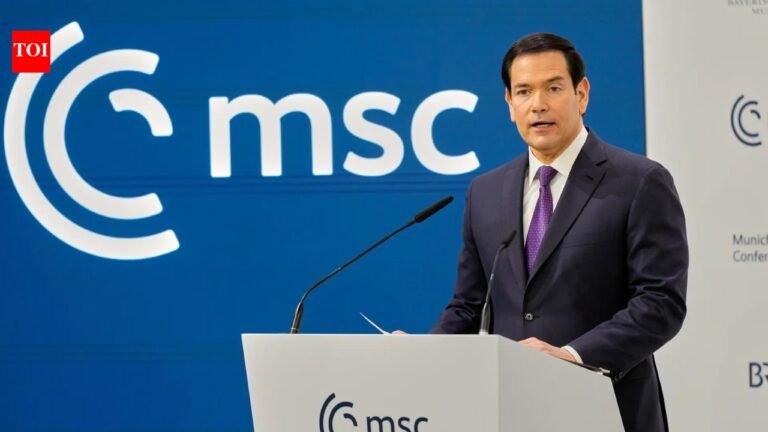
US Secretary of State Marco Rubio speaks at the Munich Security Conference in Munich, Germany (Image: AP)

U.S. Secretary of State Marco Rubio on Saturday questioned Russia’s sincerity in ending the war in Ukraine, as Washington pushes for a quick peace deal.Speaking at the Munich Security Conference, Rubio said Moscow’s willingness to negotiate remained unclear as the conflict entered its fifth year.

US humiliates Europeans on their own turf; Rubio skips Ukraine meeting, Munich hits on Zelensky

“We don’t know if the Russians really want to end the war,” he was quoted as saying by AFP.His comments come as a new round of talks between Russian and Ukrainian envoys brokered by the United States is scheduled to take place in Geneva next week.The discussions, confirmed by the Kremlin and Ukrainian President Volodymyr Zelensky’s communications adviser, came just days before the fourth anniversary of Russia’s full-scale invasion.

The war continues in diplomacy

The diplomatic efforts come against a backdrop of ongoing fighting. A Russian drone strike in Odessa hit a residential building and killed one person, officials said Saturday. Meanwhile, a Ukrainian missile attack killed two people and injured five others in the Russian border city of Belgorod.Previous U.S.-led efforts, including two rounds of talks in Abu Dhabi, have failed to bridge differences on key issues such as the future of Ukraine’s Donbass region, which remains largely under Russian control.

Let Europe rest assured

In Munich, Rubio also sought to calm European concerns about the transatlantic relationship under President Donald Trump.“We are not seeking division, but rather reviving ancient friendships and reviving the greatest civilization in human history,” he said. “What we want is to revive alliances.”“We want Europe to be strong. We believe Europe must survive,” Rubio added, stressing that the United States and Europe “belong together.”He acknowledged Washington’s tone may have been harsh but said it reflected allies’ demands for “seriousness and reciprocity,” according to the Associated Press. “At a time when headlines herald the end of the transatlantic era, let it be clear to all that this is neither our goal nor our desire,” he said.Rubio also criticized global institutions, saying the United Nations has played “little to no role” in resolving major conflicts, including the war in Gaza.His speech, which took a softer approach than last year’s speech by U.S. Vice President Vance, came as European leaders called for renewed trust and greater defense responsibilities within NATO, with the war in Ukraine becoming a focus of discussion.

Rahul Gandhi’s policy was to lie, lie loudly and repeat: Amit Shah | Puducherry News

0

Rahul Gandhi's policy was to lie, lie loudly and repeat: Amit Shah

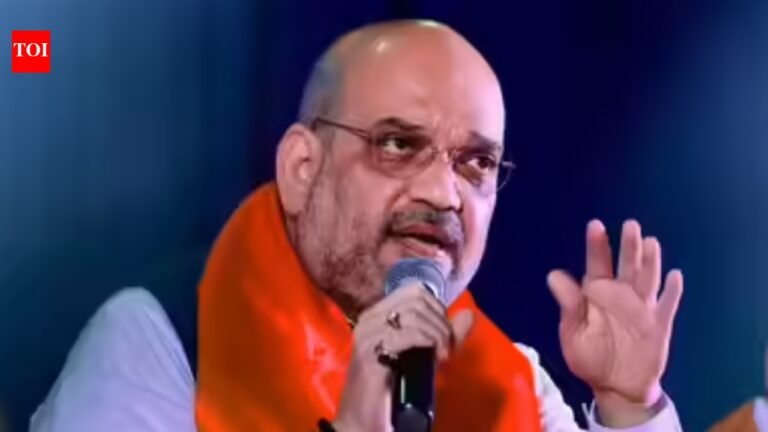
Puducherry: Union Home Minister Amit Shah Taking a dig at the leader of the Opposition in the Lok Sabha, Rahul Gandhiaccusing him of repeatedly lying about the India-US trade deal. During a two-day visit to Puducherry, he addressed a public meeting in Kaarikal, an enclave of Puducherry, 140 km south of his headquarters tamil nadu Shah dismissed the opposition’s accusations and insisted that the interests of farmers and fishermen were “100 percent protected” in the agreement. He said it was only during the last UPA government that the interests of farmers were harmed. “Rahul Gandhi’s policy is to lie, lie loudly and lie repeatedly,” he said. Shah paid tribute to the Central Reserve Police Force personnel who were martyred in the Pulwama terror attack. He said the previous Congress-led UP government did not retaliate strongly against the terror attacks, but Prime Minister Narendra Modi’s National Democratic Alliance government carried out Balakot air strikes on terrorist camps in Pakistan. Shah praised the NDA government led by All India National Congress (AINRC) founder and chief minister N Rangasamy for curbing corruption, ensuring political stability and strengthening autonomy in Puducherry. He accused the previous Congress government led by former chief minister V Narayanasamy of turning Puducherry into an “ATM for the Gandhi family”. He said the previous government had sold UG, PG and diploma medical seats, including seats reserved for SC and ST candidates, to the rich. He added that the NDA secured 44 per cent votes in the 2021 Assembly elections and the alliance “targets 60 per cent votes in the subsequent polls and wins 24 out of 30 seats in Puducherry”. Shah later met officials of the PPP’s Puducherry unit and held a meeting with Rangasamy, election chief and state in-charge at Karaikal in the afternoon, marking the start of seat-sharing talks.

Who is Yuvraj Narayan? DP World has new Indian-origin CEO after Sultan Ahmed bin Sulayem resigns over ties to Epstein

0

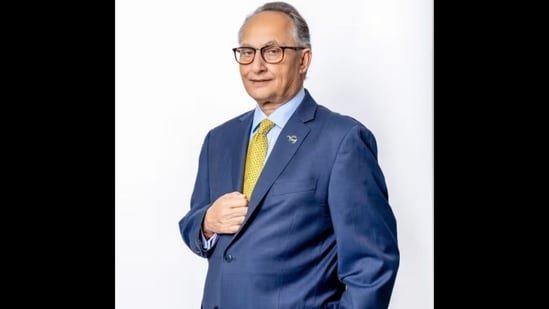
Yuvraj Narayan has been appointed as the new group chief executive of DP World following the resignation of former leader Sultan Ahmed bin Sulayem. The Dubai government appointed Narayan as the new boss in a statement but did not name Bin Sulayem.

Indian-origin CEO Yuvraj Narayan. (DP World)

Sultan Ahmed bin Sulayem also served as Chairman of the Board of Directors of DP World. The position will now be managed by Essa Kazim, the statement confirmed.

Who is Yuvraj Narayan?

“Yuvraj Narayan has extensive professional experience in financial management, corporate finance, supply chain and global trade,” the statement said. Since joining DP World in 2004, he has led a number of strategic and transformation initiatives, supporting the company’s expansion into international markets and strengthening its position as an integrated global provider of end-to-end supply chain solutions.

Also read: Who was Sultan Ahmed bin Sulayem? Dubai tycoon replaced as DP World CEO over Epstein ties

In his profile on DP Group’s official website, he wrote: “Under Mr. Narayan’s leadership, DP World has transformed from a regional port operator to a global end-to-end supply chain solutions provider. His strategic vision and financial acumen played a key role in expanding DP World’s operations to 79 countries, handling approximately 10% of global container trade. “

The report added: “During his tenure at DP World, the company has grown to more than 430 business entities with more than 115,000 employees worldwide. Mr. Narayan’s leadership has been critical in steering the company through various economic cycles and maintaining its competitive advantage in the global market.”

Also read: Jeffrey Epstein documents suggest an Indian woman was among his sexual abuse victims. What the new email release shows

He is married to Nandita Narayan. There is little information about his personal life.

‘Uncivil’: DMK MP slams TN BJP chief Nagendran’s remarks against TVK chief Vijay, actor Trisha India News

0

'Uncivil': DMK MP slams TN BJP chief Nagendran for remarks against TVK chief Vijay and actor Trisha
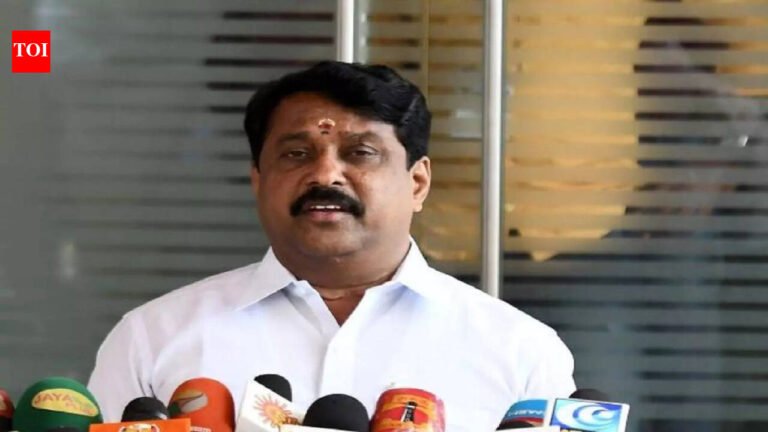
Tamil Nadu Bharatiya Janata Party President Nanal Nagendran

New Delhi: Tamil Nadu verdict Dravida Munnetra Kazhagam (DMK) on Saturday issued a sharp response to BJP president Nainar Nagendran’s objectionable remarks against actor-politician Vijay and actor Trisha.DMK MP Kanimozhi NVN Somu condemned the remarks, calling it “uncivilized” targeting the personal lives of politically active people. She also criticized women leaders of the Tamil Nadu BJP for not speaking out against Nagendran.

‘Get rid of corrupt DMK’: TTV Dhinakaran meets Goyal, AMMK rejoins NDA ahead of Tamil Nadu polls

“It is uncivilized to criticize the personal lives of those involved in politics in the public sphere. Furthermore, speaking in a manner that belittles the dignity and honor of women who have nothing to do with politics is an act that tarnishes femininity. For Mr. Nainar Nagendran, it is an injustice for women leaders of the BJP to remain silent and not condemn it,” Kanimozhi posted on X.Another DMK MP Tamizzachi Thangapandian also criticized Nagendran, saying it was “inappropriate” for the Tamil Nadu party chief who leads the alliance government to make derogatory remarks against a woman expressing political views in public. She added that civilized politics requires treating women with “dignity and respect.”Thangapandian wrote onThe controversy erupted after Nagendran made comments on Vijay’s recent rally in Salem. Talking about the actor’s lack of political experience, he suggested that Vijay should focus on his family and “be like actor Trisha”.Tamilaga Vettri Kazhagam (TVK) founder and leader Vijay had earlier addressed supporters in Salem ahead of the 2026 Tamil Nadu Assembly elections. He said that while his party may lack political experience, it has no “corruption experience.”“Besides experience in fraud, what other qualities do those who question my experience have? We have no experience, yes. We have no experience in robbery,” he said while attacking the DMK.His remarks came after Tamil Nadu and DMK supremo chief minister MK Stalin announced that Rs 5,000 has been released to women beneficiaries under the Kalaigniya Women’s Rights Scheme. Vijay criticized the financial aid, calling it a “temptation” rather than a genuine welfare measure.(With ANI input)

‘We must remain united’: Bangladesh Nationalist Party chief Tariq Rehman’s first speech after victory in Bangladesh

0

'We must remain united': Bangladesh Nationalist Party chief Tariq Rehman's first speech after victory in Bangladesh
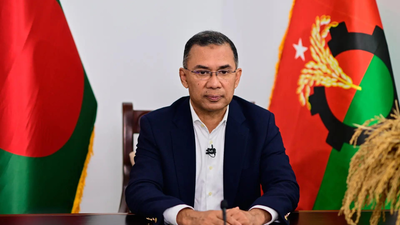
Tariq Rahman (PTI Photo)

Bangladesh Nationalist Party (BNP) Chairman Tariq Rehman on Saturday called for national unity in his first speech after the party’s landslide victory in the parliamentary elections.He dedicated the victory to those who had “sacrificed for democracy” and urged political differences to be set aside for the greater good of the country.Rehman, who is set to become Bangladesh’s next prime minister, said the country must remain united despite political differences. “Our paths and perspectives may be different, but for the good of the country we must remain united,” he said in his first speech since the election.“I firmly believe that national unity is the strength of the collective and division is the weakness,” he added.The BNP secured a landslide victory in elections held on Thursday, the first since a deadly uprising in 2024 that led to the ouster of former Prime Minister Sheikh Hasina.Replying to a question on relations with India, he said, “The interest of Bangladesh and its people will determine our foreign policy”. According to the Electoral Commission, the BNP-led alliance won 212 seats, while the Jamaat-e-Islami-led alliance secured 77 seats. Hasina’s Bangladesh Awami League was barred from participating in the elections.Rahman began his speech by thanking supporters and describing the mandate as a victory for democratic aspirations.“The country’s freedom-loving democrats have once again brought victory to the Bangladesh Nationalist Party,” he said.“This victory belongs to Bangladesh, to democracy, this victory belongs to those who aspire to democracy and make sacrifices for democracy,” he added.He acknowledged that the incoming government will face significant challenges. “We have paved the way for establishing democracy in the country,” Rahman said.“We are about to begin our journey with a fragile economy left behind by the dictatorship, weakened constitutional and structural institutions and a breakdown in law and order,” he added.The result marked a major political return for the 60-year-old leader, who returned to Bangladesh in December after 17 years in exile in Britain. Rahman is the son of former President Ziaur Rahman and former Prime Minister Khaleda Zia. Ziyar Rahman, who was assassinated in 1981, served three terms and remained a central figure in the country’s politics for decades.Meanwhile, Jamaat-e-Islami chief Shafiqur Rahman initially claimed there were “inconsistencies and fabrications” in the voting process, but later admitted defeat. He said his party would “be a vigilant, principled and peaceful opposition”.The BNP’s victory with a more than two-thirds majority marks a major political shift in Bangladesh after months of turmoil and drama in 2024.

Did Nancy Guthrie’s family have anything to do with her disappearance? New update on Tommaso Cioni speculation

0

Pima County Sheriff Chris Nanos He has not held a press conference on the Nancy Guthrie case since February 5. Although he has been reluctant to engage with the media, he has participated in multiple interviews in the past 24 to 48 hours, including a recent discussion with Fox News’ Matt Finn.

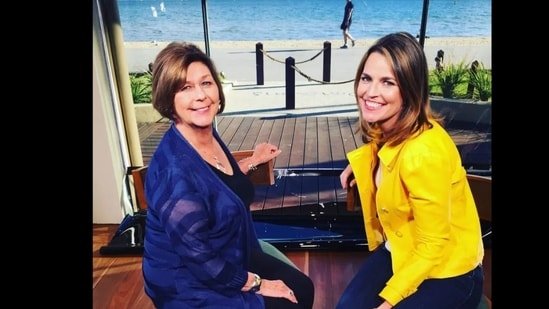
Pima County Sheriff Chris Nanos has not held a press conference since February 5 regarding the disappearance of Nancy Guthrie. However, he added that no suspects had been cleared, (savannahguthrie/instagram)

During this interview, Finn asked if anyone had been excluded as a suspect or person of interest in the case. “No one is really eliminated,” Nanos replied. Additionally, Finn asked Nanos about ongoing rumors that someone in the family might be involved. Nancy is missing.

Also read: Is Dominic Evans the masked man in Nancy Guthrie’s suspected video? Fact-checking viral claims linking Tommaso Cioni

Nanos on Nancy Guthrie case: ‘It’s crazy’

To stress that the family has fully and 100% responded to all of our requests, application “The accusations against this family have become insane,” he said, adding that “an individual cannot be charged with such a horrific crime without any supporting evidence.”

Fenn stressed that just recently, Nanos said “no one” had been cleared.

The search for 84-year-old Nancy began on February 1. The FBI has released photos and videos of a potential suspect showing up at Nancy’s front door the night she was killed. disappear. However, authorities have not identified a suspect or person of interest in the investigation.

Nancy Guthrie missing timeline and speculation on family members

Nancy is the mother of TODAY anchor Savannah Guthrie, sister Annie Guthrie and brother Camron Guthrie. In addition, she is also the mother-in-law of Anne’s spouse, Tommaso Scioniand husband Michael Feldman of Savannah.

According to the timeline published by Nanos, on Saturday, January 31, Nancy took an Uber to her daughter and son-in-law’s (Anne and Tommaso) residence, which was approximately four miles away. They enjoyed dinner and played family games before Tommaso drove Nancy home around 9:30 p.m. local time. Before leaving, he made sure Nancy was safe inside. Authorities suspect Nancy may have been abducted from her home in the early hours of Sunday, February 1.

There has been considerable discussion on social media about the family’s potential involvement, as the timeline suggests Nancy’s eldest daughter Anne and son-in-law Theonie may have been the last people to see her alive. Neither the Pima County Sheriff’s Department nor the FBI have said the family is innocent in the matter.

Hardik Pandya Gets Heartfelt Valentine’s Day ‘M’ Tattoo For Girlfriend Mahieka – Watch | Occasionally News

0

Hardik Pandya Gets Heartfelt Valentine’s Day ‘M’ Tattoo For Girlfriend Mahieka – Watch
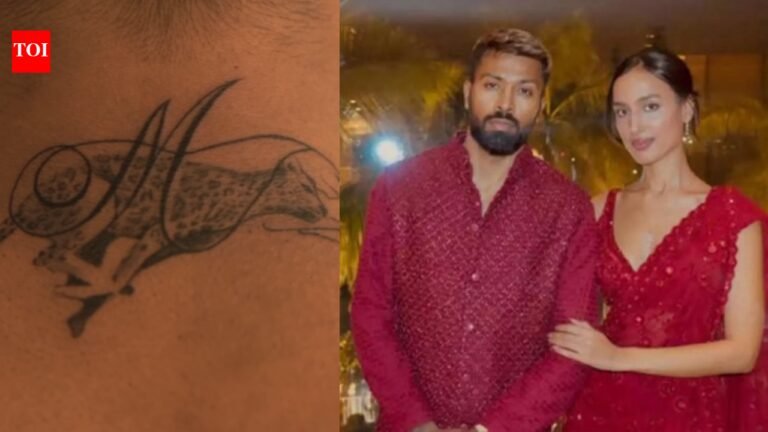
Hardik Pandya’s Valentine’s Day Tattoo for Mahieka Sharma

As the surprises of Valentine’s Day continue, Hardik Pandya A special gesture was made for his girlfriend Mahieka Sharma. The Indian all-rounder got a new tattoo in her honour, and it quickly grabbed attention online.Push boundaries with our YouTube channel. Subscribe now! Hardik first wanted to print the initial “M” as a simple yet meaningful symbol of love. However, after detailed discussions with the artist and late-night brainstorming sessions, the idea turned into a larger design. The final tattoo shows two leopards. One is bold and realistic, the other features smooth lines that subtly form the letter “M” for Mahieka. The leopard represents strength and partnership. Hardik confirmed his relationship with Mahika Sharma in 2025.Also read: WATCH: Hardik Pandya spotted with girlfriend Mahieka; Arshdeep Singh steals the show as he arrives in Colombo, India Hardik Pandya has previously worked with Natasha Stankovic. The couple married in May 2020 and renewed their vows in February 2023 through Hindu and Christian ceremonies. They announced their separation in July 2024 and continue to co-parent their son Agastya. On the field, Hardik was also in top form against Namibia. He scored 52 runs off 28 balls as India posted 209 runs for 9 in 20 overs. With the ball, he took two wickets and scored 21 runs as Namibia were bowled out for 116 runs. India won the match by 93 runs and Hardik was named the man of the match. India faces major rivals next Pakistan Sunday, February 15th.

Do semen, ek jaan? No thanks: How homophobia is changing the language of love | India News

0

Do semen, ek jaan? No thanks: How homophobia is changing the language of love

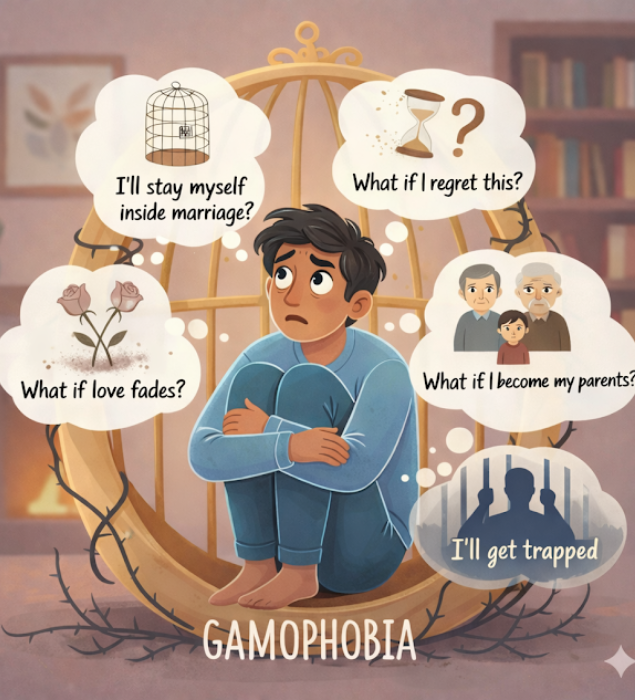
In a world where relationships have become more visible and complex, a strange psychological phenomenon is quietly gaining attention—homophobia, the fear of commitment or marriage.It’s not just the occasional cold feet, pre-proposal nerves, or hesitation about settling down. Homophobia is a deeply ingrained lived experience that can impact every connection, shape life choices, and define what love is like for many people. Increasingly, mental health professionals, writers, and even everyday couples are seeing this concept not just as a quaint term, but as a real form of emotional resistance.Ankur Halder, a 27-year-old IT professional, puts it very well – like Abai Deer Said in zindaji already Milej Dobala“I don’t want a soul in my body.” The word “gamophobia” itself comes from the Greek words gamos (marriage) and phobia (fear). At its core is the fear of getting married or entering into a long-term intimate commitment. In practice, however, the situation is much more nuanced. People who struggle with homophobia are not necessarily afraid of love or companionship. Rather, they worry about the permanence, vulnerability, expectations, and potential loss of autonomy that lifelong attachment may bring.But why has this fear become more pronounced now? Why are more and more people willing to call themselves “commitment-afraid”? Is this simply a symptom of a generation’s spoiled choices, or is it rooted in deeper psychological and social shifts? Importantly, in a place like India, where marriage still has cultural gravity, unlike much of the world, what does that look like?To explore these questions, we must move beyond labels and into the real-life realities where homophobia resonates in the twenty-first century.

The Many Faces of Homophobia

Homophobia is not a clinical diagnosis in major psychiatric manuals such as the DSM-V. This is a loosely defined term used in psychology, culture, and pop psychology circles. However, its presence reflects real emotional and relational patterns that therapists see every day.For some people, when discussions about the future get serious, it manifests as anxiety or panic. For others, it manifests as long-term relationship damage—becoming forceful, distant, or falling into a self-fulfilling breakup before things get too real. Some people experience insomnia, avoidance, or physical symptoms at the thought of tying their lives to others.Importantly, homophobia is not just a fear of marriage. It can be expressed as:

  • fear of dependence or vulnerability
  • Fear of repeating past relationship trauma
  • fear of losing one’s identity
  • fear of failure in love
  • Fear of social expectations associated with marriage

For a growing number of young Indians, this fear is not abstract. It emerges at a very specific moment – when the romance begins to build.

artificial intelligence images

In this country, relationships rarely remain emotionally unresolved. They are expected to peak. They must be formalized. They must move towards marriage.It is often at this threshold that things change.

When love is easy, but never is

Arav, 32, who works for a multinational company in Mumbai, said he has been in three serious relationships in the past decade. Everyone follows a similar rhythm: intense beginnings, emotional intimacy, shared holidays. For months, sometimes years, everything felt certain.Next is the topic of meeting parents. About the schedule. About “where is this going” and starting to retreat.“I didn’t know what to expect,” he said. “It was like something switched off. I started imagining all the ways it could go wrong. What if I lose my freedom? What if I’m not ready? What if I make the wrong choice and can’t undo it?”This is how homophobia often unfolds. People form romantic connections easily. They are affectionate, attentive, and emotionally involved. But when a relationship approaches a formal commitment—an engagement, marriage, shared finances—anxiety can spike. The future no longer feels romantic and begins to feel irreversible.

Doesn’t mean you can’t love

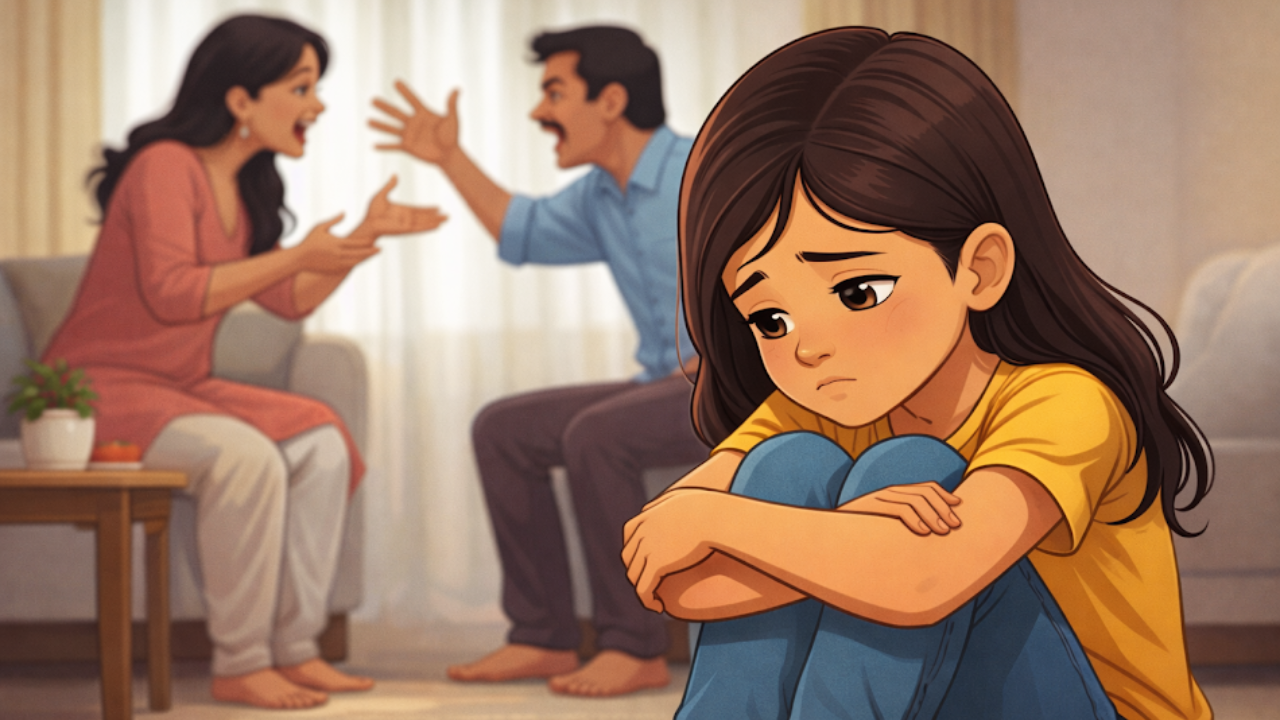
One of the most persistent misconceptions about homophobia is that it signals emotional immaturity or an inability to feel deeply. This assumption couldn’t be further from the truth.People who struggle with commitment anxiety tend to love intensely. They can be attentive partners, emotionally available, and genuinely invested in their relationship. The difficulty is not about feelings. It lies in anticipation.For some, the fear stems from childhood experiences. For others, it stems from witnessing marital dissatisfaction. For many in contemporary India, it stems from the burden of making the “right” decision in a world that offers unlimited choices and irreversible consequences.In this sense, homophobia is not so much a rejection of love as a fear of making an irreversible mistake.A 29-year-old woman (who chose to remain anonymous) grew up watching her parents argue behind closed doors while maintaining a calm public image. Divorce was never discussed. Silence is easier than separation.“When people talk about marriage,” she said, “I don’t imagine romance. I imagine being able to stay even if you’re not happy.”Children absorb more than they realize. When marriage is framed as endurance rather than companionship, commitment may begin to subconsciously resemble confinement.

artificial intelligence images

Why fear of commitment may be growing

A culture of choice and comparison

We live in an age of endless choices, especially romantic ones. Dating apps, social media, global mobility and the carefully curated image of the “perfect relationship” create the illusion of endless possibilities. Commitment to a person can feel ambivalent rather than reassuring when one believes the next swipe may be better.This reflects deeper cognitive patterns of comparison, fear of missing out, and choice overload. Instead of being comforting, narrowing your options can trigger anxiety about losing potential options forever.

Personal identity over collectivism

In recent decades, individualism has become central to people’s sense of self. Career goals, personal growth, and self-discovery are more important than ever. While this is empowering, it also changes the way people think about relationships. Commitment begins to feel like a trade-off—balancing autonomy with attachment. Ankur Halder said: “I believe a healthy relationship should consist of two independent people choosing to be together. Today’s relationships have evolved, unlike older generations like my grandparents, whose partners tended to be overly dependent on each other. I appreciate that relationships now allow for more individuality.”

Witness the breakdown of a relationship

We grow up on stories of failed marriages, divorces and high-profile celebrity breakups. Seeing a relationship fall apart can affect how we think about commitment—making it feel risky rather than romantic.

Trauma and attachment styles

The way we connect emotionally is influenced by early life experiences. People with avoidant attachment often fear losing their independence in close relationships. Those with anxious attachment may worry about abandonment, even in healthy relationships. People whose early friendships ended abruptly may have difficulty remaining completely committed to their partners, fearing the inevitable loss of intimacy that will result.

Changing gender roles and expectations

Traditional roles, such as men as sole breadwinners and women as primary caregivers, have changed, but old expectations won’t disappear overnight. Women don’t want to be tied down by household chores, and years of social conditioning have left many feeling that at some point, they will have to sacrifice their dreams to meet relationship expectations. People around the world often find themselves balancing new possibilities with inherited norms, creating tension in romantic relationships as they decide who does what, how decisions are made, and what each partner “should” contribute.

Homophobia in India: Between Tradition and Modernity

In India, marriage has long been considered an important milestone in life—anticipated, celebrated and carefully planned by families. Urbanization, increased female labor force participation and exposure to global cultures have changed the way young Indians view partnerships. Emotional compatibility and personal growth are more important than ever.Meanwhile, deep-seated expectations remain:

  • Marriage is a family responsibility
  • Pressure to settle down early
  • Fear of “what people will say”
  • arranged marriage tradition
  • Gender expectations for roles

In this environment, homophobia takes on unique contours. For some, it becomes a resistance to pressure, a boundary against social coercion. For others, it reflects real uncertainty about whether traditional marriage structures fit their changing identities.To further complicate matters, leaving a partner in India often creates difficulties socially. Relationships aren’t just between two people—they’re entangled with family expectations, social judgment, and, in many cases, children. In India, many people are reluctant to end relationships even if they feel unsatisfied because they worry about the shame of separation or the impact on their children. This creates a common misconception: staying despite being unhappy is often interpreted as proof of commitment or love, when in fact it may reflect social pressure and obligation.

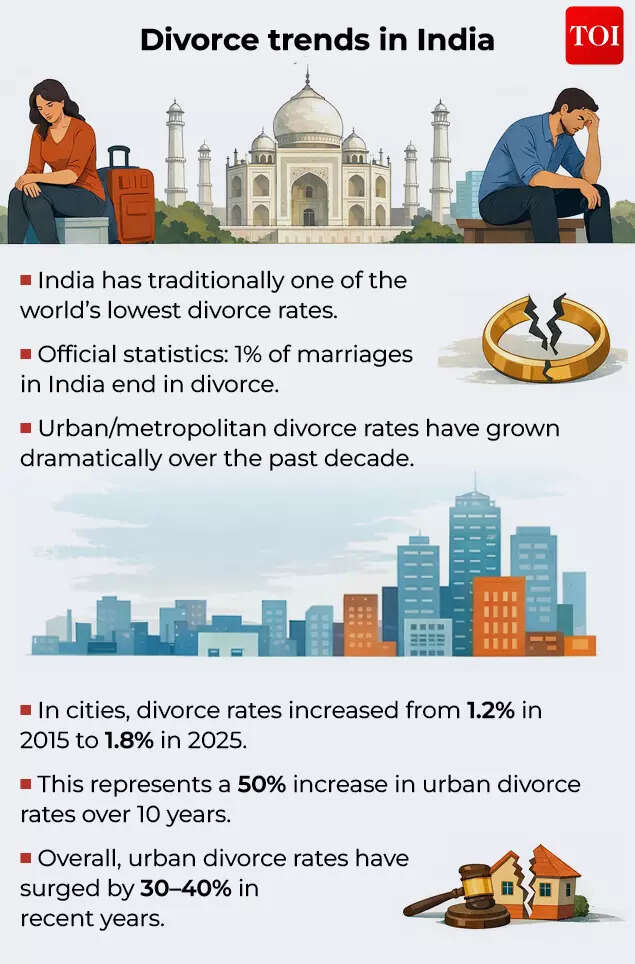
Divorce trends in India

Generational values ​​also play a role. Many Indian families value endurance and sacrifice in relationships. While these ideals are admirable, they can inadvertently suppress emotional needs. Young people may find themselves torn between respecting tradition and respecting their own preparation.Mental health awareness in India is still evolving. Anxiety about commitment may be viewed as stubbornness or irresponsibility rather than being understood as emotional complexity. Unable to verbalize their fears, many people internalize guilt rather than seek support.

Not all fears are pathological

It’s important to realize that homophobia is not always dysfunctional. Fear can be protective, especially after a painful or unstable relationship. It may indicate a need for clarity, healing, or stronger identity formation.In a society that often equates marriage with success, choosing to pause or question is not necessarily avoidance. This may be insight.Challenging traditional marriage norms, Ankur said: “I have some doubts about marriage. While I know this works well for many people, most marriages I observe seem complicated and fraught with ongoing problems. This makes me question whether the institution itself is necessary, or whether the commitment could exist in some other form. “Homophobia is a mirror. It reflects both personal insecurities and broader cultural changes. It reminds us that commitment is not just a social contract but an emotional decision shaped by history, identity, and context.Just because commitment anxiety is increasingly evident in India and elsewhere does not mean that this generation is incapable of love. This shows that people are thinking more deeply about the requirements of love.Perhaps, in asking these difficult questions, we are not straying from our commitment but are learning to approach it with greater awareness.After all, love does not diminish with reflection.It is reinforced by choice.


‘Hindu extremism and…’: BNP chief Tariq Rehman’s adviser’s key comments on India relations after Bangladesh win

0

'Hindu extremism and...': BNP chief Tariq Rehman's adviser's key comments on India relations after Bangladesh win
Humayun Kabir, advisor to BNP Paribas Chairman Tariq Rahman

“Hindu extremism and far-right intolerance” are spreading in India, Humayun Kabir, an adviser to Bangladesh Nationalist Party chief Tariq Rehman, said on Saturday, describing radicalization as a broader South Asian problem. He also called for a balanced and cooperative relationship with New Delhi as the BNP prepares to form the next government after a landslide election victory.

BNP’s Tariq Rahman to become Bangladesh PM after sweeping victory in historic comeback

Speaking to PTI, Kabir said, “Radicalization is a problem in South Asia. We see Hindu extremism and far-right intolerance growing in Indian society, and in Pakistan we hear about extremists as well. In Bangladesh, although not to that extent, there are some issues,” he said.He stressed that local governments must work together rather than operating in isolation.“This is why we all need to share counterterrorism evidence and assessments and strengthen cooperation. Isolation without information exchange or security cooperation will only hinder progress,” Kabir said.“Cooperation at all levels is important and is the norm in diplomacy, especially between democratically elected governments in our region. Going forward, information sharing and joint efforts will build confidence in detecting and tracking terrorists and extremists in the region,” he added.Kabir also addressed India’s concerns about the safety of minorities, especially Bangladeshi Hindus.Referring to the previous government led by Sheikh Hasina, he said: “In the last 15 years under the Hasina regime, there was a deep and uneasy feeling that the foreign policy was more in line with India than with Bangladesh. These concerns will continue to exist. “He said the BNP would pursue what he called a more balanced foreign policy.“What we want is a balanced relationship. We will not limit our relationship to one country and we will not accept any agreement that prevents us from doing business with other countries. We will avoid such agreements and disclosures,” he said.On allegations of violence against minorities, Kabir maintained that communal harmony prevails in Bangladesh.“The violence against minorities in India is different from that in Bangladesh, where there is social harmony,” he said.Giving the background of the political transition, he added, “Bangladesh has been without a government for five days after the August 5 uprising, but no one is attacking minorities as our leader Tariq Rahman urged people to remain calm and not take the law into their own hands.”“He provided calm leadership to ensure stability until an interim government was formed. In Bangladesh, Muslims and minorities coexist peacefully and communal harmony is strong,” Kabir said.The comments came as the Bangladesh Nationalist Party (BNP) won a landslide victory with a more than two-thirds majority in parliamentary elections held after the 2024 uprising that ousted Sheikh Hasina.In the wake of recent violence, the safety of minority groups has come under renewed scrutiny. Just days before the assembly elections, 62-year-old Hindu businessman Susen Chandra Sarkar was hacked to death in his shop in Mymensingh district. Unidentified assailants attacked him with sharp weapons and then fled the scene, police said.