
Wall Street is heading into another big week after a huge swing in U.S. stocks. Investors will be paying close attention to the upcoming U.S. jobs report, the outlook for the Federal Reserve’s interest rate decision and updates from Nvidia CEO Jensen Huang. These events could determine whether the stock market recovers or faces another period of heavy selling.

Artificial intelligence and technology stocks have seen significant gains and losses in recent days. U.S. stocks fell sharply last week, dragging down S&P 500 Index Enter the correction area. However, Wall Street recovered on Monday after investors welcomed Huang’s return as chief executive of Nvidia, one of the world’s largest artificial intelligence chip makers, Reuters reported.
U.S. jobs report will influence Fed’s interest rate outlook
The November U.S. jobs report will be one of the most important events next week. The report is scheduled for release next Friday and will provide the latest information on the strength of the U.S. labor market. Investors will use the data to understand what action the Federal Reserve may take on interest rates at its December meeting.
Ayako Yoshioka, senior investment strategist at Wealth Improvement, said strong economic growth could provide the Fed with another reason to raise interest rates. She described the situation as a double-edged sword, as strong economic activity is good for the economy but could be bad for stocks if it leads to higher borrowing costs, Reuters reported.
Nvidia hearings and credit ratings take center stage
Nvidia CEO Jensen Huang’s testimony before the Senate will also be closely watched. Huang is scheduled to appear before the U.S. Senate Banking Committee next Thursday. His testimony will bring more attention to Nvidia in the wake of the latest developments involving the company’s leadership.
However, Nvidia also faces another major issue involving its credit rating. On Wednesday, S&P Global Ratings will NVIDIA’s Credit Rating Credit watch negative. This indicates that rating agencies are likely to downgrade the company’s credit rating.
Huang Jen-Hsun’s return has not completely eliminated investors’ concerns about the artificial intelligence industry. Investors have begun to question whether the huge sums invested in artificial intelligence infrastructure will generate enough profits in the future. According to Reuters, these concerns existed even before the recent Nvidia leadership crisis.
Investors are also concerned about circular financing in the AI industry. This refers to a financial arrangement in which a company invests or provides capital to other companies within the same AI ecosystem. The arrangement raises questions about the sustainability of the industry’s rapid growth.
Joseph Zidle, chief market strategist at Cresset Capital, said doubts about recurring financing and artificial intelligence spending were already growing before the Nvidia crisis erupted. He said Huang’s return answered questions about Nvidia’s long-term leadership but did not change investors’ more cautious mood, Reuters reported.
Concerns about raising interest rates ahead of Fed’s December meeting intensify
The Fed’s December meeting will be another major event on Wall Street. The central bank is scheduled to hold a meeting on December 8-9. Investors generally expect interest rates to rise by 0.25 percentage points as the Fed continues its efforts to control inflation.
Investors are more concerned about how strong the Fed’s signal is for raising interest rates in the future. Even if the central bank raises interest rates by 0.25 percentage point in December, its comments on the possibility of further rate hikes may affect market sentiment.
Federal Reserve Governor Christopher Waller recently called for more aggressive measures to combat inflation. He suggested that the central bank may raise interest rates by 0.50 percentage points at the December meeting, which may indicate that the pace of interest rate hikes will accelerate in 2027.
Matthew Miskin, co-chief investment strategist at Manulife John Hancock Investments, said weak economic data could give Fed There is more room to avoid taking a tougher approach. He said investors will be watching for signs of weakness in upcoming data, Reuters reported.
Wall Street eyes market losses, economic data
Economists expect the November jobs report to show a gain of 90,000 jobs. Economists surveyed by London Stock Exchange Group (LSEG) said the unemployment rate was expected to remain at 4.1%. The data will help investors understand whether the U.S. labor market is cooling.
Other economic reports will also influence market expectations for next week. Investors will be watching the latest data on manufacturing activity, services activity and consumer confidence. According to Reuters, the reports will provide more information on business conditions and the degree of U.S. consumer confidence in the economy.
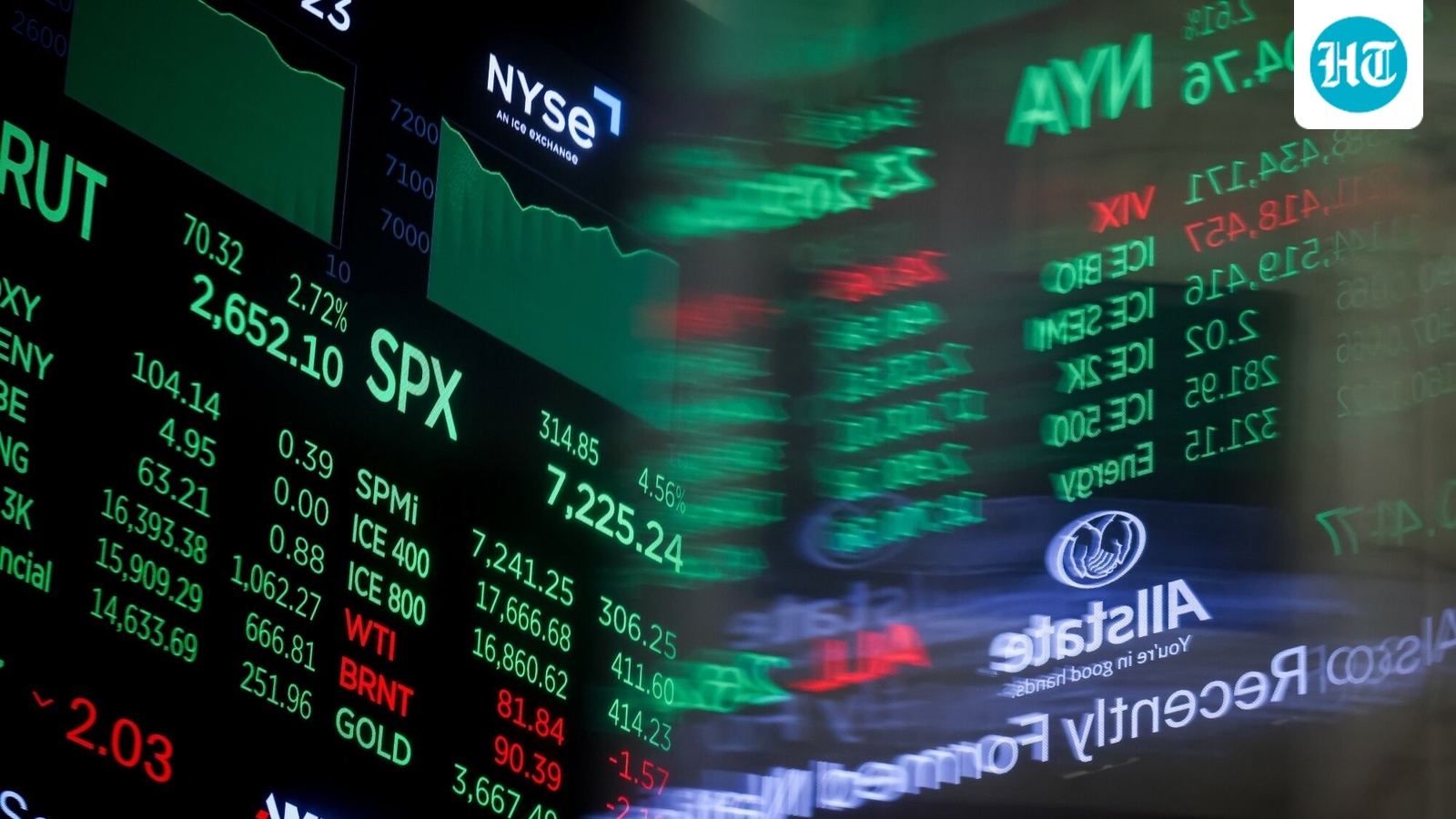
Wall Street’s recent losses show just how much pressure stocks have been under since October. The S&P 500 is down about 7% from its all-time high reached on Oct. 6. The Nasdaq Composite Index, which is dominated by technology stocks, fell about 13% during the same period.
Overall, next week will be an important test for Wall Street. The November jobs report, expectations surrounding the Federal Reserve’s December interest rate decision, Jensen Huang’s testimony before the Senate and earnings from major technology companies will all influence investor sentiment. After a week of volatility, investors will be looking for signs of market stabilization and recovery.