In 1964, Elizabeth Hird and her husband bought Connecticut’s Outer Island; in 1995 she donated it in his memory so it could remain protected for wildlife, research and education
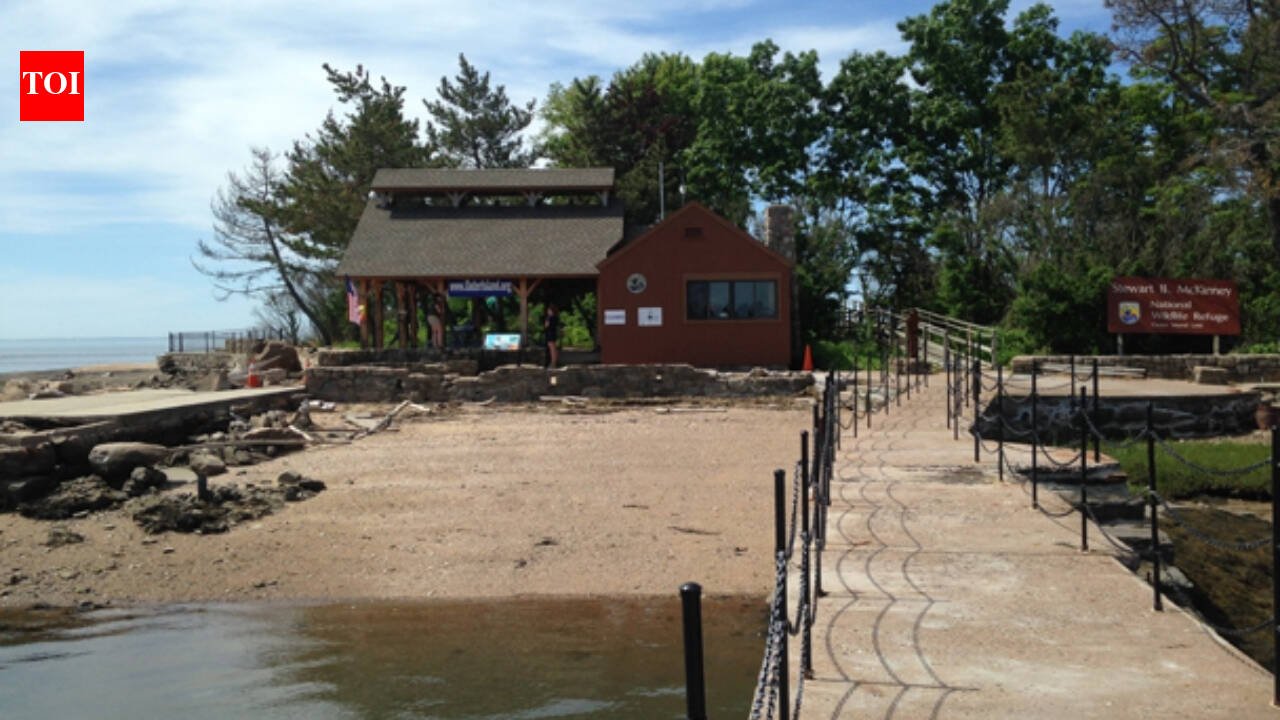
In 1964, Elizabeth Hird and her husband bought Connecticut's Outer Island; in 1995 she donated it in his memory so it could remain protected for wildlife, research and education

Connecticut’s Outer Island (Image Credit: outerisland.org) In 1964, Elizabeth Hird and her husband, Basil Rauch, purchased Outer Island as a summer retreat in Connecticut’s Thimble Islands. More than three decades later, Hird made a decision that transformed the island’s future: in 1995, she donated it to the U.S. Fish and Wildlife Service in memory of … Read more
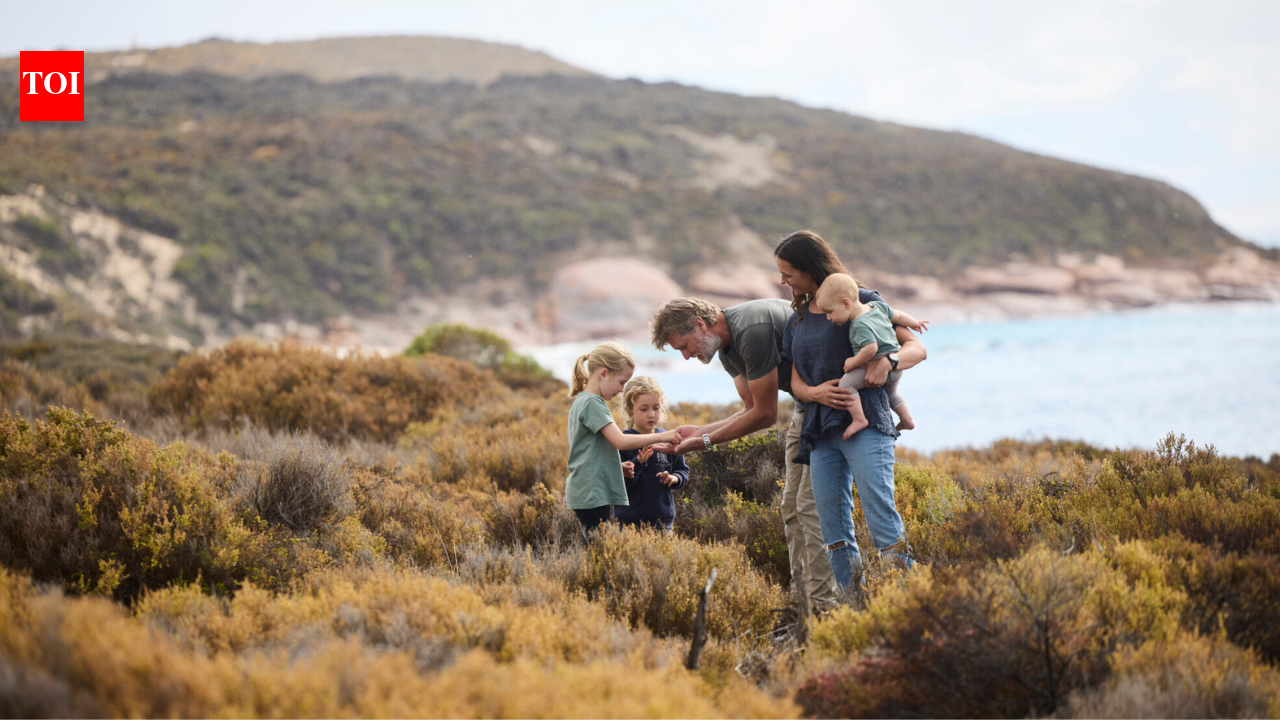
Australian family bought a remote island to run a sheep farm, now they are turning it into a $4.8 million conservation sanctuary for endangered wildlife

Australian family bought a remote island to run a sheep farm, now they are turning it into a $4.8 million conservation sanctuary for endangered wildlife

An Australian family who once built their life around sheep farming on a remote island are now helping give the same place a completely different future. Peter and Pamela Woolford took over Flinders Island off South Australia’s Eyre Peninsula and raised their family there while running a Merino sheep station. Nearly five decades later, the … Read more

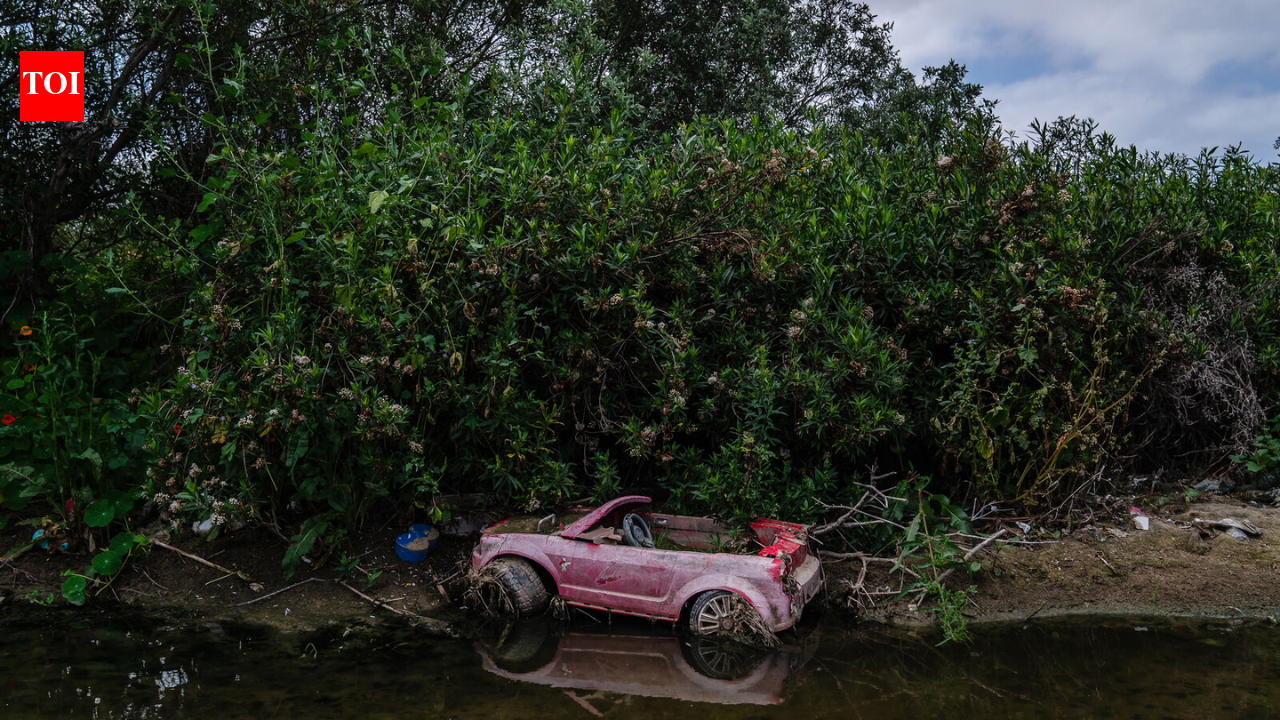
In 1986, a California city began polishing sewage through constructed marshes; the 307-acre system is now a wildlife sanctuary that has hosted over 300 bird species

In 1986, a California city began polishing sewage through constructed marshes; the 307-acre system is now a wildlife sanctuary that has hosted over 300 bird species

50 Million Gallons of Sewage Flow Daily From Mexico Into California Beaches In 1986, the Northern California city of Arcata completed an innovative wastewater treatment system that used constructed wetlands to clean sewage while also creating valuable wildlife habitat. The project eventually became part of the Arcata Marsh and Wildlife Sanctuary, a 307-acre natural area … Read more

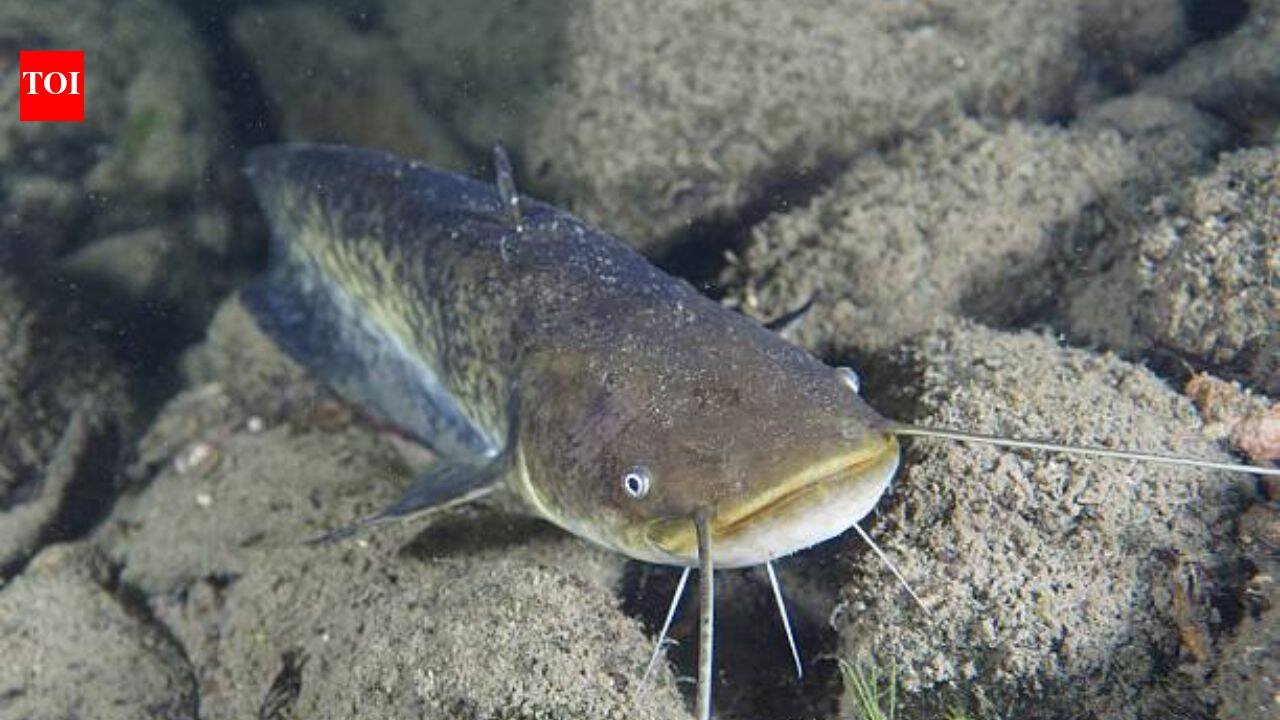
In 1974, a German fisherman released thousands of baby catfish into a Spanish river; 50 years later they are threatening native wildlife as an ‘ecological time bomb’

In 1974, a German fisherman released thousands of baby catfish into a Spanish river; 50 years later they are threatening native wildlife as an 'ecological time bomb'

German biologist and recreational fisherman Roland Lorkowsky released thousands of juvenile Wels catfish into Spain’s Ebro River in 1974. His goal was simple and positive: to create a world-class sport fishery by introducing one of Europe’s biggest freshwater fish. But today, the Wels catfish has become one of the dominant predators in many Spanish waterways. … Read more