
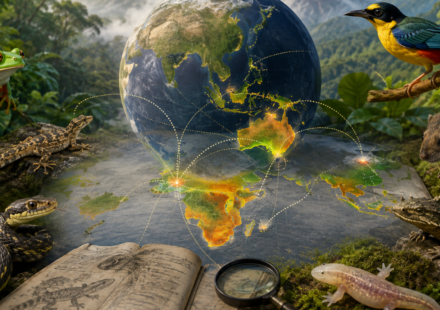
Scientists spent 100 years discovering new animals and found that hotspots are emerging in unexpected places; it is now reshaping the understanding of biodiversity

Representative Image (AI-generated) For much of the past century, scientists have steadily expanded the catalogue of life on Earth, adding species that were previously unknown to science and refining the ranges of those already documented. But what…
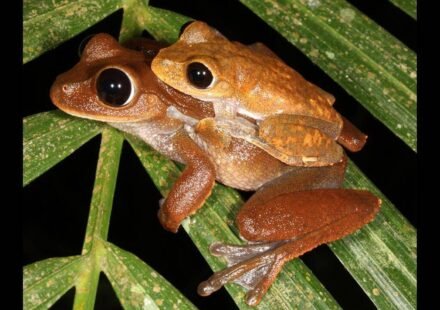
Scientists searched for threatened Australian rainforest frogs without seeing or hearing them; DNA in creek water collected up to 22 km downstream revealed populations in places where the frogs had disappeared
Photos of a study species: the Australian Lace-lid (L. dayi)Photo credit: Conrad J Hoskin. In the cool, wet upland streams of Queensland’s Wet Tropics, several species of rainforest frog were pushed to the brink in the 1980s and 1990s by chytrid fungus,…
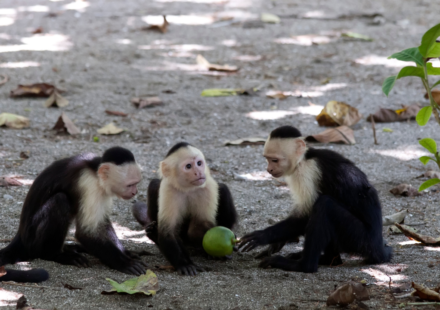
Scientists watched wild capuchin monkeys for 45 months and recorded around 280 vertebrate-eating events; when fruit became scarce, the monkeys increasingly turned to lizards, snakes and other animals for food
Capuchin monkeys (Representative Image/ Canva) For most people, monkeys are closely associated with fruit, leaves and insects. But when their preferred plant foods become harder to find, some capuchin monkeys appear willing to switch strategies. They…
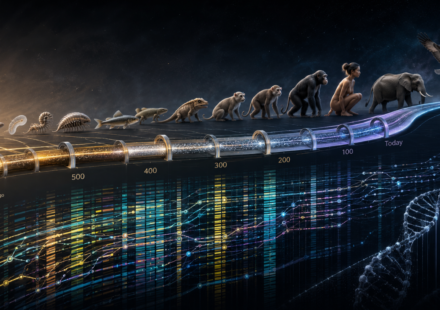
Scientists analysed thousands of animal genomes and found hidden “evolutionary highways” stretching back 600 million years
Scientists have traced hidden pathways through animal evolution by comparing thousands of genomes and following pieces of chromosomes that have survived for hundreds of millions of years. The study examined 5,821 chromosome-scale genomes from 4,454…
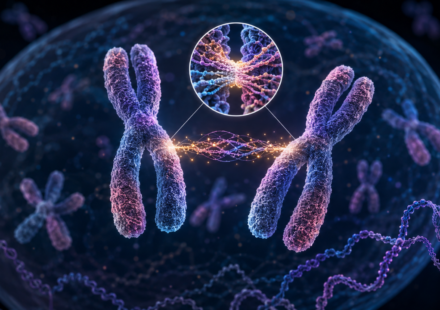
Scientists found that DNA once dismissed as “junk” helps chromosomes find their partners
For years, the dense loops of repetitive DNA clustered near the middle of chromosomes were treated as evolutionary clutter. According to the new study published in Nature, titled ‘Meiotic pairing through barcode-like satellite DNA repeats‘,…
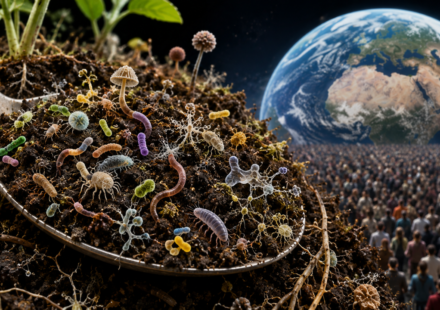
A teaspoon of healthy soil contains more living organisms than there are humans on Earth, yet scientists say most species remain unknown
Beneath every footstep lies a world most of us will never see. A single teaspoon of soil, scooped from a healthy forest floor, holds more living organisms than there are humans on the planet, bacteria, fungi, protists and nematodes packed together in…
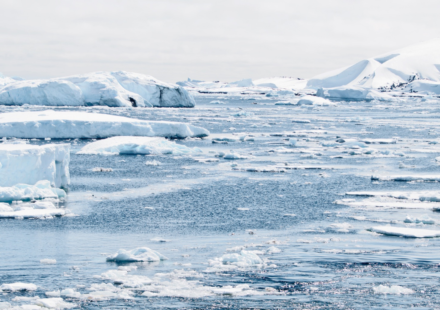
In 2007, scientists used NASA satellite measurements to reveal 14 areas of moving water beneath West Antarctica; one hidden lake had drained about 2 cubic kilometres in three years
Icebergs in Antarctica (Image Credit: Canva) Antarctica may look like a vast, frozen and unchanging landscape, but deep beneath its thick ice lies a surprisingly active world. In 2007, scientists reported findings based on measurements collected by…
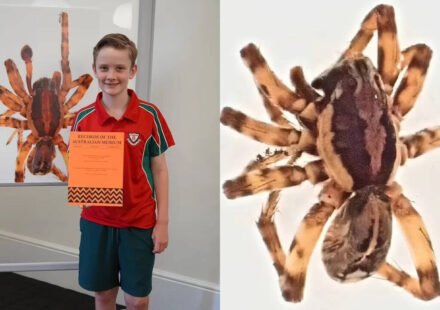
In 2020, 10-year-old Murphy Widdowson collected a spider on a remote Australian island that experts could not identify; scientists later declared it a new species and named it Artoriopsis murphyi after him
While on the remote island Murphy picked up a small spider that intrigued him, and he decided not to wonder what sort of spider he’d found, but to seek the opinion of an expert. For most kids, finding a spider would be a scream, and then a quick…
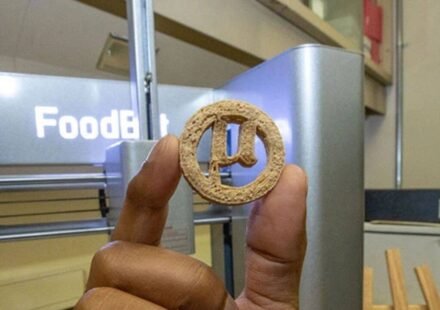
Scientists turned plastic bottles and corn waste into protein-rich cookies; the food could help tackle hunger problem and also feed space crews
The technology could also potentially be used in places such as submarines and future human settlements on the Moon or Mars (American chemical society photo) Researchers at Southern Illinois University Carbondale (SIU Carbondale) are working on a…
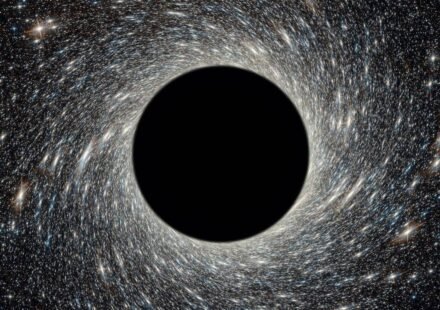
Some stars repeatedly skim past supermassive black holes, lose material and survive; scientists now think their unusually rapid spin explains why each returning flare becomes progressively dimmer
Representative Image (Canva) Some stars can make repeated close passes around supermassive black holes, losing part of their material each time while surviving to return again. These encounters produce bursts of light, or flares, that can recur months or…