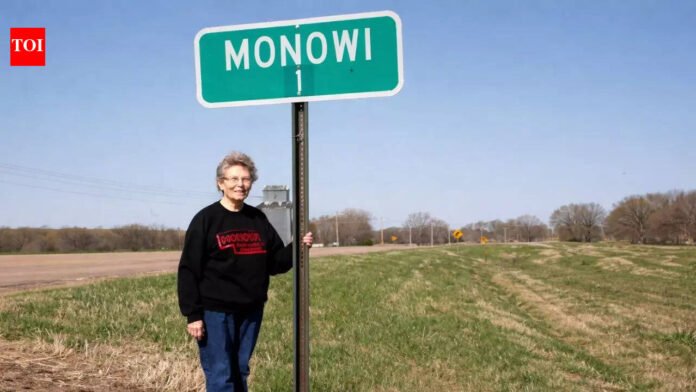
Located in the extreme northeast corner of Nebraska, Monoway is a legally registered American village with unique features unparalleled anywhere else in the world. Its population is exactly one. The only resident is Elsie Eiler, who has lived there for decades and now shoulders the entire burden of local government.Monoway is not an abandoned ghost town or an unincorporated settlement. It is fully documented, recognized by the state, governed by laws and regulations, and required to follow the same administrative procedures as any other city. With no other residents to share the responsibility, Eller has become the entire democratic fabric of the town. She voted in an election, won unanimously, and then governed herself, which was not new but a legal necessity.
How Monowi Became America’s Smallest a town people
Monowee was once home to dozens of residents who made their living from agriculture, railroad lines, and small-town commerce. Like many rural communities on the Great Plains, it declined as economic opportunities shifted and younger generations migrated to big cities. By the end of the 20th century, the population had dwindled to a handful.After Eller’s husband died in 2004, she became the only remaining resident of the village. Instead of disbanding the town or moving, she chose to stay. Census records later confirmed Monowee’s status as a one-person municipality, thrusting it into the spotlight of international attention and highlighting the reality of depopulation in rural America.
A well-functioning one-person democracy
Because Monovi is still incorporated under Nebraska law, it must still hold elections and maintain civic offices. As a result, Eller serves as mayor, clerk and treasurer, roles that require record keeping, financial reporting and compliance with state rules. Every municipal election has 100% voter turnout and unanimous results because Eller is the only eligible voter.The arrangement is unusual but legal. Once a town already exists, Nebraska statutes do not require a minimum population for incorporation. Monovi therefore continues to function as a municipal government, even if its democratic process is reduced to a single vote.
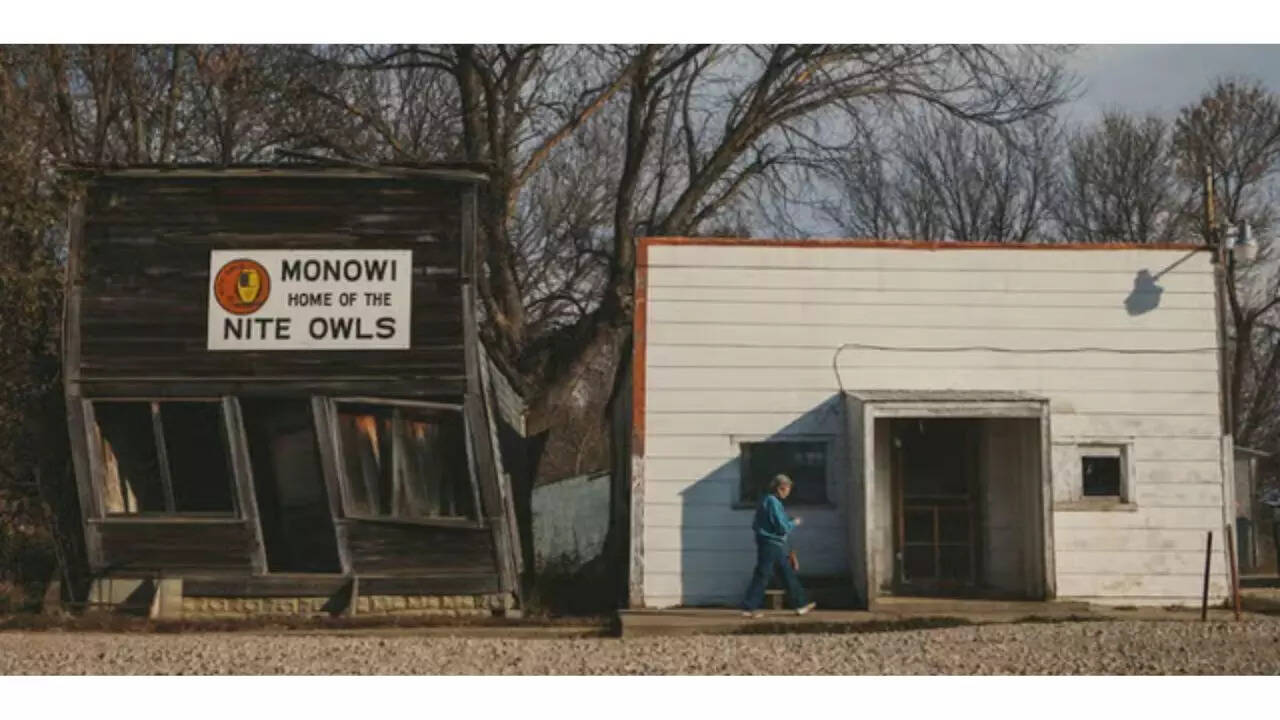
liquor license paradox
Eller also ran the Monoway Tavern, the only business in town and a well-known stop for tourists passing through Boyd County. Like any bar owner in Nebraska, she must apply for a liquor license every year. The application process includes local approval, which in most towns will be handled by the council or mayor.In Monovi, that recognition comes from Eller himself. She completed the paperwork as an applicant and then reviewed and signed it in her official capacity as mayor. Licensing is ultimately regulated at the state level, but local signings highlight the unique overlap between private enterprise and public authority in a town.
The paperwork that keeps a town alive
In addition to the permit and election, Monovi must submit regular municipal documents. One of the most important is the annual road plan submitted to the State of Nebraska. The document allows the village to still qualify for a small amount of state funding, which helps pay for basic infrastructure costs like street lighting.Filing is mandatory even if there are no roads to repair and almost no traffic. If they stop, Monovi risks losing his legal status. Eller’s commitment to completing the paperwork every year is one of the main reasons the town continues to exist in any official sense.As long as Elsie Ayler kept voting, filing forms, and keeping a tavern, Monoway would remain a small town. In a country built on multiple layers of government and bureaucracy, this may be the purest example of civic responsibility reduced to its simplest form.