Italian man built fake Roman amphitheatre, fooled tourists for nearly 10 years, charged 40 euros for tour guide | World News

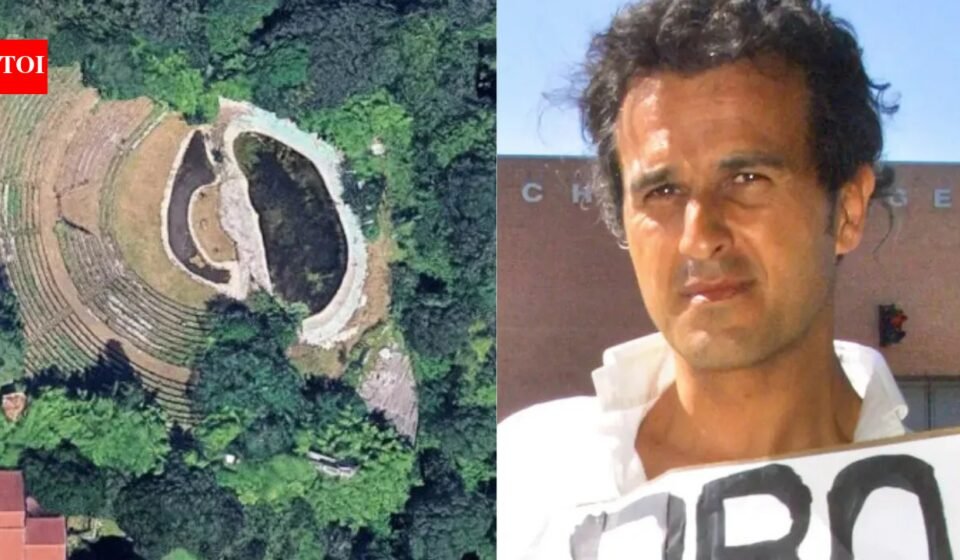
Visitors to the hillsides near Vicenza in northern Italy spent nearly a decade believing they were exploring the forgotten remains of a Roman amphitheatre. Led by dramatic stories of visits from ancient emperors, gladiators and even Julius Caesar and Cleopatra, they are willing to pay 40 euros to visit this seemingly extraordinary archaeological find. In fact, investigators later discovered that the entire site had been built using modern materials by local man Franco Malosso von Rosenfranz, who presented the homemade structure as a truly ancient site. The unusual deception was reportedly even featured in some tourist materials and ended only after archaeologists and police uncovered an elaborate hoax that had fooled tourists for years.
one fake roman amphitheater Fooling tourists for years
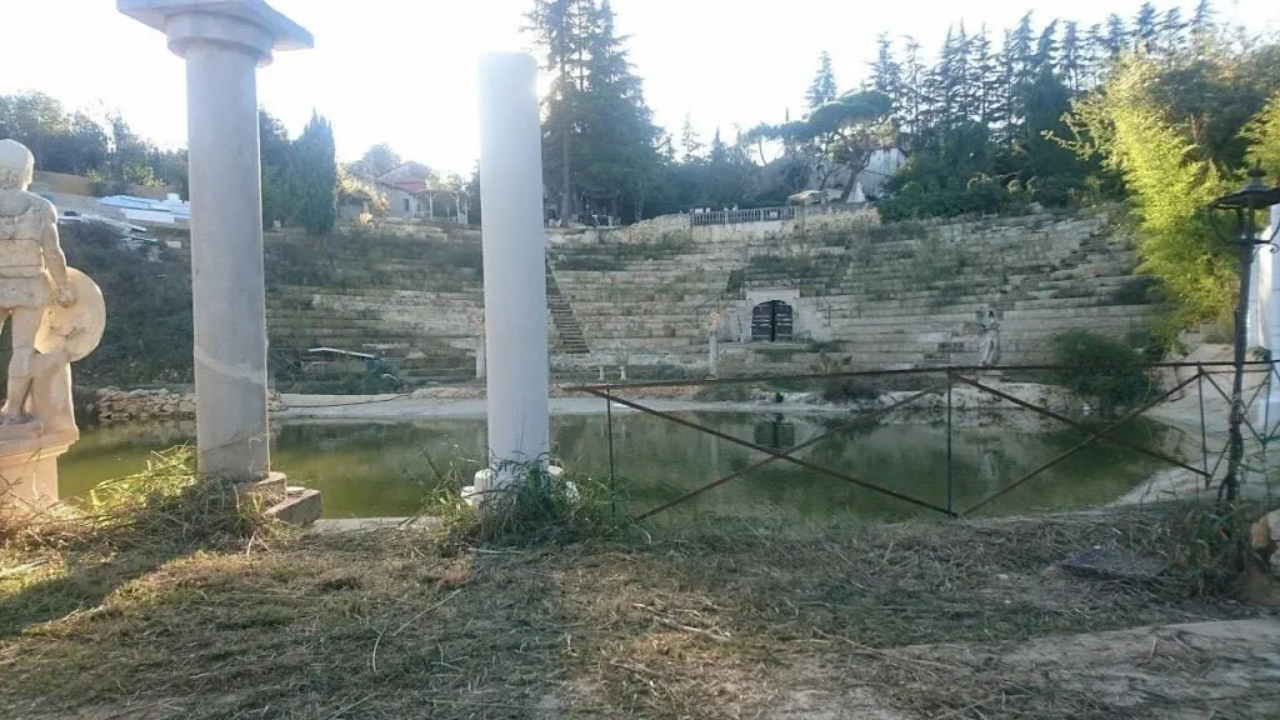
The site is located in the city of Alcagnano, near the city of Vicenza in the Veneto region of Italy. Marosso promoted the building as the Berico Maritime Amphitheater, claiming that it was discovered after a landslide and represented a remarkable archaeological find. Over the years, the site has attracted curious visitors eager to explore what they thought were forgotten Roman monuments. Despite the lack of verified archaeological evidence, guided tours, historical performances and compelling storytelling have helped make the site an unusual tourist destination.
The complex story behind the alleged archaeological find
To make the attraction more believable, Marosso created a detailed historical narrative surrounding the site. During the tour, he claimed that famous historical figures including Julius Caesar and Cleopatra had visited the amphitheater. Some versions of his story also link the site to the Knights Templar and even Shakespeare’s Juliet. These dramatic claims, while not supported by historians or archaeologists, add to the site’s mystique and encourage visitors to believe they are witnessing an extraordinary chapter in Roman history.
How homemade ruins are built
Investigators found that the alleged Roman amphitheater was entirely modern. Instead of discovering actual archaeological remains, Marosso built the building himself using materials such as fiberglass, paper mache, plaster and concrete. The surface has been deliberately aged and shaped to resemble centuries-old stone carvings, creating the illusion of an authentic ancient monument. Archaeologists concluded that, despite their convincing appearance, none of the structures held any historical or archaeological significance.
Investigation reveals decade-long scam
Suspicions surrounding the site eventually led to an investigation involving the Italian Carabinieri Cultural Heritage Protection Unit, local authorities and archaeological experts. Experts quickly determined that construction techniques and materials were inconsistent with Roman engineering. Satellite images also show changes to the hillside before the so-called rubble emerged, contradicting claims that it appeared naturally after a landslide. The findings confirmed that the site was an orchestrated fabrication rather than a genuine archaeological discovery.
Court decisions and penalties
An Italian court found Marosso guilty of illegal construction and forgery of architectural works. He was sentenced to two years and four months in prison, fined 3,000 euros and ordered to demolish the fake building. The municipality of Alcagnano also filed a civil claim for €560,000 over the unauthorized restoration of attractions and sites, ending one of Italy’s most unusual cases of heritage fraud.