
UAE opens ‘safe air corridor’ amid US-Israeli war with Iran: Airlines allow 48 flights an hour as tensions rise in Middle East


This is a decisive move to stabilize regional aviation amid rising geopolitical tensions middle EastAccording to Abdulla bin Touq Al Marri, Minister of Economy and Tourism, the United Arab Emirates has opened “safe air corridors” that allow airlines to operate up to 48 flights per hour. The measure aims to restore air connectivity, evacuate stranded passengers and sustain the country’s tourism and business sectors during one of the region’s most devastating aviation crises during the war between Iran, the United States and Israel.“Based on available emergency routes, the current capacity is 48 flights per hour, with this number likely to increase at a later stage based on the latest developments and safety ratings and measures,” the minister said. The corridors are part of an emergency response coordinated with Gulf neighbors and aviation authorities after widespread airspace closures triggered massive travel disruptions across the Middle East. Thousands of passengers were stranded and hundreds of flights canceled as conflict in the region forced airlines to suspend or change routes.
Why United Arab Emirates Open safe air corridor
The decision comes after days of tense military tensions between Iran and other regional actors that resulted in the temporary closure of critical airspace in the Gulf. The disruption forced airlines around the world to reroute flights and halt operations at some of the region’s busiest aviation hubs.In response, the UAE moved quickly to establish designated safe flight paths, or “safe air corridors,” that limit aircraft movement while maintaining safety oversight. These corridors are primarily used for emergency, evacuation and repatriation flights, while regular commercial services remain restricted.The minister told a government briefing that the corridor currently allows up to 48 flights per hour, with capacity expected to increase as security conditions improve. The initiative aims to ensure the continuity of economic activity, tourist flows and essential travel even as instability in the region increases.
US-Israeli war with Iran affects tens of thousands of passengers
The air shutdown has left tens of thousands of travelers stranded in the Gulf, particularly in major transport hubs such as Dubai and Abu Dhabi. Some passengers reportedly drove across the border to neighboring countries such as Oman or Saudi Arabia in search of outbound flights.

UAE opens safe air corridors, evacuation flights surge, stranded passengers eased
According to officials, the first phase of the evacuation operation began on March 2, when special flights began transporting stranded passengers out of the UAE. More than 17,000 passengers on about 60 flights have been evacuated through newly established corridors.The authority is currently planning the next phase, which could include the addition of more than 80 flights per day, with a capacity of more than 27,000 passengers. Officials also said the country could end up operating up to 300 special flights in the coming weeks to deal with the backlog of passengers.
Emirates airline resumes limited operations amid war with Iran, US and Israel
While air corridors have opened up for aircraft to take off and land, most scheduled commercial flights remain suspended or severely restricted. Major UAE airlines including Emirates, Etihad Airways, flydubai and Air Arabia have resumed only limited services, focusing mainly on repatriation and resettlement flights.Some flights depart from major airports such as Dubai International Airport and Al Maktoum International Airport, which are subject to strict regulations. However, the timeline remains fluid and can change rapidly based on the evolving security situation. Travel agencies say demand remains very high, with many tourists trying to leave the region, while foreign residents are also seeking routes back to the UAE via special flights or neighboring countries.
UAE government provides support to travelers stranded in Iran, US, Israel wars
To mitigate the impact on disrupted tourists, UAE authorities have introduced additional support measures. Reports suggest the government is paying for accommodation and meals for stranded tourists while they await evacuation or rebooking flights. Several governments are also coordinating with UAE authorities to repatriate their citizens. Countries including the UK have begun operating special rescue flights to help bring their nationals back from the Gulf.
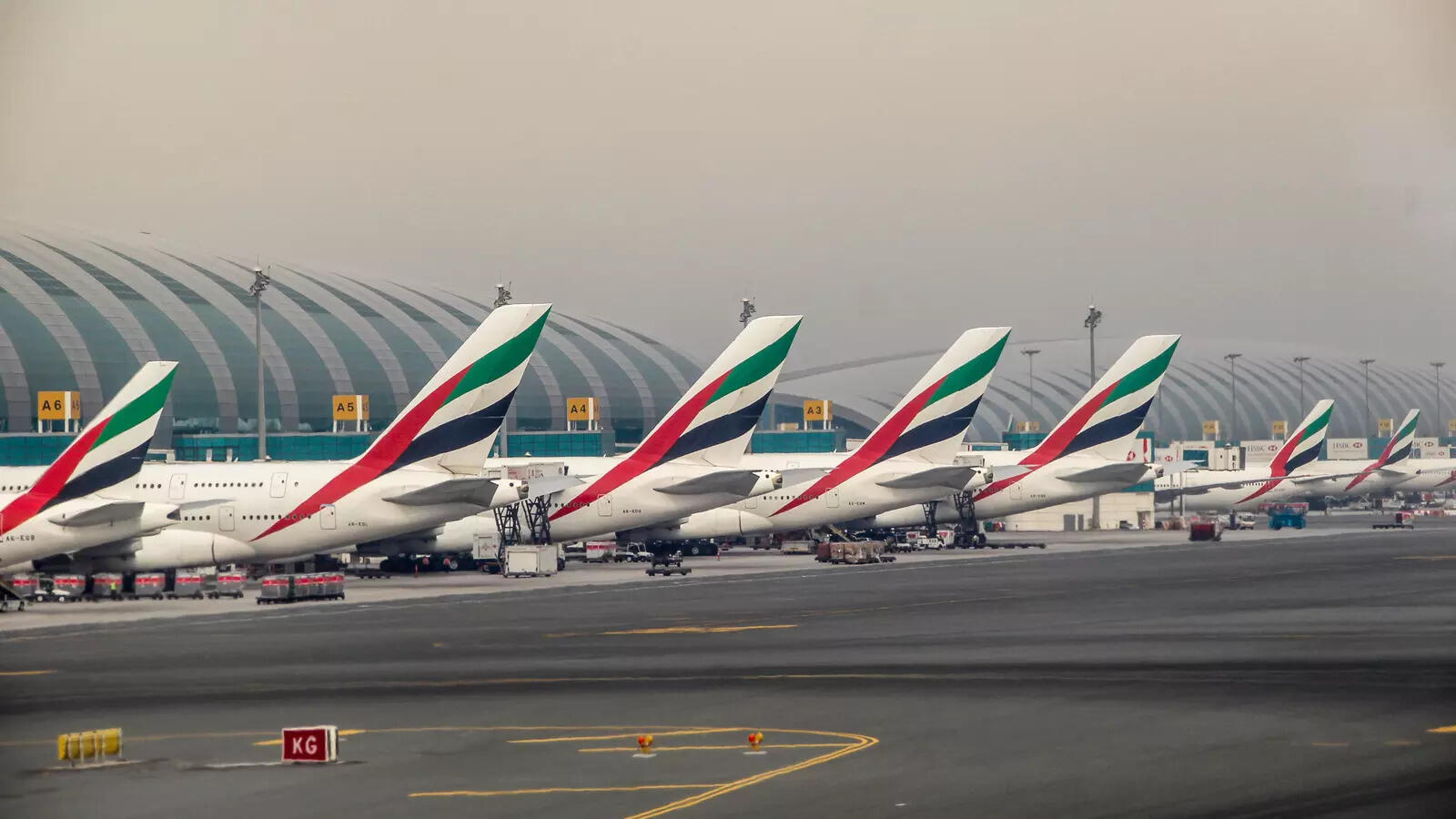
48 flights per hour: UAE launches emergency air corridor to move stranded passengers
The crisis has rippled through the global aviation market. Airspace closures and flight diversions have significantly increased fuel costs and travel times, pushing up jet fuel prices and affecting airline stocks around the world. According to reports, in the early stages of the flight disruption, more than 11,000 flights were canceled in the region, affecting more than 1 million passengers. Analysts believe that the establishment of safe air corridors is a key step in restoring some connectivity and preventing long-term closure of the Gulf aviation network.
Cautious reopening of Middle East skies amid Iran, US, Israel war
The UAE’s aviation strategy reflects wider regional efforts to stabilize air travel while maintaining strict safety standards. By coordinating safe routes and carefully managing flight volumes, authorities hope to gradually resume air traffic without exposing airlines or passengers to unnecessary risks.Corridor capacity of 48 flights per hour currently provides a controlled lifeline to the Gulf region’s aviation industry, enabling evacuation flights, limited commercial services and the slow return home of stranded passengers. However, industry observers say a full return to normal flight schedules will largely depend on how quickly geopolitical tensions in the region ease.