
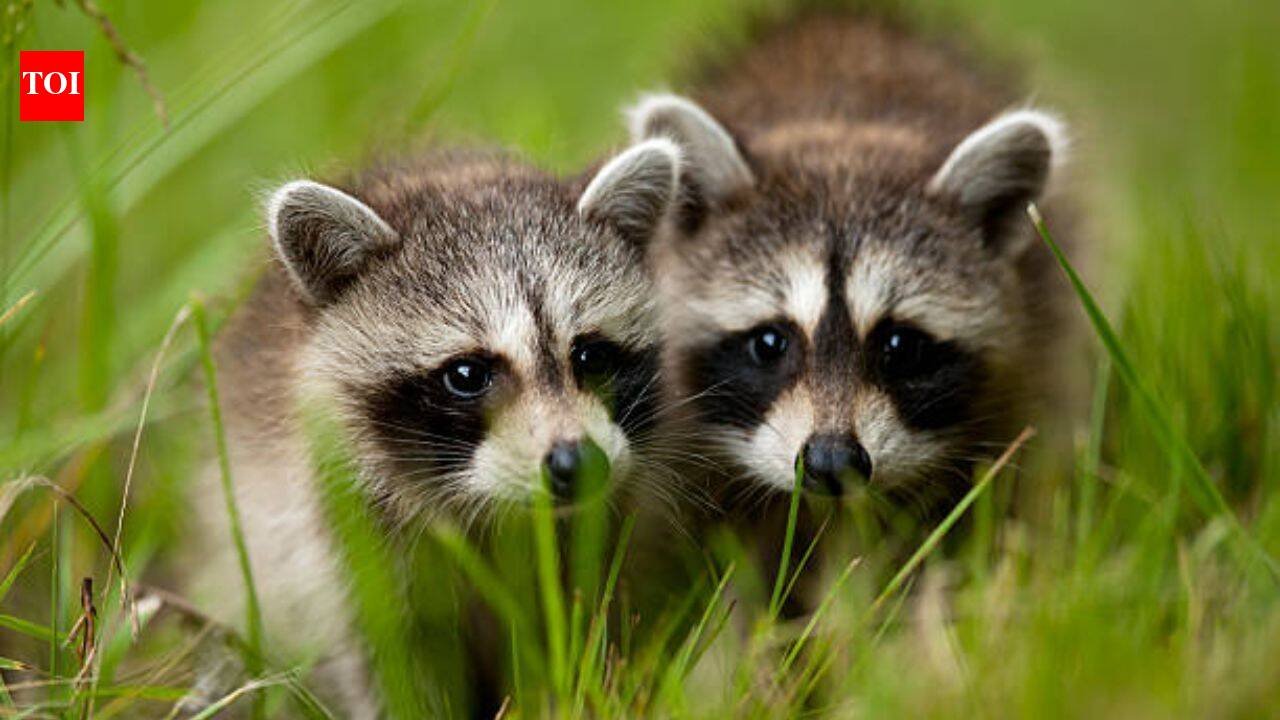

Raccoons are loved by some, despised by others. Some feed them nearby their homes and others keep weapons ready at their disposal. But in Germany they hold a reputation that exceeds any. Labelled as “bandits,” due to the distinctive black strip across their eyes, they regularly make headlines for breaking into hospitals, zoos, power plants and even homes, leaving little trails of destruction behind. Their arrival in the country holds a myth that has gone on for years. The urban legend goes that they were introduced to the country by Nazi commander and war criminal Hermann Göring. Yet archival research and modern ecological studies now tell a different story.
How did raccoons arrive in Germany?
Raccoons on the loose
While the Lake Edersee raccoons were the first to take steps in the wild in Europe, more soon followed. When Alain Frantz, zoology curator at the Luxembourg Museum of Natural History, began researching raccoons in 2011, he was already aware of another release, believed to have occurred in the dying days of the Third Reich, when Allied bombers hit a Brandenburg fur farm.The expert wanted to understand if today’s population really sprang from just those two small starter populations. Such a small group could lead to severe genetic abnormalities due to inbreeding. By sampling the DNA of more than 400 raccoons across Germany, Frantz found evidence of two further significant releases, leading to populations with different gene pools in eastern Saxony, near the Czech border, and in the Harz Mountains, in northern Germany.The German population is known to have spread across borders, with documented crossings into the Netherlands, the Czech Republic and Switzerland. In Central Europe, the population had grown 300% between the 1990s and 2018, expanding into new territory in cities and forests. They have been found as far afield as Spain, Sweden and Greece. There have also been ongoing escapes from captivity across Europe, including from an Italian zoo in the early 2000s.