
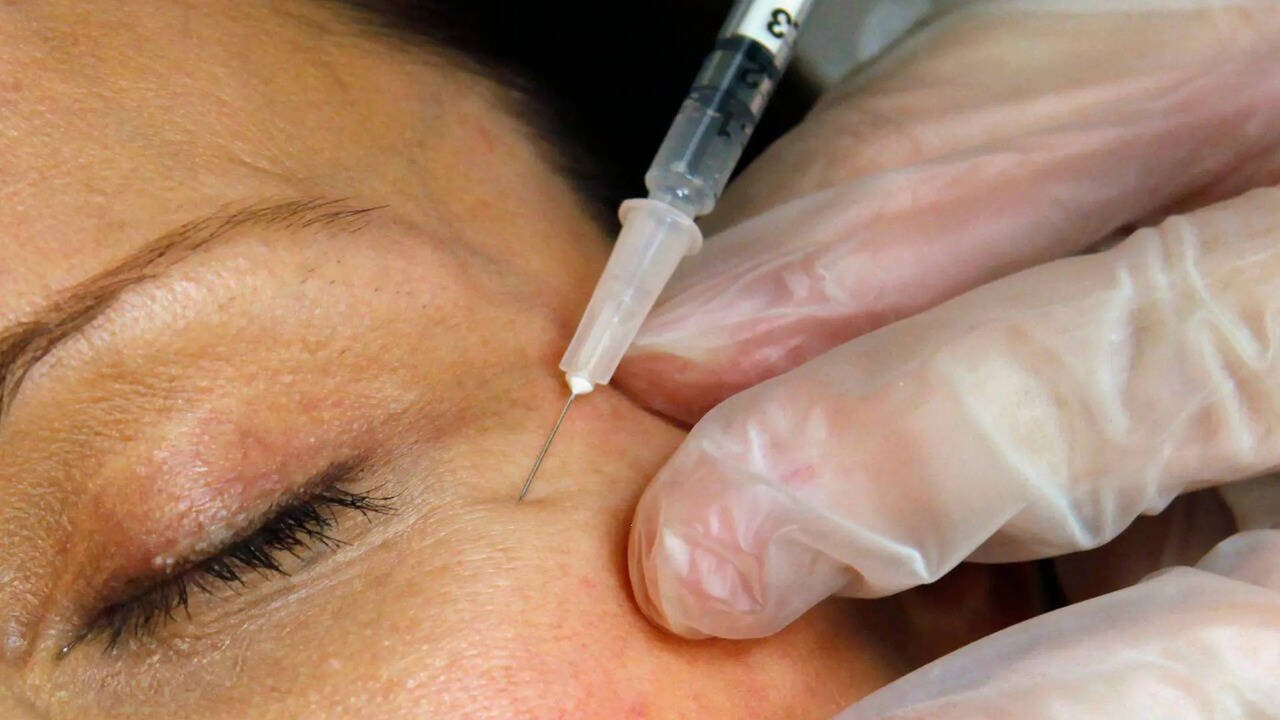
A new injectable cosmetic treatment made from fat extracted from donated cadavers is growing in popularity in the United States, with more than 2,000 patients using it since May 2025, according to its manufacturer.The product, called alloClae (pronounced “allo-clae”), is a “lunchtime breast enhancement product” that takes less than an hour to inject, requires no general anesthesia and has minimal recovery time. A 12.5cc syringe costs up to $2,250, and patients pay between $13,000 and $50,000 for treatment.
‘zombie stuffing ‘ is rising
The product uses “off-the-shelf” fat, which is cadaver tissue that has been processed to remove DNA, and is marketed as an alternative to traditional fat grafting, in which the patient’s own fat is removed through liposuction and transferred elsewhere.The rise of GLP-1 weight loss drugs such as Ozempic is driving demand as patients who have lost significant weight look to add volume to areas such as their breasts, buttocks and face.“These patients found that while they lost significant weight, they also experienced disfigurement in certain areas, and the actual target volume in those areas was reduced,” Caroline Van Hove, president of Tiger Aesthetics, which makes alloClae, told CNN. “In their mind, these areas define their femininity.”
moral issues and complications
Critics have raised ethical questions about profiting from body donation. “It’s really a betrayal of altruism in order to make money,” Arthur Caplan, a professor of bioethics at NYU Grossman School of Medicine, told CNN. “I think it’s a moral issue.”Some patients developed complications. One patient who received the $13,000 treatment developed fat necrosis (death of tissue) and noticed yellow fluid oozing from her injection site. “It looks greasy, chunky and yellow,” she added.Tiger Aesthetics said there had been no confirmed cases of graft rejection or infection, adding that “technique is very important” with the injection. New York State has banned distribution of the product, and Tiger Aesthetics filed a lawsuit against the state’s Department of Health.