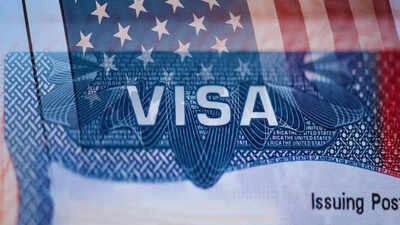
The United States has introduced a new requirement for visa applicants to state that they have no fear of persecution in their home country, part of a broader effort by the Donald Trump administration to tighten immigration and limit potential asylum seekers.The directive was issued in a diplomatic cable sent to all U.S. embassies and consulates this week, CNN reported. Against this backdrop comes a series of broader immigration policy changes that significantly increase scrutiny of travelers seeking to enter the United States.The new rules apply to non-immigrant visa categories, including tourists, students and temporary workers. It builds on previous steps taken by the government, which has stepped up investigations of student visa applicants and temporarily suspended certain immigration decisions to comply with the latest safety guidance.In January, the United States also suspended immigrant visa processing for nationals of 75 countries as part of its broader review of entry procedures.According to the directive issued, consular officers are now required to ask applicants two specific questions:
- Have you suffered harm or abuse in your country of nationality or last habitual residence?
- Are you worried about being harmed or ill-treated when you return to your country of nationality or permanent residence?
The directive states that applicants must answer “no” to both questions in order to proceed with visa processing.“Consular officers must prevent visa applicants from abusing the immigration system by misrepresenting the purpose of their travel, including those seeking to obtain a nonimmigrant visa to apply for asylum upon arrival in the United States,” the directive states.A U.S. State Department spokesperson said consular officers play a critical role in national security.“Consular officers are the first line of defense for U.S. national security,” the spokesman said, adding that the department “uses all available tools and resources to determine each visa applicant’s eligibility under U.S. law.”Under U.S. law, only individuals who are in the country and fleeing persecution on political, racial or religious grounds can apply for asylum.However, experts are concerned about the impact of the new directive.Immigration policy consultant Camille Mackler said the requirement could put applicants in a difficult position.“It’s going to put people in a very bad, terrible position, having to make choices that ultimately affect their safety and the safety of their families,” she said.She added that the policy could also force some people toward unsafe immigration routes. “I also think it pushes people into unsafe avenues and unsafe routes because if you need to leave, you leave and do whatever you need to do,” she said.