
Home Blog Page 822

Silicon Valley-style fallout: Türkiye’s Getir founder sues Abu Dhabi’s Mubadala for $700m betrayal, Uber adds fuel to fire

0

Silicon Valley-style fallout: Türkiye's Getir founder sues Abu Dhabi's Mubadala for $700m betrayal, Uber adds fuel to fire
Türkiye’s Getir seeks $700m from Abu Dhabi investor Mubadala in bitter breakup

The ongoing dispute between the once-famous delivery startup and its largest delivery company has escalated significantly. investorNazım Salur and Serkan Borançılı, co-founders of Turkish food and grocery delivery startup Getir, have filed a $700 million lawsuit against Abu Dhabi’s Mubadala Investment Company, accusing the sovereign wealth fund of violating a 2024 restructuring agreement by withholding key assets it committed. The claim, filed at London’s High Court, marks a dramatic escalation in one of the express delivery industry’s most high-profile legal disputes.Just days ago, Mubadala agreed to sell Getir’s core food delivery business in Turkey to Uber The technology is worth about $335 million, underscoring a serious deterioration in relations between the Turkish company’s founder and its Emirati backers.

What’s happening between Turkish food and grocery delivery startup and Abu Dhabi investors

The lawsuit centers on a June 2024 restructuring agreement under which Mubadala, which gained majority control of Getir’s Turkish operations, agreed to transfer a specific set of assets to the founders as part of the company’s restructuring. These include international units, notably Getir Finance, a technology-driven financial platform valued at about $510 million last year.However, Salur and Borançılı argue that only the least profitable elements, such as FreshDirect, a New York-based grocery delivery business, and n11, an online commerce platform, were handed over to them, while valuable strategic assets like Getir Finance were never transferred as promised. The lawsuit alleges that Mubadala and its affiliated entities conspired to violate those terms, resulting in a significant erosion of the founders’ control and value.The original agreement envisaged complete separation and control of Getir’s profitable technology and international divisions, but the final offer made in December 2024 “deviated significantly from these terms” and was very detrimental to Salur and Borançılı, the founders’ lawyers said. Mubadala has yet to file a defense in the case.

Getir, from pandemic surge to post-pandemic struggles

Understanding this legal conflict requires context for Getir’s meteoric rise and recent challenges. Founded in Istanbul in 2015, Getir became one of the earliest players in the fast commerce delivery space, providing ultra-fast grocery and food delivery through on-demand app order fulfillment, and its valuation soared to nearly $12 billion in 2022.

Türkiye's Getir seeks $700m from Abu Dhabi's Mubadala as Uber takeover shakes things up

Türkiye’s Getir seeks $700m from Abu Dhabi’s Mubadala as Uber takeover shakes things up

However, like many pandemic-era innovators, the company faced a downturn once demand normalized and investors cooled valuations on high-growth tech. The company subsequently scaled back its operations outside Turkey and Europe and restructured with Mubadala’s support, culminating in a major organizational breakup aimed at realigning its operations for long-term sustainability.Getir has been the subject of several major investor moves in recent months, including the sale of its Turkish delivery business to Uber, a deal that further highlighted Mubadala’s shift in strategy and arguably exacerbated the founders’ dissatisfaction with the progress of the overall plan.

Getir’s legal and strategic interests: Why this matters now

This $700 million lawsuit is significant for several reasons:

  • Billion-dollar technology dispute – One of the largest legal disputes involving a post-pandemic delivery platform pits a startup founder against a major sovereign wealth fund, highlighting the complex dynamics of founder-investor relationships when rapid scale meets long-term strategic disagreements.
  • Control of High Value Assets – At the heart of the legal battle is control of Getir’s technology and future revenue streams, specifically Getir Finance. If the founder is successful, this could mean recouping those assets or receiving a hefty compensation, which is a major victory in situations where the value promised dwarfs the value delivered.
  • Wider market impact – The lawsuit comes as global express delivery and logistics companies are reassessing profitability and strategic direction after the coronavirus pandemic, with companies consolidating, pivoting or exiting the market entirely. A ruling in London could have implications for venture capital, startup governance and cross-border investment norms.

Uber deal and aftermath: Adding fuel to the fire

Legal timing is critical. Just last week, Uber confirmed it would acquire Getir’s food delivery business in Turkey from Mubadala for about $335 million, a move that not only solidifies Uber’s position in a key market but also leaves open questions about how the remainder of Getir will be managed and monetized.

Türkiye's Getir vs. Abu Dhabi's Mubadala: A $700 million battle breaks out after Uber steps in

Türkiye’s Getir vs. Abu Dhabi’s Mubadala: A $700 million battle breaks out after Uber steps in

The sale appears to have deepened the founders’ dissatisfaction with Mubadala’s stewardship, with Sarroor and Bolansili feeling the spirit of the restructuring deal had not been respected, particularly as strategic parts of the business changed hands. Their decision to sue now shows they believe they have a strong case and significant leverage, even as their companies’ valuations and operating footprint have shrunk from their pandemic highs.

What happens next?

The case is being heard at London’s High Court and will unfold over months, if not years, as legal teams from both sides present evidence about contractual obligations, alleged breaches and the precise nature of asset transfers. Mubadala’s response, which has yet to be submitted, will be crucial in shaping the next chapter. Investors, entrepreneurs and analysts will be watching closely because the outcome could affect how future startups negotiate restructuring deals with deep-pocketed strategic investors, especially sovereign wealth funds, whose incentives sometimes differ from the founders’ vision.Founders Nazım Salur and Serkan Borançılı are suing Mubadala Investment Company for at least $700 million, claiming that promised assets were withheld during a 2024 restructuring. The dispute centers on alleged breaches of the restructuring agreement, involving valuable units such as Getir Finance, while only less profitable entities were transferred. Earlier, Uber acquired Getir’s Turkish delivery business for about $335 million, a move that heightened tensions. The legal battle highlights deep issues between startup founders and large strategic investors, with implications for future spinoffs and restructuring deals in the global technology industry.
‘Tughlachi Committee’ to work on BJP’s behest: Mamata intensifies SIR attack on EC | India News

0

'Tughlaq Committee' works on PPP behest: Mamata intensifies SIR attack on EC
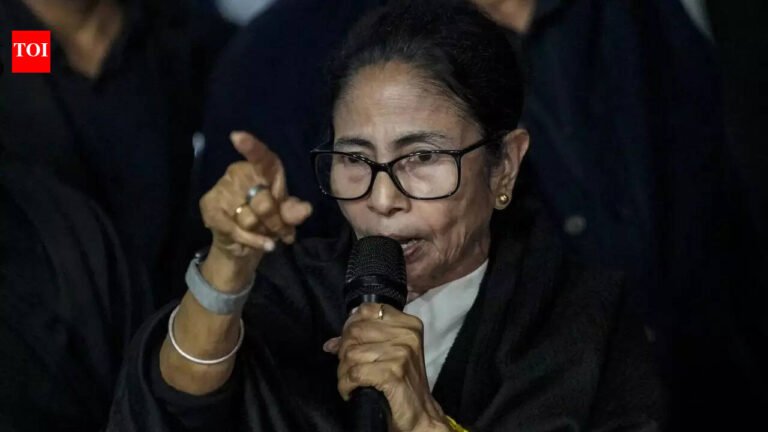
West Bengal CM Mamata Banerjee (PTI Photo/File)

New Delhi: The escalating showdown between the West Bengal government and the Election Commission over the revision of electoral rolls shows no sign of cooling down, the chief minister said Mamata Banerjee Accused pollsters of being “run by political parties”, an apparent allusion to the ruling bjp.In fierce attack on Election Commission, Mamata Didi Call the body the “Tughlaqi Committee.” The term “Tughlaqi” comes from Muhammad bin Tughlaq, the 14th century ruler of Delhi who is remembered for taking sudden, impractical and ill-planned decisions.CM Mamata accused the Election Commission of treating common people as terrorists and alleged that the poll body has been flouting the Supreme Court order on Special Intensified Amendment (SIR) and “targeting voters and undermining democracy”.Mamata also made explosive remarks in the ongoing SIR in West Bengal, alleging that a woman functionary of the BJP’s IT cell “used artificial intelligence to delete the names of 58 lakh voters in Bengal”.The TMC chief said in Bengal that “160 people lost their lives due to SIR anxiety and work stress”.Mamata said her government would “100 percent protect” Bengal government officials if the Election Commission “punishes” them.Her remarks came a day after the Election Commission took the unprecedented step of suspending seven Assistant Electoral Registration Officers (AEROs) involved in the SIR exercise in Bangladesh for “serious misconduct, dereliction of duty and abuse of statutory powers”.The committee also directed the Bengal chief secretary to ensure that disciplinary proceedings are initiated against them by the respective cadre control authorities and sought notification of the matter. Unlike the previous situation where the Commission asked the Bangladesh government to suspend “erroneous” EROs and AEROs, this time the EC has resorted to its powers under Section 13CC of the RP Act, 1950 and as per the terms of settlement reached between the Commission and the Centre.According to sources, it was observed that all these officials, while reviewing the cases for final announcement, cleared multiple cases despite non-submission of documents and inconsistency in distribution and eligibility of voters and failed to take corrective action, thereby approving ineligible cases and abusing statutory powers.Last week, the Supreme Court said it would not allow any “impediment” to the particularly intensive revision of electoral rolls being carried out by states. The Supreme Court is hearing a slew of petitions related to the West Bengal SIR, including one by Mamata Banerjee, challenging the way voters are classified in the “logical difference” list.

Who is Vodra Yashasvi Kothapalli? ICE detains Indian man in New Jersey for sexual assault, shoplifting involving minor

0

us migrant Officials arrested an Indian citizen, Vodela Yashaswi Kottapalli, who faces multiple criminal charges, including alleged sexual assault of a minor, according to authorities. The arrests come amid a surge in U.S. immigration enforcement operations and a general increase in deportations of Indian nationals.

Vodela Yashaswi Kottapalli faces charges of child sexual assault and shoplifting. (X@ICEgov)

Also read: Jesse Jackson Family and Net Worth: What We Know About His Wife, Children, and Romance with His Assistant

Who is Vodra Yashasvi Kothapalli? Indian man detained over shocking accusations

In addition to charges related to theft and public disorder, Kotapally also faces charges of sexual assault of a minor under 13 years of age. In a statement shared on social media, ice Calling him a “criminal illegal alien from India” and confirming that he has been living in the United States without legal authorization.

“Vodela Yashaswi Kottapalli, an illegal immigrant from India, faces pending sexual assault and theft charges in New Jersey,” ICE said, noting that the charges include shoplifting, public disorder and sexual assault of a minor under 13 years of age.

The agency also released a photo of the suspect, prominently labeled “child rapist.”

Will the United States deport Vodela Yashaswi Kottapalli?

Authorities announced that Kotapally would remain in custody as immigration officials began deportation actions against him.

“We will continue to detain him pending deportation proceedings,” ice said this was an indication that he would not be released throughout the legal proceedings related to his deportation.

Under U.S. law, non-citizens charged with certain criminal offenses, particularly serious crimes involving minors, may be held in immigration detention while the criminal case moves through the judicial system.

‘Imran Khan should be treated with dignity’: 14 world captains back him; Pakistan star missing – full list | Cricket News

0

'Imran Khan should be treated with dignity': 14 world captains back him; Pakistan star missing - full list
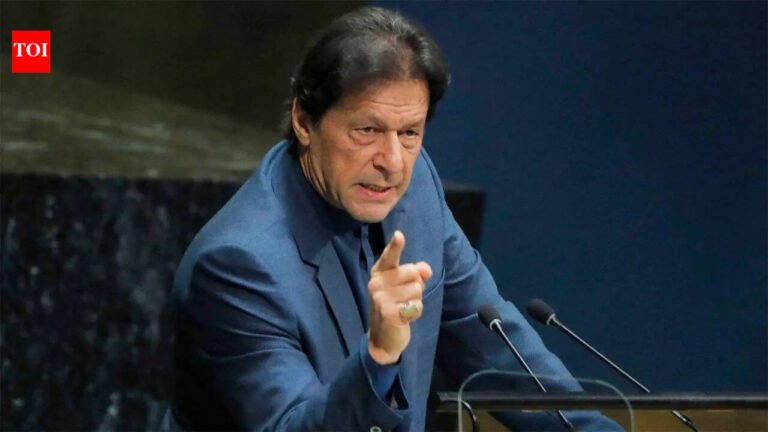
Imran Khan (Photo: AFP)

New Delhi: Great Man of India Sunil Gavaskar and Kapil Dev Fourteen former international captains, including 14, have expressed “deep concern” over the deteriorating health of the jailed cricketer-turned-politician Imran Khan. In a joint appeal, they called on the Pakistani government to ensure he is provided with adequate medical care and treated with dignity in line with international norms.According to reports, the 1992 World Cup-winning captain allegedly lost nearly 85 per cent of the vision in his right eye due to medical negligence while in Adiala Prison, Rawalpindi.

Suryakumar Yadav press conference: How Sky is fanning the flames of India-Pakistan rivalry

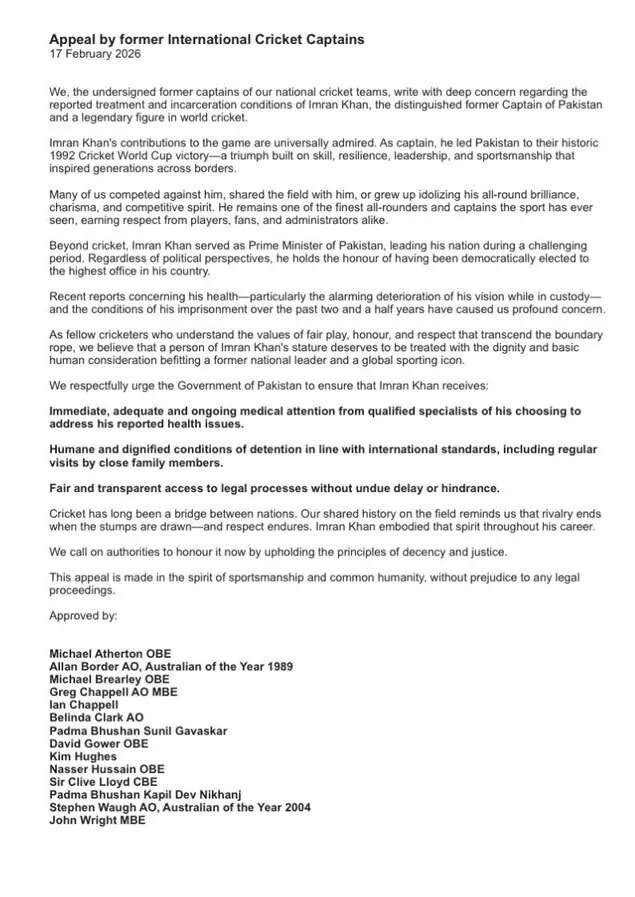
The organization sent a letter titled “Ex-International Cricket Captain’s Appeal” to the Pakistani authorities urging fair treatment of Khan. Notably, the signatories do not include a former Pakistan cricketer.“We, the former signatories of our national cricket team, express our deep concern at the treatment and conditions of imprisonment of Pakistan’s illustrious former captain and world cricket legend Imran Khan,” the letter said.“Recent reports about his health – particularly the alarming deterioration of his vision while in custody – and the conditions of his imprisonment over the past two and a half years cause us deep concern.“As cricketers who understand the values ​​of fair play, honor and respect beyond boundaries, we believe that a figure like Imran Khan should be treated with the dignity and basic humanity due to a former national leader and global sporting icon.”Also signing the appeal were Michael Atherton, Alan Border, Michael Brierley, Greg Chappell, Ian Chappell, Belinda Clark, David Gower, Kim Hughes, Nasser Hussain, Clive Lloyd, Steve Waugh and John Wright.

Image source:X

In 2023, Khan, who is also the Prime Minister of Pakistan, was sentenced to 14 years in prison in a corruption case.The former captains called for comprehensive medical care, a transparent legal process and humane conditions for the 73-year-old.“We respectfully urge the government of Pakistan to ensure that Imran Khan receives: Immediate, adequate and ongoing medical care from a qualified specialist of his choice to address his reported health concerns.“Humane and dignified conditions of detention consistent with international standards, including regular visits by close family members. Fair and transparent access to legal proceedings without undue delay or obstruction.“Cricket has long been a bridge between nations. Our shared history on the field reminds us that when a winner is decided, rivalry ends and respect endures. Imran Khan has embodied this spirit throughout his career.”The letter further urged authorities to uphold the principles of “decency and justice.”“This appeal is made in the spirit of sportsmanship and common humanity and without prejudice to any legal process.”It also highlights Khan’s legacy as a cricketer and political leader.“Imran Khan’s contribution to cricket is universally appreciated. As captain, he led Pakistan to a historic victory at the 1992 Cricket World Cup, a victory built on skill, resilience, leadership and sportsmanship that inspired generations across borders.“Many of us competed against him, played alongside him or grew up idolizing his all-around talent, charisma and competitive spirit. He remains one of the best all-rounders and captains the game has ever produced, commanding the respect of players, fans and administrators alike.“Beyond cricket, Imran Khan has served as Prime Minister of Pakistan, leading his country during challenging times. Regardless of political views, he is honored to have been democratically elected to the country’s highest office.”

New Bangladesh government: Hindu leader in Tariq Rahman cabinet – Who is Nitai Roy Chowdhury?

0

New Bangladesh government: Hindu leader in Tariq Rahman cabinet - Who is Nitai Roy Chowdhury?
Nitai Roy Chowdhury (Photo/X@sams_samun)

Senior Bangladesh Nationalist Party (BNP) leader Nitai Roy Chowdhury, a prominent Hindu minority figure and veteran politician, was sworn in as a minister on Tuesday as Bangladesh’s new government took office.His induction into the 50-member cabinet marks an important moment for minority representation in the BNP-led government.The oath-taking ceremony was held at the South Square of the National Building, where President Sahabuddin swore in Prime Minister Tariq Rahman and his cabinet members. BNP leader Rahman was sworn in earlier in the day, officially beginning the party’s return to power after nearly two decades.The BNP received a decisive mandate in the recent general election, the first national polls to be held since former Prime Minister Sheikh Hasina stepped down in 2024. The party won 209 seats, while its allies gained three more, giving the alliance a clear majority in the 300-member parliament.Rehman is the son of former Bangladesh Prime Minister Khaleda Zia and former President Zia Rehman, becoming the first democratically elected male prime minister of Bangladesh in 35 years. He returned to his homeland after 17 years in exile and led the BNP to victory. The new cabinet consists of 25 ministers, 24 state ministers and 3 technocrats.According to Prosamalo, senior leaders including Mirza Fakhrul Islam Alamgir, Amir Hasrul Mahmood Chaudhry, Salahuddin Ahmed, Iqbal Hassan Mahmood (Photo Gallery) and Major Hafiz Uddin Ahmed (retd) were also sworn in as members of the cabinet. Lok Sabha Speaker Om Birla attended the ceremony on behalf of India and expressed his engagement with the new government.

Who is Nitai Roy Chowdhury?

Nitai Roy Chowdhury is a veteran Bangladeshi politician and lawyer who has played an active role in national politics for decades. He was born on January 7, 1949 in Khatbaria village of Mohammadpur in Magura district and completed his education at Alokdia Pukhuria High School and Government College Magura before graduating from Dhaka University. He later entered the legal profession.Chaudhry started his political journey in the Chhatra League during his student days. According to tritiyomatra.com, in the fourth National Assembly elections in 1988, he was elected as a member of the Magura-2 constituency on the Jatiya Party ticket. During this period he served as Chairman of the Magura District Council at the ministerial level and later as Minister of State for the Ministry of Education, Youth and Sports, Law, Justice and Parliamentary Affairs. He also served as Minister of Youth and Sports from September 9, 1990 to December 6, 1990.After the collapse of King Ershad’s government, Chaudhry joined the BNP and gradually rose through the ranks of the party. He served as vice-president of the BNP and was regarded as a senior adviser and strategist to the party’s top leadership. He is also a member of the BNP’s Supreme Decision-Making Standing Committee.According to BSS, in the 13th Lok Sabha election, Chaudhry was elected from Magura-2 constituency with 1,47,896 votes, defeating Jamaat-e-Islami Bangladesh candidate Mustashid Billah who got 1,17,018 votes. The results were declared by Senior Secretary of the Election Commission Akhtar Ahmed at the Result Collection and Dissemination Center in Agargaon.Chaudhry was one of four minority community candidates, including two Hindu leaders, to win the election, the other being Goyeshwar Chandra Roy who won from the Dhaka seat. Bangladesh has a population of nearly 170 million, of which Hindus account for about 8%.His inclusion in the new cabinet is seen as part of the BNP government’s engagement with minority communities at the start of its five-year term.

Delhi University bans campus for protest for a month amid backlash over UCG equity guidelines India News

0

Delhi University faces backlash over UCG equity guidelines, bans campus protests for a month

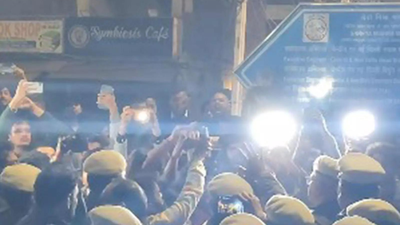
New Delhi: Delhi University on Tuesday banned rallies, marches and protests on campus for a month, citing law and order concerns days after clashes over new equity guidelines issued by the University Grants Commission.The order was issued by the DU proctor following a face-off between student groups during protests demanding implementation of the UGC’s fairness regulations, which have been stayed by the Supreme Court.“This order is issued in light of information received that unrestricted public gatherings, processions or demonstrations on campus may cause traffic obstruction, endanger life and disturb the public peace.” In the past, organizers have often failed to control such protests, resulting in them escalating and spreading widely and worsening law and order on university campuses. “The notice said.The order prohibits any public meeting, assembly, dharma, protest or agitation; gathering of five or more people; carrying dangerous materials such as mashaals, beacons or torches; shouting slogans or delivering speeches; and engaging in activities that disturb public peace or traffic order.Tensions arose on Friday as rival student groups accused each other of violence and intimidation during a protest in support of the UGC’s fairness code. The left-backed students union AISA said some students were allegedly threatened and casteist abused by members of rival groups, ANI reported.The ABVP refuted the claims, claiming that a female journalist associated with a YouTube channel was attacked by left-wing pro-activists. According to ANI, the journalist claimed that she was targeted by the mob. “The whole crowd came towards me and attacked me. This is clear in the video. Around 500 people attacked me. They just made up narratives and accusations. Girls around me whispered rape threats in my ear just because I was a Brahmin; this is what they said: ‘aaj tu chal, tera nanga parade niklega’.Earlier, DU vice-chancellor Yogesh Singh appealed for calm. “I request all the teachers and students of Delhi University to maintain harmony. Not to engage in any activities that aggravate mutual discord and harm the image of the country and the university. The incident that happened at Delhi University yesterday is worrisome. Students from all states and communities of India study in the university. Social harmony is the greatest thing and maintaining it is the responsibility of all of us. ” he said in a statement shared on the UniversityX account.On January 29, the Supreme Court had stayed the UGC (Promotion of Equity in Higher Educational Institutions) Regulations, 2026, holding that Section 3(C), which defines caste-based discrimination, is “totally vague” and can be misused. “The language needs to be revised anew,” the court said, adding that the UGC provisions of 2012 will continue to apply for now.The new rules have been introduced to curb caste-based discrimination and require higher education institutions to set up special committees and helplines to handle complaints from students belonging to the Scheduled Castes, Scheduled Tribes and Other Backward Class categories.

Who is Kurt Van Dyke? California surfing legend killed with zip tie by girlfriend in Costa Rica

0

Kurt Van Dyke, famous surfer californiawho was tragically suffocated and stabbed to death following an apparent burglary at his residence in Costa Rica.

Kurt Van Dyke, a famous surfer from California, died during a home invasion in Costa Rica. The 66-year-old man was suffocated and stabbed, while his girlfriend managed to escape. (Facebook/Kurt Van Dyke)

Dyke, 66, was found dead with a sheet covering his head, but his girlfriend Arroyo, 31, survived the attack.

In a statement, Costa Rica The Judicial Investigation Service confirmed that Van Dyke’s girlfriend was not seriously injured.

The distressing incident occurred at around 10:50 a.m. on Saturday in the old port of Talamanca, a popular tourist destination. The area is generally considered safe and the incident caused significant distress within the community.

Kurt Van Dyke dies in Costa Rica: Here’s what Arroyo says

The surfer was taking a shower when two armed assailants broke into the apartment and held the couple at gunpoint.

Arroyo reported that the intruder restrained her hands and feet, assaulted her, and ultimately murdered her boyfriend.

The entire incident lasted only a few minutes before the thieves escaped with several belongings, including a 2013 Hyundai Elantra.

Dyke’s body was found under his bed with a bloody knife beside him.

Also read: Who is Vodra Yashasvi Kothapalli? ICE detains Indian man in New Jersey for sexual assault, shoplifting involving minor

Kurt Van Dyke’s cause of death revealed?

Currently, his body has been sent to the morgue to accurately determine the cause of death.

“He was suffocated and had multiple stab wounds,” said Carlos Valverde, a spokesman for Costa Rica’s judicial investigative agency.

His brother, Peter Van Dyke, told the outlet san francisco Chronicle: “My brother was a very kind, giving man who would help almost anyone. Kurt would never hurt anyone and was always there when you needed him. Everyone he met knew that about him.”

Kurt van Dyke background

Originally from Santa Cruz, California, Van Dyke has gained recognition in the surfing community for his competition participation and role in promoting the sport in the Caribbean.

After living in the Caribbean for many years, he won the title of “King” among surfers with his excellent skills in riding huge waves.

His father, Gene Van Dyke, was a pioneer of the sport in Northern California, while his mother, Betty, was instrumental in paving the way for female surfers in the 1950s and 1960s.

‘Vaibhav Sooryavanshi has been marked absent’: Principal to appear for Class 10 board exams – Watch | Cricket News

0

'Vaibhav Sooryavanshi has been marked absent': Principal to appear for Class 10 board exams - Watch
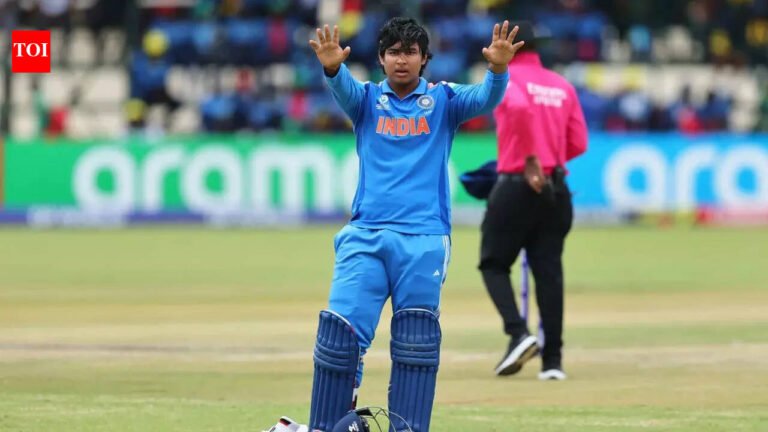
Vaibhav Sooryavanshi (ICC Photo)

India’s teenage batting star Vaibhav Sooryavanshi skipped this year’s Class 10 board exams as cricket remains the priority in his burgeoning career. The CBSE Class 10 exams began on February 17 and continued till March 11, but despite completing all formalities, the youngster was absent from the exam day.According to the school authorities, Vaibhav’s examination form has been submitted and the admit card has been officially issued. The center he designated was Poddar International School. However, he did not report for the newspaper.

Thomas Draca Exclusive: Hardik Pandya, the ‘special’ pendant and T20 World Cup dreams

Confirming his absence, Poddar International School principal NK Sinha said, “Vaibhav Suryavanshi is absent today. He has not come to the exam center yet. As per CBSE policy, we have marked him as absent. If the student does not take the exam, “Absent” must be entered. Humaine wishes he could come and take the exam, but he has other responsibilities. It can be a cricket match or a practice session. I think he will definitely take the exam next time. “In Vaibhav’s absence, he is enjoying the purple patch with the bat. He emerged as India’s leading run-scorer and second-highest run-scorer in the recently concluded 2026 Under-19 World Cup. In seven innings, he scored 439 runs at an average of 62.71 and an astonishing strike rate of 169.50, including one three-fifty.He ended the match in style with a knock of 175 off 80 balls in the final, an innings that featured 15 fours and 15 sixes. The knock earned him Man of the Match and Man of the Series honors.Vaibhav will now represent rajasthan royals Participated in IPL 2026 under the captaincy of Riyan Parag. Last season, he scored 252 runs in 7 games, including a stunning 35-ball hundred against the Gujarat Titans.

Asteroids, Comets and Meteors: What is the difference between asteroids, comets and meteors?

0

What is the difference between asteroids, comets and meteors?

The space around the sun contains more than just planets. Scattered among them are smaller objects made of rock, metal, ice and dust. These objects move along their own paths, sometimes passing quietly past Jupiter and sometimes coming closer to Earth. Terms like “asteroid,” “comet” and “meteor” are often used loosely in conversation, but they describe different stages or types of matter in the solar system. Scientists track them not only out of curiosity, but also for safety and long-term research. Observatories and space agencies, including NASA, monitor thousands of such objects every year. Some are remnants of planet formation 4.5 billion years ago. Others are collision debris. Together they form a record of how the solar system developed.

asteroid and comet and meteor: Understand how they differ in origin, composition, and behavior

Asteroids, comets and meteors are often grouped together, but they are not the same. They differ in their composition, where they travel, and how they appear when viewed from Earth. Some are still moving silently through space as bodies of rock or ice, while others flash briefly across the sky as bright bands of light. Understanding these differences can provide insights into how the solar system formed and how it evolved over time.

category what is it what is it made of where to find it What happens near Earth
asteroid A small rocky or metallic object orbiting the sun rock and metal Most of the asteroid belt lies between Mars and Jupiter, although some moves closer to Earth Remains solid in space; may be tracked if it crosses Earth’s orbit
comet icy body orbiting the sun ice, dust and rocks Formed in the outer solar system beyond Jupiter Ice turns to gas near the Sun, creating a glowing coma and long tail
meteor a light in the sky Produced by burning meteoroids Occurs in Earth’s atmosphere Meteors appear when debris burns

Asteroids are basically what’s left of a planet when it first formed

Asteroids are small objects orbiting the sun, usually made of rock and/or metal. Most are found in the asteroid belt between Mars and Jupiter, while some have various orbital paths that take them close to Earth. Typically, their average size exceeds one meter, and many are very irregular in shape.Because asteroids have changed little over billions of years, they are thought to be repositories of the most primitive material since the formation of the solar system. Spacecraft such as OSIRIS-REx collected samples from these bodies and brought them back to Earth for examination in a laboratory.

Comets are mostly composed of ice, and they produce glowing comas and tails

Comets are like snowballs in the solar system, coming from the icy outer parts of the planet beyond Jupiter. They are a mixture of ice, dust and small rocks. As the comet approaches the Sun, heat from the Sun causes the ice to sublime (change from solid to gas). This results in the release of dust and the formation of a cloud of gas and dust called a coma around the nucleus. Comet tails can be millions of kilometers long, and they always point away from the sun. A comet is faint and distant for most of its orbital period. Only when they are close to the inner solar system do they become active and bright enough to be seen.

Meteoroids, meteors and meteorites depict different stages space debris

Meteoroids are smaller fragments of rock or metal in space, typically less than a meter in size. Many originate from debris shed by asteroid collisions or comets.When a meteoroid enters Earth’s atmosphere at high speed, friction heats it and creates bright streaks of light. Such streaks are called shooting stars, and are often referred to as shooting stars. Most were completely burned. If a part survives and reaches the ground, the remaining part is called a meteorite.

near earth object Tracked for planetary defense

Some asteroids and comets pass within 50 million kilometers of Earth’s orbit. These are called near-Earth objects. Large ones are rare and most have already been identified. Smaller objects are more numerous and harder to detect. Monitoring continues through telescopes and survey programs. The job is stable and technical. Most of this was done in observatories under ordinary night skies and went unnoticed.

‘From arsh to farsh’: Mani Shankar Aiyar’s ‘Rahulian’ outbreak and ‘uncle’ syndrome | India News

0

‘From arsh to farsh’: Mani Shankar Aiyar’s ‘Rahulian’ outbreak and ‘uncle’ syndrome

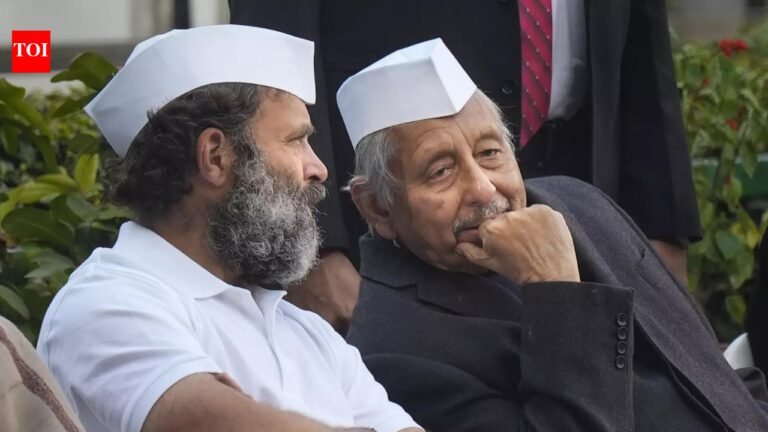
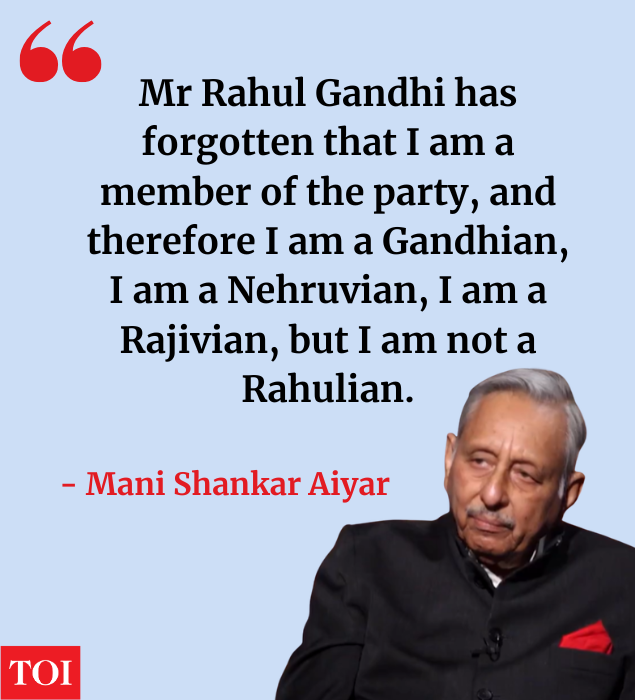
New Delhi: Being a senior leader Mani Shankar Aiyar Declaring that he is a “Gandhian, Nehruvian, Rajite, but not a Rahulite” may, at first glance, sound like another round of his familiar provocations. But this statement is based on congressAn attempt to show discipline and unity ahead of crucial parliamentary elections soon triggered a larger debate within the great old party over ideology, authority and dissent.The Congress party was quick to distance itself from Aiyar’s remarks and said the leader had no connection with the party. But is Aiyar just indulging in rhetorical rebellion, or is he pointing out the real story of how Congress has changed “underneath”? Rahul Gandhi?Rasheed Kidwai, a political analyst and chronicler of Congress, believes there is “some truth” in Aiyar’s claims, but not in the way the former minister imagined.

Mani Shankar Aiyar on Rahul Gandhi.

Also read: Mani Shankar Aiyar returns, Congress ducks for cover again

From Nehruvianism to ‘civil society’ politics

“There is some truth to what Mani Shankar Aiyar said because the Congress has moved away from a Nehruvian way of looking at things to a Nehruvian ideology of civil society,” Kidwai explained.

Rahul Gandhi has not started over yet. He has three or four uncles who take care of him.

Rasheed Kidwai, author and political analyst

According to him, this transformation did not happen overnight. He believes that Congress has gone through three different ideological stages.“The previous Nehruvian thinking…the Congress moved away from Nehruvian thinking towards economic reforms, from the economic reforms of the days of Narseemhar Rao and Manmohan Singh Rao to more civil society thinking,” he said.

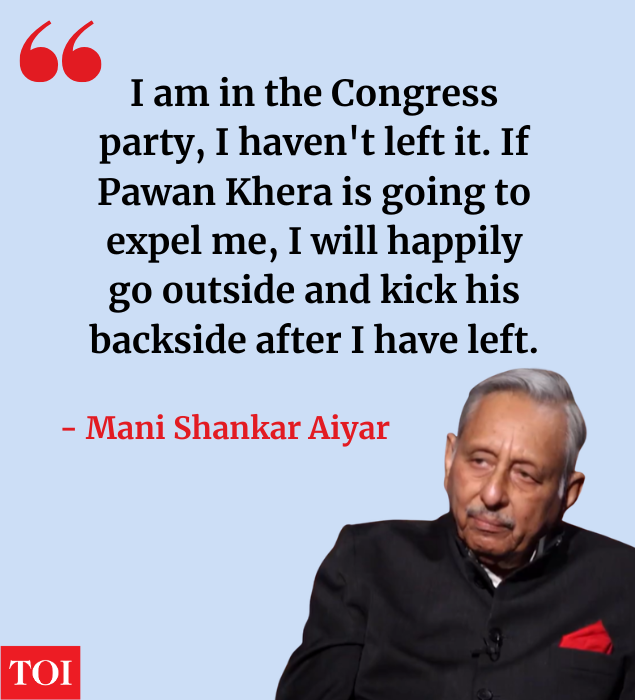
Mani Shankar Aiyar slams Pawan Khera.

Kidwai believes this shift helps explain why Aiyar’s attacks on “Rahul” politics have resonated in some quarters. The Congress “under Rahul Gandhi” did not operate within a strict ideological framework in the classical sense.“So what you see around Rahul Gandhi are people from civil society who are influencing him. So civil society does not have a dogmatic ideology,” Kidwai said.This lack of dogma, he argued, would have consequences for the party’s political response. Unlike the Nehruvian era, when ideology influenced policy, or the reform years, when economic pragmatism dominated, today’s Congress often appears passive and issue-oriented rather than programmatic.

The impact of “Jai Jagat”

Kidwai had earlier written about what he described as a growing “civil society” imprint within the Congress, particularly around Rahul Gandhi. This school of thought, he argued, prioritizes moral argumentation, decentralized activism, and individual agency over state-led or party-led political action.Kidwai writes that this direction gained traction through bodies such as the National Advisory Council during the UPA period under Sonia Gandhi and has now “almost taken over the party organization under Rahul Gandhi”.

Mani Shankar Iyer was completely isolated. No group, no leader inside or outside Tamil Nadu would agree with Mr. Mani Shankar Iyer’s views.

Rasheed Kidwai, author and political analyst

Civil society protagonists, often associated with the so-called “Jai Jagat” group, are said to be close to Rahul Gandhi and hold influential roles in the organization. Their emphasis on austere living, minimalism, and symbolic politics has become part of Congress’s contemporary aesthetic.However, as Kidwai noted in his earlier work, this culture was at odds with traditional Congress leaders who had risen through the ranks and understood politics as negotiation, organization, and power management rather than moral signaling.

Aiyar isolated within Congress

Aiyar has positioned himself as the guardian of the Congress party’s ideology, while Kidwai has been outspoken about his position within the party.“Mani Shankar Aiyar believed that he represented the ideology of the Congress party, whether it was Panchayati, foreign policy or pro-poor socialism… That won’t work. So Mr Aiyar had no takers,” Kidwai said.“Mr Aiyar is completely isolated. No group, no leader in or outside Tamil Nadu will support Mr Mani Shankar Aiyar,” he added.Kidwai contrasted Aiyar’s isolation with that of other Congress leaders who disagreed with Rahul Gandhi but retained organizational influence.“Shashi Tharoor and many others still have some influence in the Congress… Manish Tiwari et al. But no one will support Mani Shankar Aiyar,” he said.Kidwai believes that Aiyar’s paradox lies in his political identity. “Mani Shankar Aiyar became famous because of his loyalty to Rajiv Gandhi,” he said. “Now he is facing Rajiv Gandhi’s son, which is a bit of a contradiction,” Kidwai added.This contradiction is at the heart of Aiyar’s frustration.

Dissent, Discipline and “Uncle Syndrome”

Aiyar once again claimed that past Congress tolerated rebels while today’s leadership punished them. But is this true?“In most parties, when adversity strikes, they split,” he said, recalling the Congress split in 1967, 1969, post-1977 and party splits during and after Narasimha Rao’s time.Kidwai believes that what makes the post-2014 period unusual is not its intolerance but its tolerance.“What happened from 2014 to 2024 and now 2026 is very unique in that there was a long period of adversity but no division. 150 leaders left but the Congress was not divided,” he said.

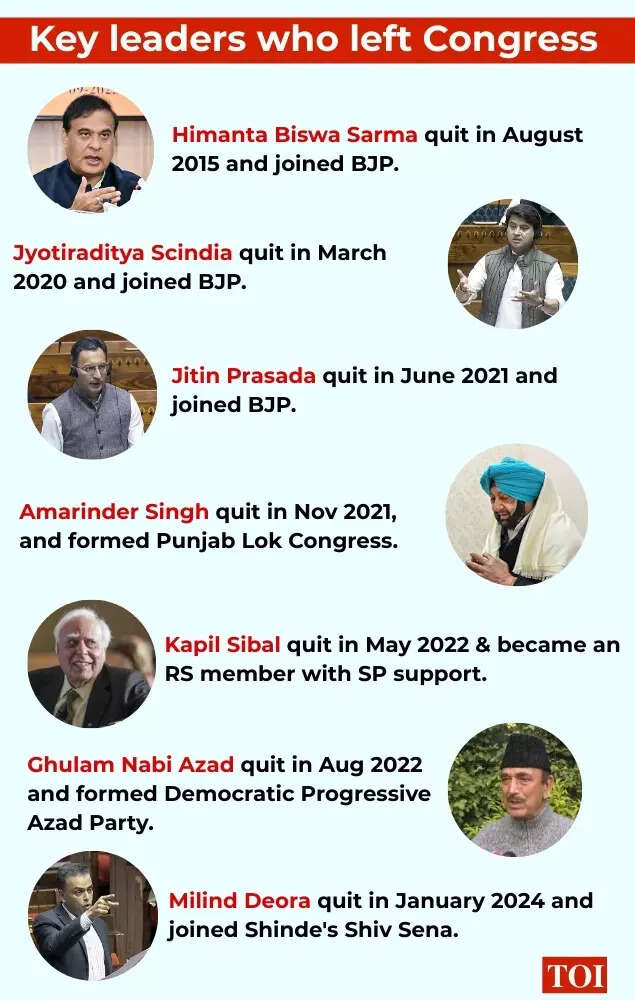
Key leaders leaving Congress

The result is a party burdened with the baggage of multiple generations of leaders.“Rahul Gandhi did not get a clean slate. He had three or four uncles looking after him,” Kidwai said. “Mani Shankar Aiyar was an uncle and he said – you are not doing the right thing.”Also read: The crisis of the old party – why Congress members parted waysEyal’s anger is deeply personal. “He felt that during the Rajiv Gandhi era, he was in the ‘arsh’, which means cloud line. And he is now in the farsh (ground),” he said.He added that Aiyar was not resigned to having less contact with the Gandhi family. “He was very hurt and angry about the whole thing,” Kidwai said.

Why Congress finally drew the line

Aiyar has made the Congress blush many times with remarks like “chaiwala” and “neech aadmi”. There is nothing new about the recent outbreak. So is Congress now taking action after all these years to make it clear that he has no affiliation with the party? Kidwai attributes this to changes in internal equations.“Mr Sam Pitroda and Mr Mani Shankar Aiyar are believed to be close to the family,” he said. This closeness once acted as an insulator.But Kidwai believes the cover has disappeared. “It is now known that he did not have the support of his family. So Mr Aiyar had a false cover … which has now been exposed,” he said.Kidwai noted that Pitroda, by contrast, remains protected. He said: “Mr Sam Pitroda remains in Rahul Gandhi’s good books, so no one talks about him.” Although, in Kidwai’s words, both men were “big mouths” whose remarks often “damaged the political interests of the Congress”.

Spin doctor without party

Kidwai traces Aiyar’s provocative instincts to his past.“Mr. Mani Shankar Aiyar was an original political opinion expert before the boom of social media and the internet,” he said, recalling Aiyar’s diplomatic career and his role as a key aide to Rajiv Gandhi.Kidwai believes that this instinct is still intact, but now operates independently of institutions.“He tried to get the attention of Sonia Gandhi, Rahul and Priyanka… but he didn’t get it,” Kidwai said.Kidwai believes that Aiyar’s use of the term “Rahulian” is part of this attention-seeking strategy rather than a serious ideological intervention.“He has the ability to spin and that’s what he’s doing,” Kidwai said.But is Aiyar’s warning justified?Although dismissive of Aiyar’s influence, Kidwai does not entirely deny his diagnosis.“There is an uncomfortable feeling, but it’s not palpable,” he said, referring to unease within the Congress over Rahul Gandhi’s reliance on civil society opinion rather than organizational consensus.He pointed out that campaign slogans and campaigns like “chowkidar chor hai” and “vote chori” were not examples of strategies that emerged from the party’s deliberations.“None of this stuff is coming from the Congressional organization,” Kidwai said.However, unlike Shashi Tharoor who secured 11 to 12 per cent votes in the 2023 Congress presidential elections, Aiyar does not have any followers.“Mani Shankar Aiyar will get zero points,” Kidwai said bluntly.Now, Aiyar has coined the new term “Rahuryan”, which Congress opponents may try to keep in mind. However, its founders may become further irrelevant.Aiyar may have been referring to something real, namely an ideological shift from structural doctrine to civil society politics. But Kidwai believes that in doing so, he is personalizing a shift that is bigger than Rahul Gandhi and older than Aiyar’s own grievances.Ultimately, Aiyar’s rebellion may say more about a veteran’s inability to accept that the party he once shaped can move forward without him than about the future of the Congress party.