World’s largest marine mammal rescue begins in Canada as 30 beluga whales moved from closed marine park over euthanasia fears World News

One of the largest marine mammal rescue operations in Canada’s history is underway as experts begin relocating 30 beluga whales from the now-closed Marine Parks Canada in Niagara Falls, Ontario. The ambitious mission comes amid fears the whales could eventually face euthanasia as funding for their care is reduced following the park’s closure in 2024. The first six beluga whales have been transported to accredited aquariums in the United States after undergoing extensive veterinary evaluations. Marine mammal experts, veterinarians and caregivers are overseeing every stage of the operation, which is expected to last several weeks before all 30 whales are safely moved to their new long-term homes.
Why 30 beluga whales are being moved to Canada
The rescue comes as Marine Parks Canada closes in September 2024 after years of controversy surrounding animal welfare allegations, legal challenges and declining visitor numbers. Although donations were initially used to care for the remaining whales, the funds eventually ran out. In October 2025, Marineland sought financial assistance from the Canadian government, warning it could no longer afford to feed and care for the marine mammals. Animal welfare advocates fear the whales may eventually face euthanasia if a permanent solution is not found, prompting an international rescue operation.
How a historic rescue mission unfolded
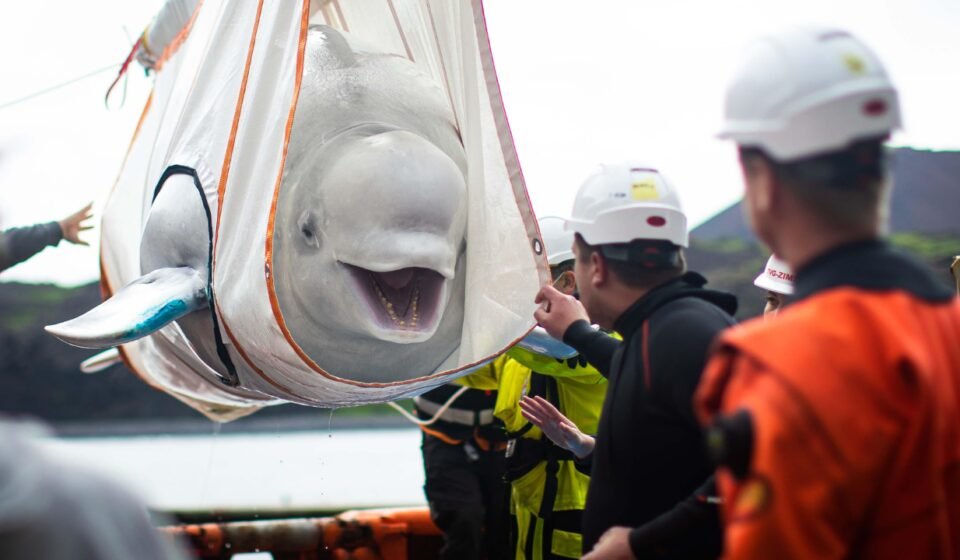
The relocation begins with six beluga whales leaving SeaWorld for their new homes in the United States. Prior to the trip, each whale underwent a detailed health check to ensure it was suitable for transport. The belugas were lifted using specially designed support slings and then placed inside custom-made cold water shipping containers. They were then trucked to Toronto Pearson International Airport and boarded a Qatar Airways Boeing 777 freighter under constant veterinary supervision.
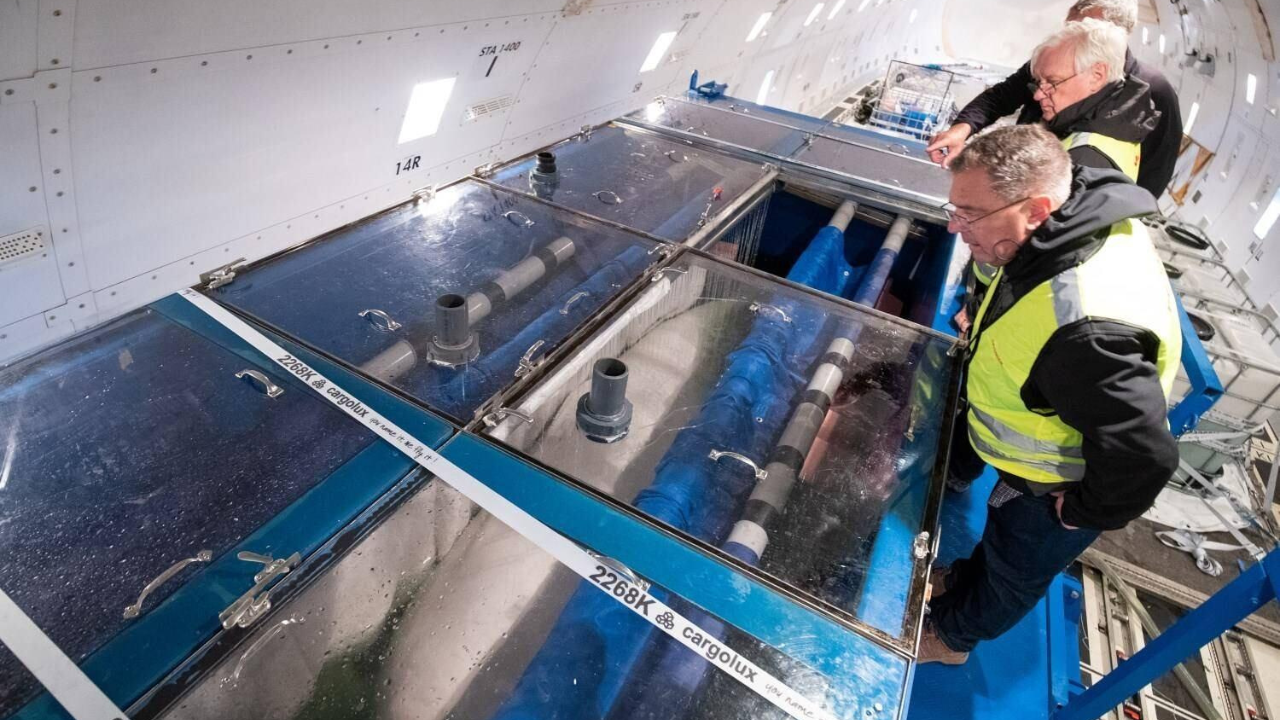
Each stage of the relocation is overseen by aquatic veterinarians, marine mammal trainers and animal care experts. Officials say the whales are never left unattended during transport, with caretakers constantly monitoring their breathing, hydration, stress levels and overall health. Some rangers even travel with the whales in dedicated transport areas to ensure immediate assistance is provided when needed. Experts say the animals were in good health before departure, although their future at SeaWorld is uncertain.
Which aquariums will receive rescued beluga whales?
The first six beluga whales have arrived safely at the Shedd Aquarium in Chicago and SeaWorld in San Antonio, Texas. The remaining 24 whales will be gradually moved over the coming months to the Georgia Aquarium in Atlanta, SeaWorld San Diego in California and Valencia Marine Park in Spain. Connecticut’s Mystic Aquarium also supported the operation by providing veterinary expertise and logistical assistance throughout the rescue process.Veterinarians say the period after arrival is most important for the whales to recover and adapt. The care team is closely monitoring whether the beluga begins to eat normally, explores its new environment, vocalizes and interacts with other whales. These behaviors are considered key indicators of an animal’s successful adaptation to a new environment. During the transition period, additional medical care and nutritional support will be provided if necessary.
Beluga whales are migrating with their social groups
Beluga whales are highly social animals, forming strong family bonds. To minimize stress, marine biologists carefully study the whales’ existing relationships before deciding how to relocate them. Rather than separating individuals, the rescue team organized the transfer so that established social groups could remain together, increasing the likelihood that the whales would successfully adapt to their new home.
Emergency permit clears path for rescue
The rescue requires approval from Canadian and U.S. authorities. Earlier this month, the National Oceanic and Atmospheric Administration (NOAA) issued an emergency permit allowing the whales to be brought into the country. Fisheries and Oceans Canada also approved the relocation plan, while Marine Parks requested assistance from the Accredited Aquarium Alliance after realizing it could no longer provide long-term care for the animals.
One of the most complex marine mammal migration attempts ever
Relocating beluga whales is a huge logistical challenge because adults can grow up to 16 feet long and weigh thousands of pounds. The operation required months of planning and involved veterinarians, transportation experts, airlines and marine mammal experts. Every stage of the journey, from hoisting the whale into the transport sling, to maintaining water temperatures and monitoring vital signs during the flight, is carefully designed to minimize stress and maximize the animal’s safety.
What happens next to the rescued whale?
The remaining 24 beluga whales will continue to be relocated in carefully planned phases over the coming weeks and months, depending on weather conditions, veterinary clearance and aircraft availability. Once settled, the whales will join the established beluga pod at the new facility, where they will receive ongoing veterinary care, behavioral monitoring and enrichment. Conservationists say the relocation provides the animals with a stable future and is one of the most significant international marine mammal rescues ever undertaken following the uncertainty surrounding the closure of Canada’s marine parks.