
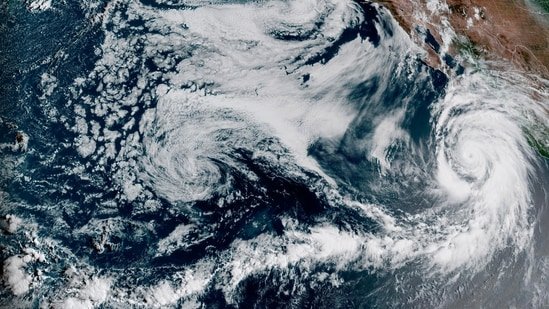
Economists warn that a possible super El Niño weather event this year could put pressure on global food supplies and push up prices, with effects that could last until 2028.
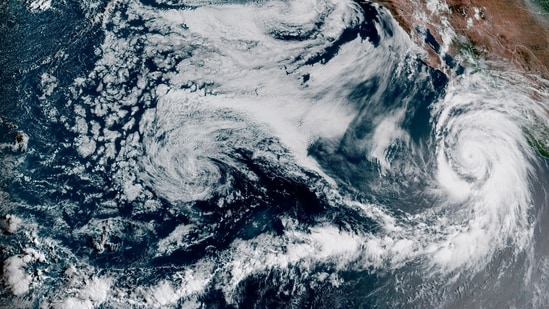
The climate phenomenon comes at a time when food markets are already under pressure from geopolitical tensions, including disruptions related to the war with Iran. Analysts have warned that extreme weather and existing supply challenges could deliver fresh inflationary shocks to global households.
What is a Super El Niño phenomenon?
El Niño is a naturally occurring weather pattern that occurs when changes in Pacific wind patterns spread warmer-than-usual water into the central and eastern equatorial Pacific.
According to the National Oceanic and Atmospheric Administration (NOAA), Pacific warming has begun to develop, with a 63% chance that sea surface temperatures could be 2 degrees Celsius above normal later this year.
The potential intensity of the 2026-27 event has led some experts to informally refer to it as “Super El Niño” or “Godzilla El Niño.”
A strong El Niño can disrupt agricultural production by affecting rainfall and temperatures across continents, increasing the risk of droughts, floods and storms.
How does Super El Niño affect food prices?
Economists have warned that a severe El Niño could wreak havoc on key agricultural regions and affect the supply of basic goods, The Guardian reported.
Goldman Sachs analysts estimate that the intensity of the weather event could cause global food commodity prices to rise by 15.8%. Analysts also predict that food prices in the euro zone may rise by about 1.3%.
However, the impact may not be immediate. Goldman Sachs said the full impact may not be felt until the second half of 2028, as weather disruptions affect different stages of crop planting, growth and harvesting.
“El Niño’s impact on agriculture is not uniform. It reshapes global rainfall and temperature patterns, creating regional winners and losers,” UBS analysts said, noting that some regions may benefit from favorable conditions while others face losses.
Which foods are likely to become more expensive?
Experts warn that several major agricultural products could be affected, including rice, wheat, sugar, coffee, cocoa and palm oil.
Goldman Sachs analysts said El Niño has begun to affect crop conditions in some areas, including India, and reduced rainfall in some areas may affect the supply of wheat, rice and sugarcane.
Droughts caused by El Niño typically affect parts of southern Africa and northern South America, while countries such as Brazil, Argentina, Paraguay and Uruguay are at increased risk of flooding.
In Southeast Asia, drought conditions may affect the production of palm oil, a key ingredient used in many processed foods. Availability of coffee and cocoa may also be affected by changing weather patterns.
Why will the impact last until 2028?
The effects of extreme weather won’t appear immediately on supermarket shelves. Analysts say the timing depends on crop cycles, supply chains, transportation networks and government response.
Risilience, a climate risk analysis company, estimates that extreme El Niño could reduce global agricultural production by 14.3%, equivalent to an output loss of approximately US$342 billion.
The company warned that price shocks for major commodities could range from 10% to 50%, while prices for the most vulnerable crops including rice, palm oil and coffee could rise by 50% to 100% or more.