
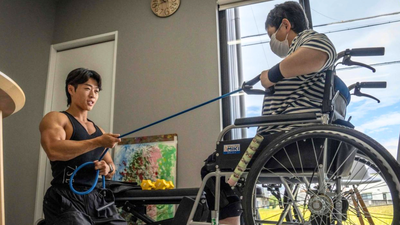
Japan’s rapidly aging population is forcing a rethink on how the country supports its elderly, with some care providers turning to an unexpected workforce, including bodybuilders and combat athletes. Companies like Visionary have begun recruiting able-bodied men to help with difficult caregiving tasks, such as lifting, mobility support and daily assistance. This approach reflects the growing labor shortage in the care sector as demand increases as the population ages. It also aims to make nursing more attractive to younger workers by redefining nursing as a more active and physically involving profession, while supporting existing staff.
Japan turns to bodybuilders to care for the elderly
Japan has one of the oldest populations in the world, with nearly one-third of the population aged 65 or older. This demographic shift places ongoing pressure on health care and long-term care systems. The country is expected to need millions of caregivers in the coming decades, and if current trends continue, severe shortages are likely, particularly in physically demanding positions that will be difficult to fill.Nursing work involves physically intensive tasks such as lifting patients, assisting with mobility, and preventing falls. Recruiting bodybuilders and athletes offers a practical solution as their strength and conditioning can help reduce stress during patient handling and reduce the risk of workplace injuries. This approach also helps present nursing as a more dynamic career, potentially attracting candidates who may not have previously considered the field.
MMA Boxer and Wrestler Roles
While the most obvious examples involve bodybuilders, the broader narrative includes mixed martial arts and wrestlers. These individuals have the discipline, stamina, and situational awareness that are useful in a nursing environment. However, their participation remains limited and has yet to become a widespread industry standard, with most recruitment focused on physically fit individuals rather than specific sporting backgrounds.
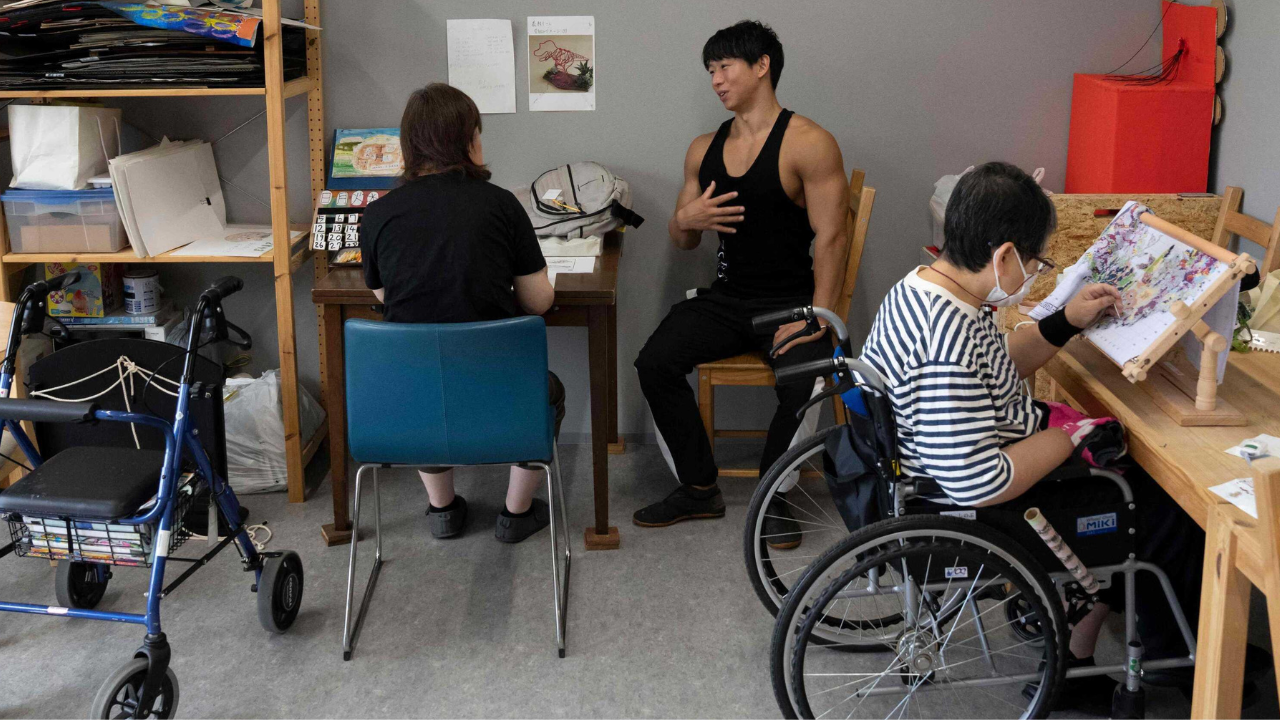
Athletes do not replace trained caregivers but are integrated into teams to support physically demanding tasks. It remains critical that they work with qualified professionals while having appropriate training in nursing practice, communication and patient safety. Physical strength alone is not enough for the role.Japan’s response to the nursing shortage also includes investments in assistive technology, such as weight-lifting aids, robots and artificial intelligence systems designed to support caregivers. While some innovations are still in the experimental stage, these efforts reflect a broader strategy to combine human power with technological support to sustain systems of care.
What this means for the future of care
The recruitment of physically trained personnel highlights Japan’s attempts to adopt unconventional solutions to structural demographic challenges. While this approach does not in itself solve labor shortages, it signals a shift toward more flexible recruitment strategies that may influence how other aging societies respond to similar pressures.