
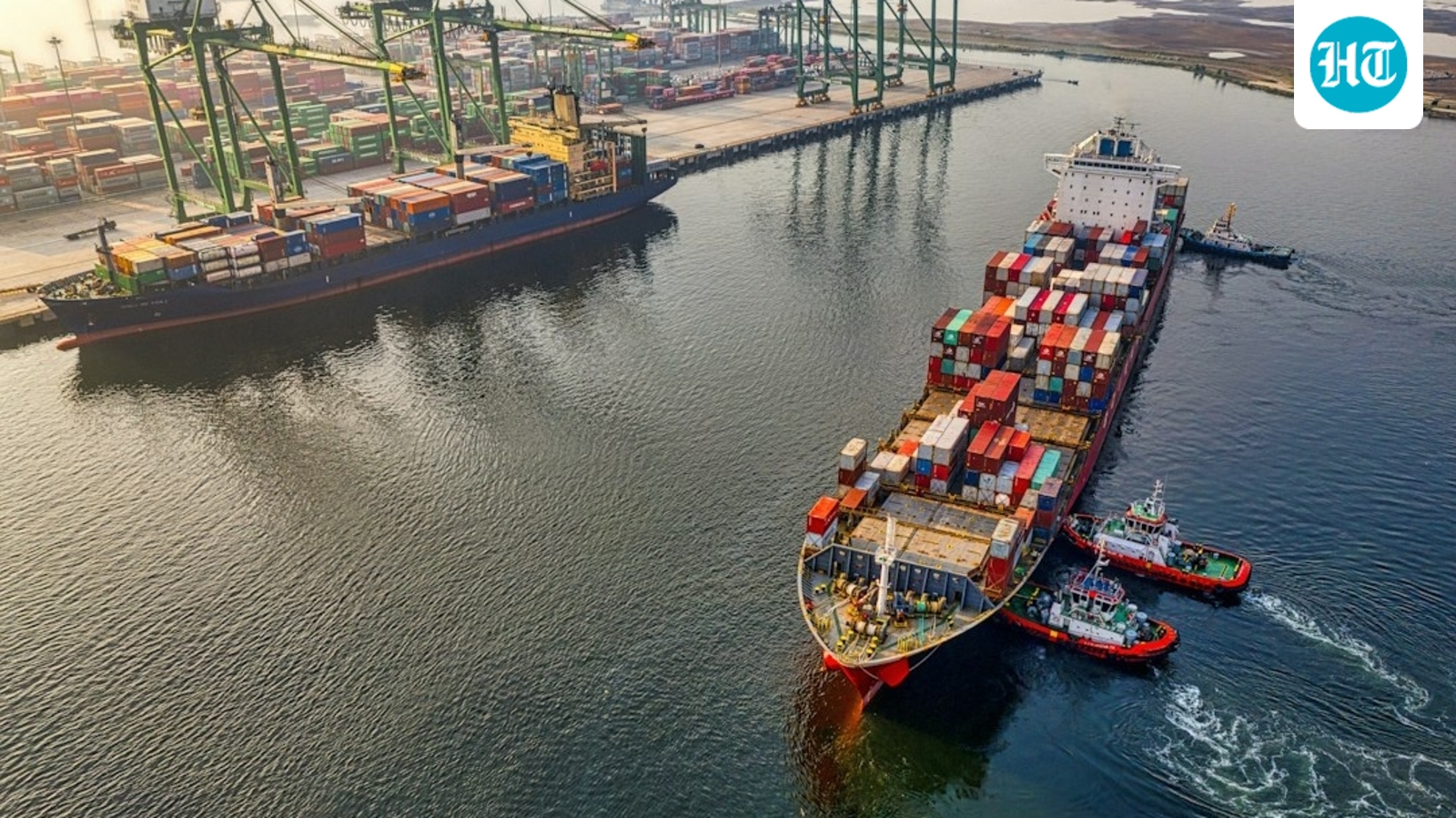
US ports are facing a growing wave of cyberattacks, with hackers attempting to break into systems that support shipping, trade and energy exports. The attacks are becoming more frequent and sophisticated, while advances in artificial intelligence could help hackers find weaknesses faster.
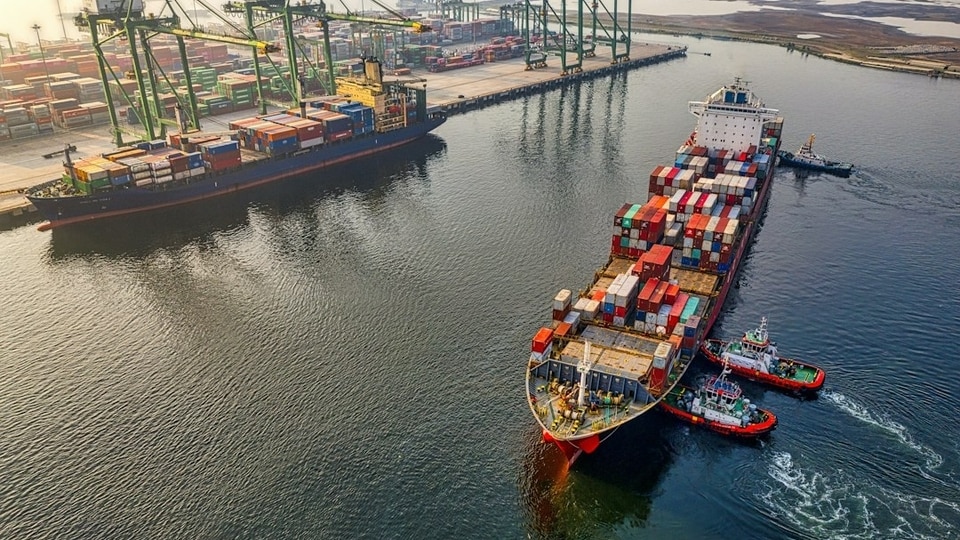
The Port of Corpus Christi in Texas is the biggest US gateway for crude oil exports, shipping around 2.3 million barrels a day, according to the Financial Times. Its chief executive, Kent Britton, said attacks have surged to “hundreds if not thousands” each day. He said they come from “known bad actor” countries and groups looking for high-profile targets, but he did not name any attackers.
Hackers are searching the port’s computer systems for weak spots. They are also sending fake messages that look like they come from senior executives, to trick staff into giving them access. “They’re poking at our systems and trying to find vulnerabilities,” Britton said. “With AI, it’ll only get more complicated.”
Britton said the port is asking Washington for more help. “If you’re playing defense, you have to get it right every time,” he said. “If you’re planning offence, you only have to get it right once,” as per the Financial Times.
Also read: Trump blames Democrats midterms victory for stock market wipeout, claims he predicted it
Other ports and ships under attack
The Port of Los Angeles, the country’s busiest port, said it stopped 120 million attempted attacks in August.
The attacks are also hitting ships and shipping firms, according to the Financial Times. The US Coast Guard reported a 17% rise in cyber incidents at sea last year. Two US-bound oil tankers carrying crude oil and liquefied petroleum gas were hacked near the Strait of Gibraltar, and the Coast Guard and FBI boarded them on August 21 and 24 to check their systems. No suspects have been named.
North Carolina Ports said in August that an “outside actor” attacked its IT systems. The attack was contained a day later, but gate openings were delayed and the port had to switch to manual work. Shipping giant Maersk also reported that hackers stole data in a recent break-in, but said its operations were not affected and that it was not a ransomware attack.
Also read: IDF’s intelligence officials warned Netanyahu against unilateral Israeli attack on Iran: Report
The Financial Times said experts link countries such as Iran, North Korea and China to hacking aimed at shipping, though groups often route their work through other countries. The FBI recently warned that hackers are using an AI tool called Artex to automate attacks.
The Port of Virginia said the threat is now “more acute because of the rise of AI,” according to the Financial Times. It said it has not yet suffered a successful breach, but spokesperson Joe Harris warned of serious results. “We’re an economic pinch point,” he said. “Getting taken offline is not an option.”