
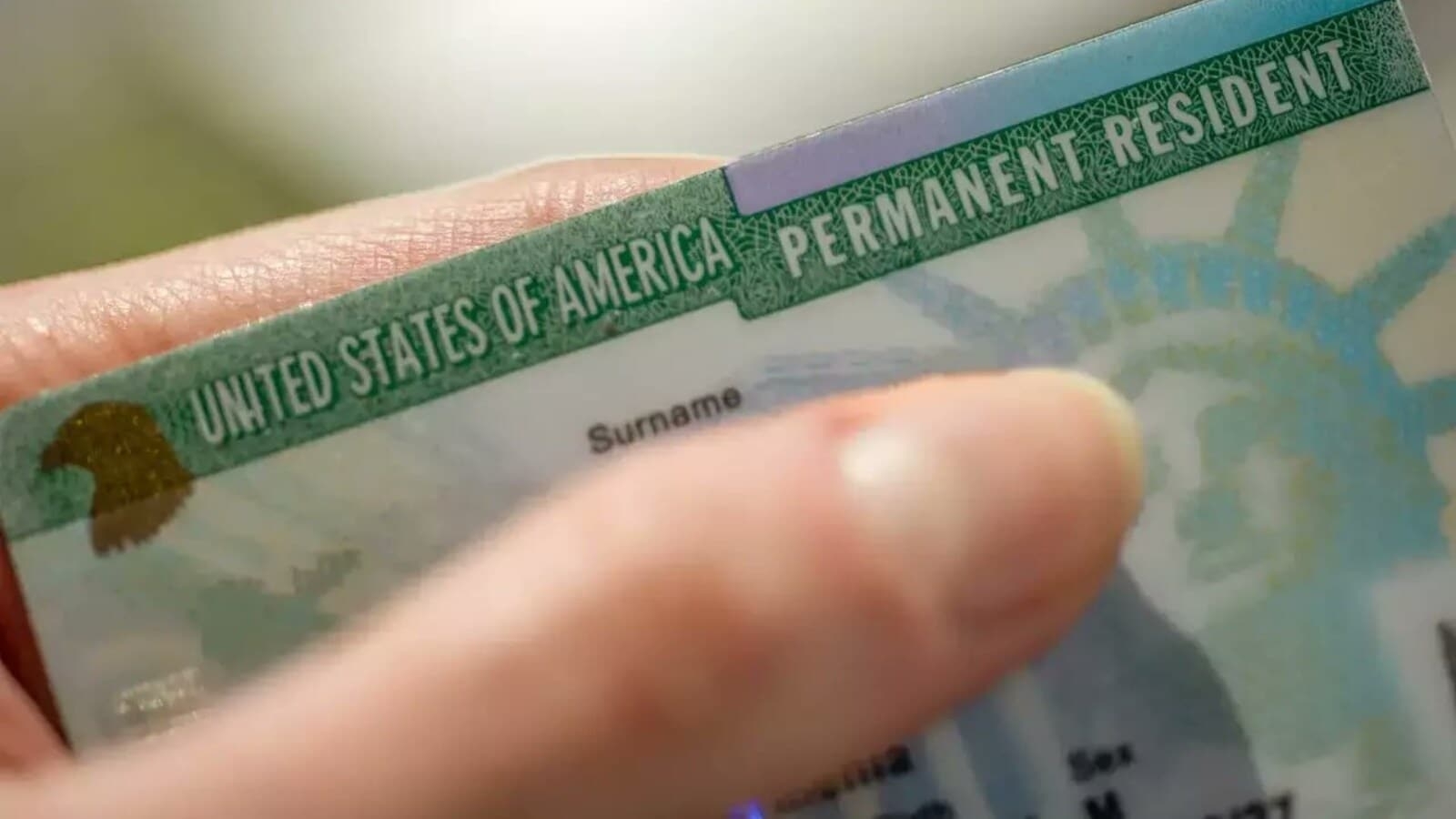
The US Department of Labor has proposed sweeping changes to the employment-based Green Card process, including a two-year restriction on employers sponsoring foreign workers for permanent residency after laying off American workers in similar roles.
The proposal, announced on November 16, seeks to overhaul the Permanent Labor Certification programme, commonly known as PERM. The process requires employers to demonstrate that there are not enough qualified, available US workers for a job before sponsoring a foreign national for an employment-based Green Card under the EB-2 or EB-3 categories.
The department described the proposal as the first comprehensive set of regulatory reforms to the PERM programme in nearly 20 years. The changes are intended to strengthen protections for US workers and update recruitment requirements.
Also Read: ‘Like kicking Michael Jordan off your team’: Elon Musk backs Jensen Huang after Nvidia exit
Two-year restriction after US worker layoffs
Under the proposed rule, employers would be barred from filing PERM applications for the same or similar occupations if they had laid off US workers in those roles at the relevant work locations during the preceding two years.
The proposal would also extend employers’ responsibility to consider qualified American workers affected by layoffs beyond the initial application stage. Employers would have to continue considering eligible laid-off workers while the labour certification and associated immigrant petition processes are underway.
The Department of Labor announcement said the changes would strengthen safeguards for American workers, including those affected by layoffs.
Exemptions for nurses, physical therapists could end
The proposal also seeks to eliminate Schedule A, a category that currently allows employers to bypass the standard PERM labour market test for certain occupations.
The list includes professional nurses, physical therapists and individuals with exceptional ability in the sciences, arts or performing arts.
If adopted, employers sponsoring foreign nationals in these occupations would generally have to complete the standard labour certification process and demonstrate that qualified US workers are not available.
Also Read: US allows 15-day premium processing for H-1B and 26 other employment visa categories
The department said it could no longer justify maintaining the exemptions because it lacked a reliable methodology to establish a nationwide shortage of qualified American workers in the listed occupations.
Employers may face longer recruitment requirements
The proposed changes would replace several existing recruitment requirements, including mandatory newspaper advertisements, with electronic recruitment methods. Employers would be able to use company websites, job-search platforms and social media, among other channels.
Job advertisements would generally have to remain active for at least 90 calendar days, giving US workers more time to learn about vacancies and apply.
The proposal also seeks to standardise recruitment requirements across occupations and strengthen record-keeping obligations for employers.
The changes are not yet final. The Department of Labor has invited public comments, which will be accepted for 60 days after the proposal’s publication in the Federal Register.