US intercepts Iranian oil tankers: US intercepts three Iranian oil tankers near India and Malaysia during maritime blockade

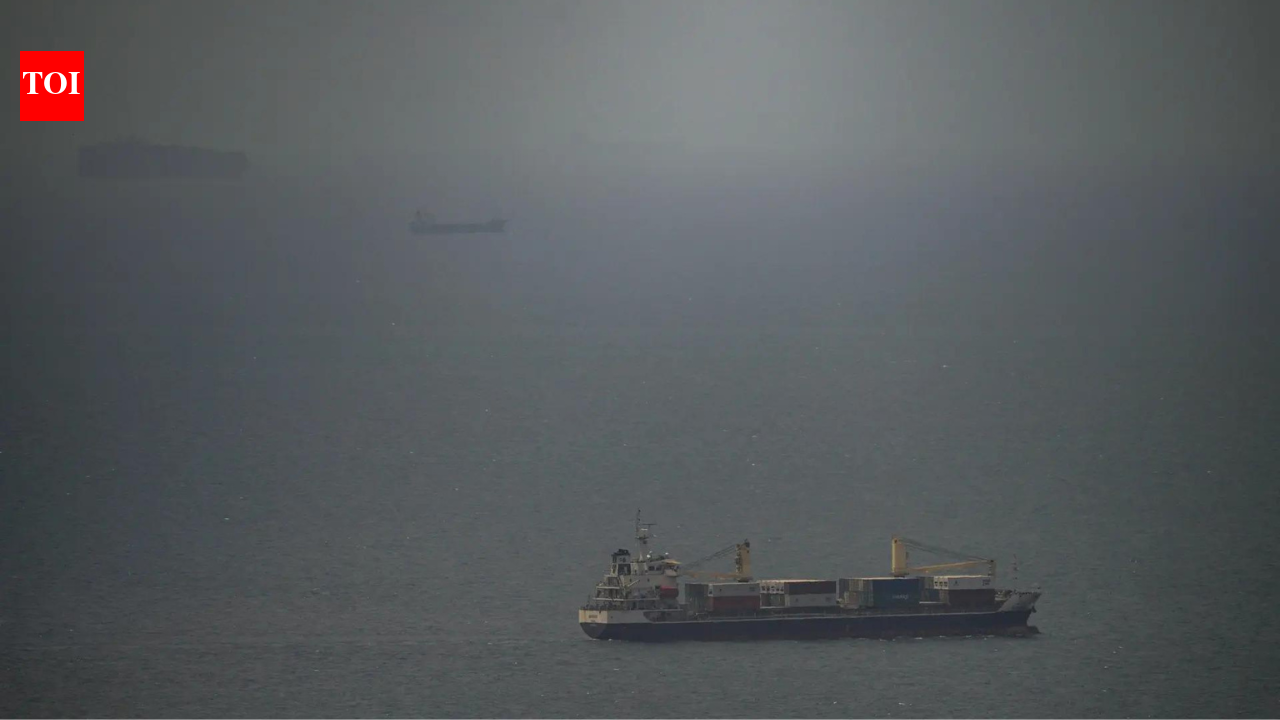
The U.S. military has intercepted at least three Iranian-flagged oil tankers in Asian waters and diverted them from positions near India, Malaysia and Sri Lanka as the naval blockade against Iran continues.The interception comes as Washington tightens restrictions on Tehran’s seaborne trade amid a fragile ceasefire in the ongoing conflict.
According to Reuters, the U.S. military is increasingly targeting ships outside the Strait of Hormuz, including those in open waters, to reduce the risk of floating mines.The intercepted vessels included the supertankers Dorena, Deep Sea and Sevin. According to Reuters, the Dorena, carrying about 2 million barrels of crude oil, was last seen off the southern coast of India and is currently being escorted by a U.S. Navy destroyer in the Indian Ocean.The partially loaded Severn and Deepsea were last tracked near Malaysia.Shipping sources also said another tanker, the Derya, may have been intercepted for failing to offload Iranian crude in India before a U.S. exemption expired, Reuters reported.
Blockades tighten controls on global oil flows
U.S. Central Command said it had directed at least 29 ships to turn around or return to port since the blockade began, underscoring the scale of enforcement.The maritime standoff has severely disrupted global energy supply chains. Under normal circumstances, about 20% of the world’s oil and natural gas flows through the Strait of Hormuz, and its closure has triggered a wider energy crisis and led to a sharp reduction in exports.
Negotiations reached a deadlock and the maritime situation escalated
Tensions have increased in recent days, with Iran firing on ships and seizing two container ships in the strategic waterway. The developments come despite U.S. President Donald Trump extending the ceasefire to allow more time for diplomacy.However, prospects for resuming negotiations remain uncertain. Iran accuses the United States of acting “in bad faith” and planned talks in Islamabad have been delayed after Tehran failed to confirm its involvement.The standoff on key shipping lanes shows few signs of easing, keeping global energy markets on edge as both sides continue military and maritime actions.