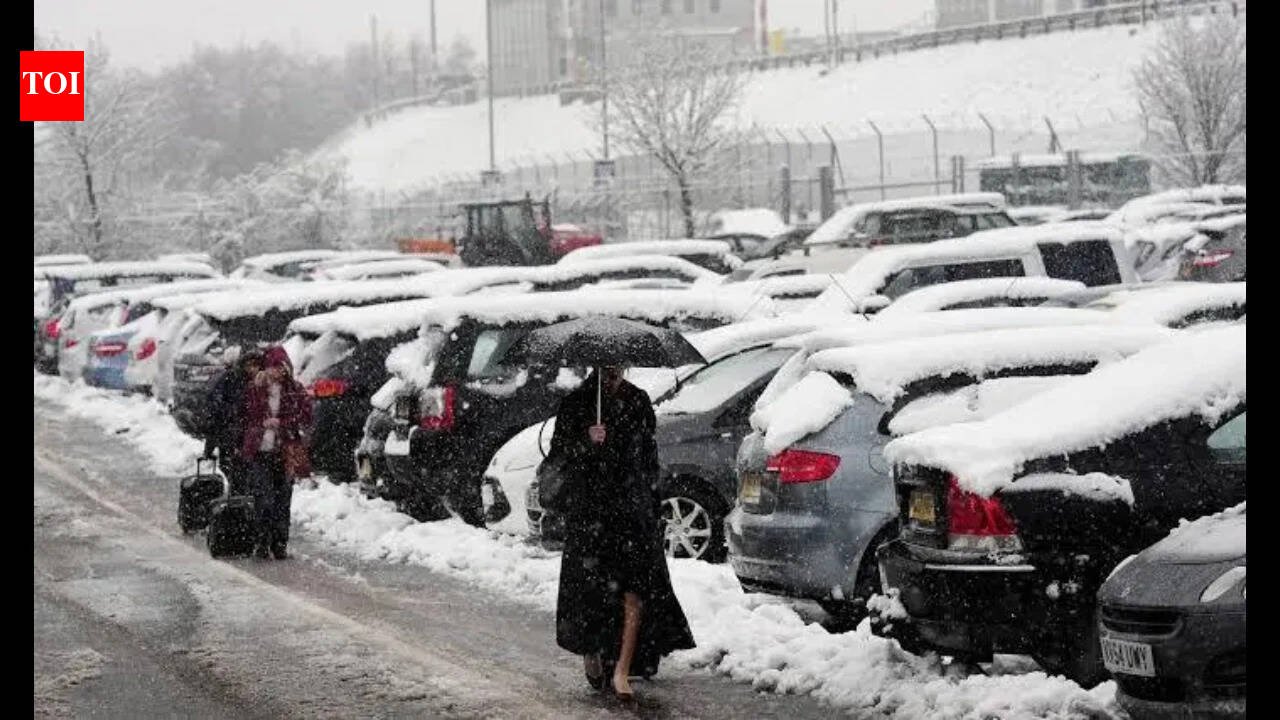

UK weather forecast: Super El Niño could bring cold winter and global heatwave
Climate experts predict that global weather will change once El Niño occurs later in 2026. It is predicted that global temperatures are likely to rise. Instead, the UK could face a more severe cold snap in winter. Regional impacts will vary, but overall a warming trend appears likely.One of the reasons scientists point to? The weakening La Niña is part of the broader El Niño-Southern Oscillation pattern. Australia’s meteorological agency believes the cool phase has now ended, providing room for balancing ocean temperatures before a shift to a warm phase is likely. Across the Pacific, U.S. forecasters estimate there is less than a two-thirds chance that El Niño will begin mid-year and last until late 2026.Expectations are growing as scientists predict that El Niño could increase global temperatures by around 0.2⁰C. In addition to continued warming, this shift could change the way storms and rainfall move around the world. As Pacific water temperatures rise more than 1.5⁰C above normal, US agencies are seeing not just a slight warmth, but real warmth. The probability of reaching these highs in the late months of the year is about 33 percent. At that time, strong El Niño events did not occur very often. During 2015 and 2016, Earth’s temperatures rose to unprecedented levels, while oceans rose and Arctic ice shrank. Because of what happened before, experts are now looking for similar signs.When El Niño arrives, the impact varies greatly in different regions. Skies are clearer than usual in places like Australia, Indonesia and the Philippines; this can increase fire risks as the land becomes drier. Along the west coast of South America, storms in Peru and Ecuador dumped far more than normal amounts of water, sometimes flooding rivers and roads. Sometimes, rainfall decreases across India due to changes associated with this pattern. Meanwhile, winters in some U.S. Gulf Coast states are becoming wetter due to changes caused by warming oceans. Winter shifts in the UK tend to be calmer. According to the Met Office, warming waters in the Pacific Ocean could make the climate colder. The researchers note that effects on local skies may appear later, sometimes long after changes in seawater temperatures. Global warming appears to be related to changes in El Niño and La Niña conditions. Scientists continue to delve deeper into this connection, tracking patterns over the years. When the ocean gets hotter, more intense extremes occur, causing wild swings in weather. Rather than weakening, these cycles intensify as temperatures rise. global warming Changing the way today’s natural weather patterns are displayed. During cool phases like La Niña, readings still exceed readings during past warm El Niño events. Such changes occur when the Earth’s inherent fluctuations encounter rising baseline temperatures. Over time, this mixture has redefined what extreme weather is.