
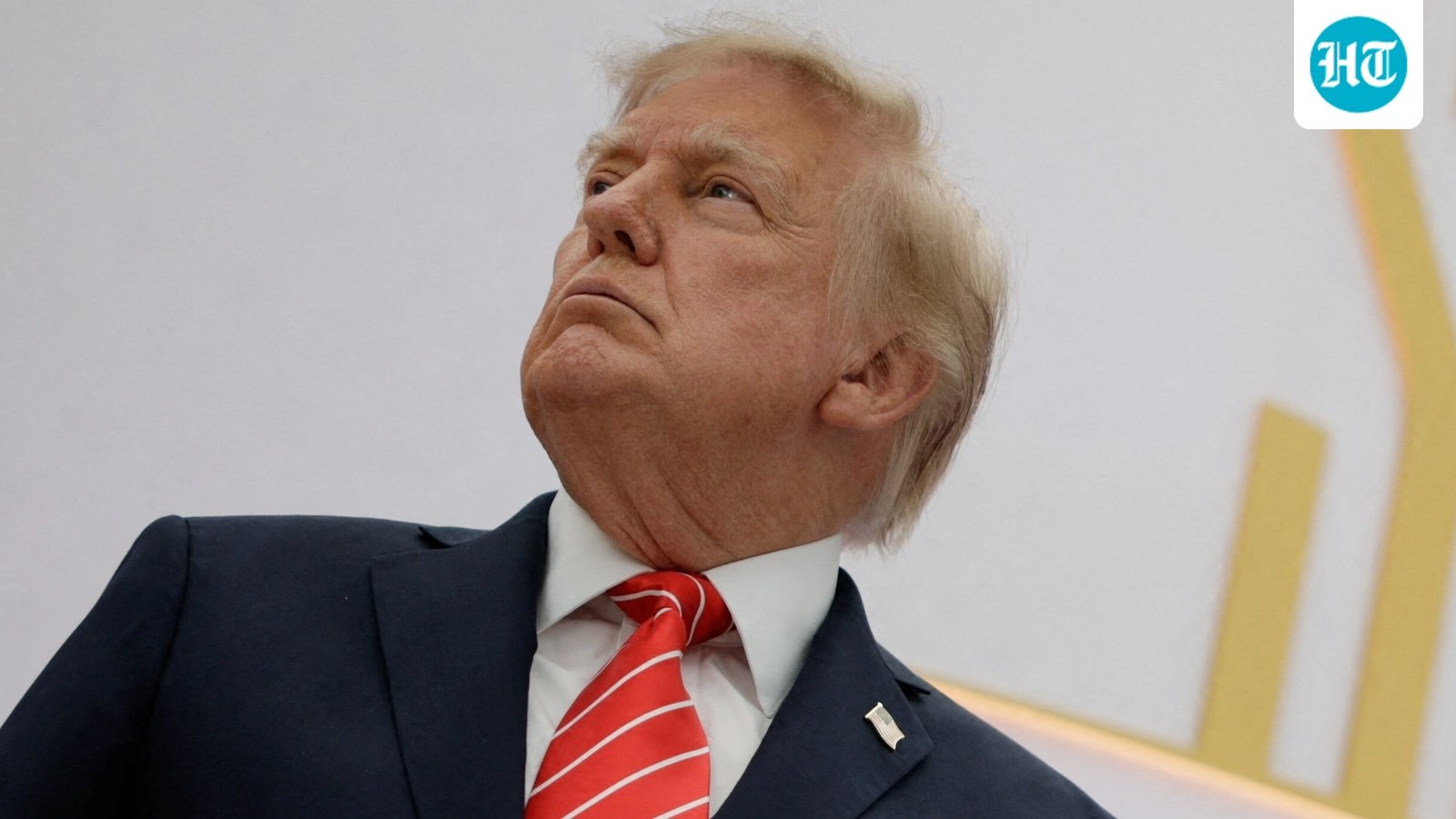
The Trump Organization sought permission to hire 36 temporary foreign workers for its Virginia winery at $13.90 an hour. This rate is nearly nearly $2 less than the previous year’s rate. The application came weeks after President Donald Trump’s administration lowered minimum wage calculations for certain foreign agricultural workers.
REUTERS/Evan Vucci (REUTERS)
The winery, operated by Trump Vineyard Estates LLC near Charlottesville, sought workers for grape and apple production from February through October 2026, according to the US Department of Labor’s seasonal employment database. The filings show the contrast between Trump’s immigration crackdown and his company’s continued reliance on overseas labor.
Forbes reported the application on January 12, citing Labor Department records. The requested wage was $13.90 an hour, compared with $15.81 in 2025. Workers previously employed by the winery could receive $16.16 an hour if they returned in 2026, according to the filing.
Trump winery’s foreign labor applications
The Trump Organization has sought to bring at least 2,069 foreign workers into the United States since 2008, according to the records reviewed by Forbes.
The company uses H-2A visas for agricultural workers and has also sought H-2B visas for seasonal hospitality jobs at properties such as Mar-a-Lago. The job listing specifies duties like pruning grapevines, thinning fruit, harvesting crops and maintaining the vineyard.
These programs allow eligible US employers to recruit foreign workers for temporary positions when they cannot find sufficient qualified American workers.
Employers ought to obtain labor certification before proceeding with the relevant immigration process. They must demonstrate that enough qualified US workers are unavailable and that employing foreign workers will not adversely affect the wages and working conditions of similarly employed Americans.
On the contrary, Trump administration has since the beginning of his term targeted the H-1B visas. These, unlike those his businesses use, are for highly skilled workers in specialized fields such as engineering, accounting and the arts. Trump also recently imposed a $100,000 payment on many H-1B visa petitions.
The wage dispute centers on the Department of Labor’s adverse effect wage rate, or AEWR. The rate establishes a wage floor for covered agricultural jobs intended to protect domestic workers from wage suppression.
The Economic Policy Institute estimated that the revised methodology could reduce total US farmworker pay by about $3 billion annually, or roughly 9% of wages. According to Forbes, the United Farm Workers and 18 individual farmworkers subsequently challenged the rule in federal court.
Also read: Trump’s ‘Super Intelligence Task Force’ to meet Thursday amid calls for stricter rules: Report
The new agricultural wage rules
Forbes reported that the labor department revised wage methodology arbitrary and capricious, and procedurally defective under the Administrative Procedure Act.
In an October 2 order, the court set December 30 as the deadline for a new interim final rule and the effective date for vacating the existing rule.
The department had indicated that preparing a replacement could take several months. The court rejected a longer delay and required the government to provide updates on its progress.
The ruling challenges the administration’s approach to setting agricultural wages, although it does not establish that the Trump Organization violated labor or immigration laws. The winery’s hiring application and the broader legal dispute remain separate matters.
Forbes reported that neither the White House nor the Trump Organization responded to its inquiries about the winery’s application.