
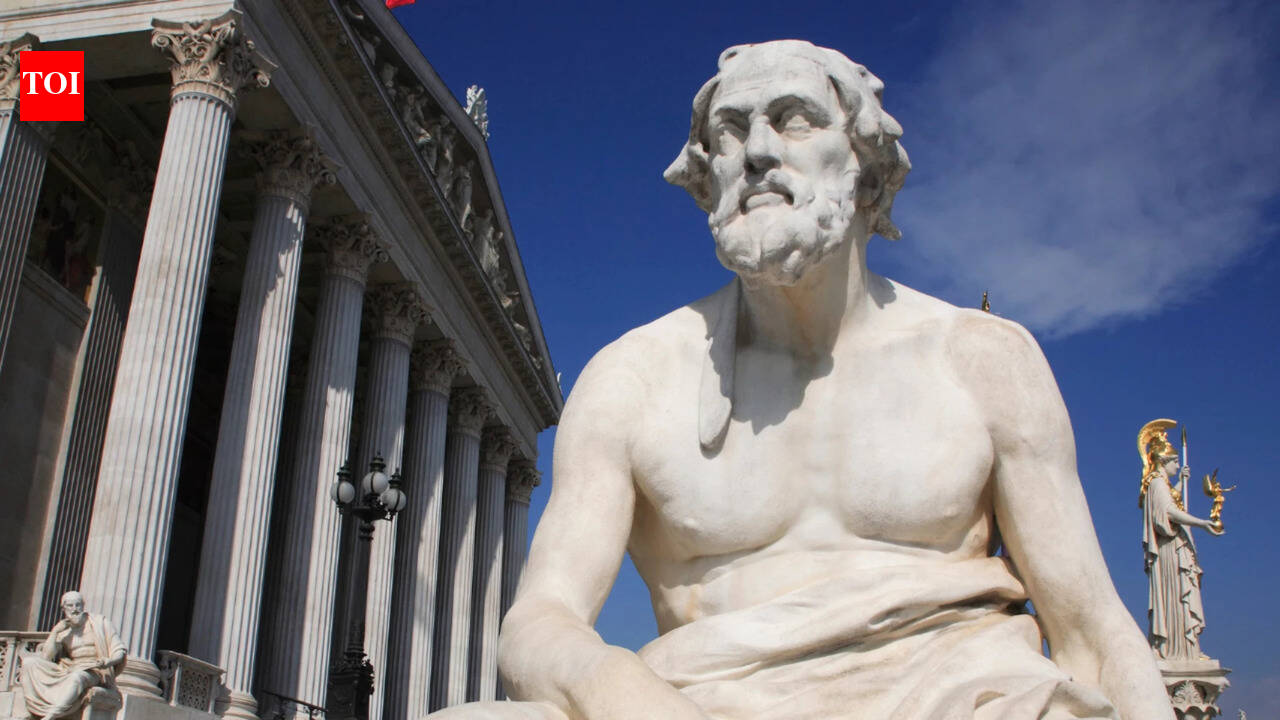
Picture a room on the verge of exploding: people yelling, tables being thrown, and calls for immediate action growing louder. Amid the din, expressing anger is effortless. But what about staying still, staying calm, and refusing to be bullied into making bad decisions? This takes real courage.The struggle between acting impulsively and remaining calm is at the heart of an old saying: “Self-control is the primary factor self-esteemand self-esteem is the primary factor courage“.The historian Thucydides recorded that this statement set off a simple chain reaction. True courage is rarely about acting tough or making noise. Instead, courage comes from self-esteem and belief that your character actually matters.
CJP Jantar Mantar Protest Updates
You can’t buy self-esteem, and you can’t get it with cheap compliments. You can gain it by taking control of yourself through small, everyday choices. When you demonstrate that your actions are guided by clear values rather than sudden feelings, you build the inner strength needed to stand firm when times get tough.
The Spartan King Needs Patience
Although this quote appears in Thucydides’ famous work, The History of the Peloponnesian War, the historian did not give his own perspective. He was recording an important speech delivered by Archidamus II, the elderly king of Sparta, in 432 BC.Sparta’s allies gathered together, forcing Spartan leaders to immediately declare war on Athens. Representatives from the city of Corinth mocked the Spartans, calling their cautious nature slow and cowardly. They demanded an immediate attack.Archidamus had experienced many battles and knew how painful a long war would be. He stepped forward to calm the angry crowd. He warned them not to confuse impatience with true bravery. Sparta was powerful not because its soldiers were reckless, but because their strict and simple training taught them to control their fears and desires. Archidamus reminds them that remaining calm under pressure is proof of self-control. For him, true bravery comes from daily disciplined habits, not sudden fits of rage.While people today often cite this quote as general advice, its original goal was very specific: to prevent angry crowds from engaging in a catastrophic war.
character chain reaction
To understand why these words have survived for over two thousand years, it helps to look at how the ancient Greeks viewed right and wrong. The ancient Greeks relied on a concept called sophrosyne, which meant self-control, balance, or clarity of mind. They see it as the ultimate shield of a person’s character.Without self-control, talent can turn into arrogance and energy can turn into harm. Archidamus links self-control directly to “aidos,” the Greek word for personal honor and self-respect.This logic is easy to understand. A person who cannot control his temper or desires will always be at the mercy of external things. They act impulsively, regret it later, and slowly lose confidence in themselves. Loss of trust destroys their self-esteem.On the other hand, when you practice self-control by saying no to short-term temptations and controlling your temper, you build personal trust. This trust creates true courage. When panic strikes, a disciplined person does not run away or follow the mob. They trust their ability to stay calm because they train for it every day.This psychological thought is consistent with the basic principles of Stoic philosophy and early Greek ethics. Good character is not innate, but a habit developed through practice. Courage is simply a daily discipline tested in public.
Stay calm under modern pressure
In today’s world where we are constantly encouraged to react immediately, the Spartan King’s warning feels completely relevant. Social media apps, non-stop news channels and a rapidly changing job market all profit when people react quickly and emotionally. In this environment, taking the time to pause is often seen as a weakness rather than a strength.See how leaders are tackling today’s big issues. When businesses face public disasters or major technology failures, the best leaders are rarely the ones who scream, point fingers, or make wild promises that silence the room. Effective leaders start by managing their own emotions. They pause, gather the facts, accept the hard facts, and act on a clear plan. Their calm behavior gives everyone around them the confidence to continue working.You see the same pattern in aviation and professional sports. Emergency flight training teaches pilots to slow down and think. When an engine fails, the body’s natural reaction is fear. Flight training forces pilots to overcome their fears, step through safety checklists, and focus on flying the aircraft safely. A pilot’s bravery in an emergency is not entirely without fear. This is a direct result of controlled practice.Even managing your money relies on this exact principle. Staying calm during a financial crisis requires self-control, ignoring daily panics and sticking to long-term plans.When the Spartan council finally ignored Archidamus and voted for war, they began a twenty-seven-year conflict that destroyed much of ancient Greece. Their decision is a lasting lesson from history: While pride and anger can easily spark fights, only self-control can keep you safe when trouble comes.