
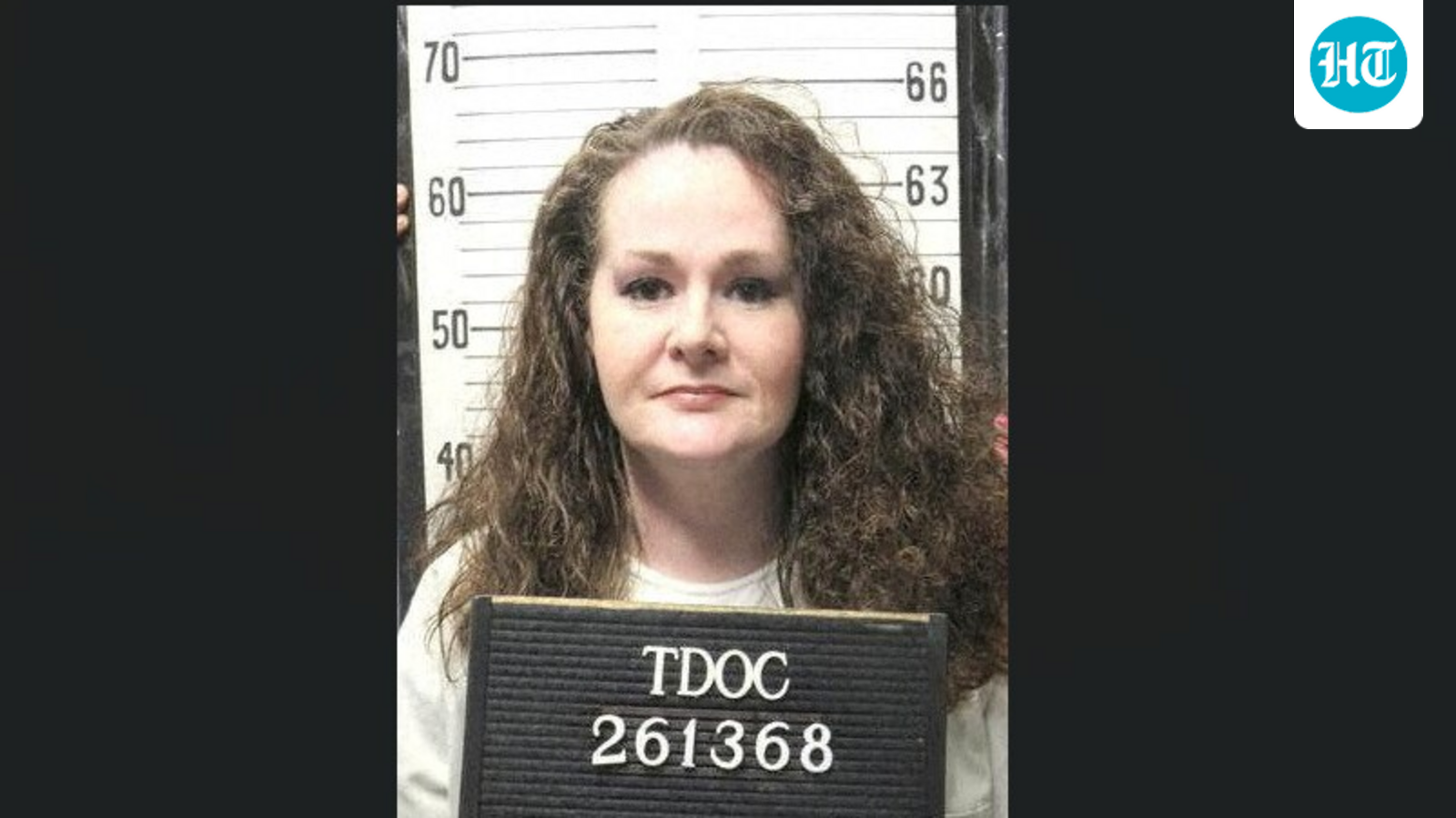
Christa Pike, a death row inmate in Tennesseesurvived an attempted execution after two doses of the lethal drug pentobarbital failed to kill her. The botched execution has left her with severely ‘swollen, burned and blistered’ arms and questions remain over whether improperly placed IV lines prevented the drug from entering her bloodstream.
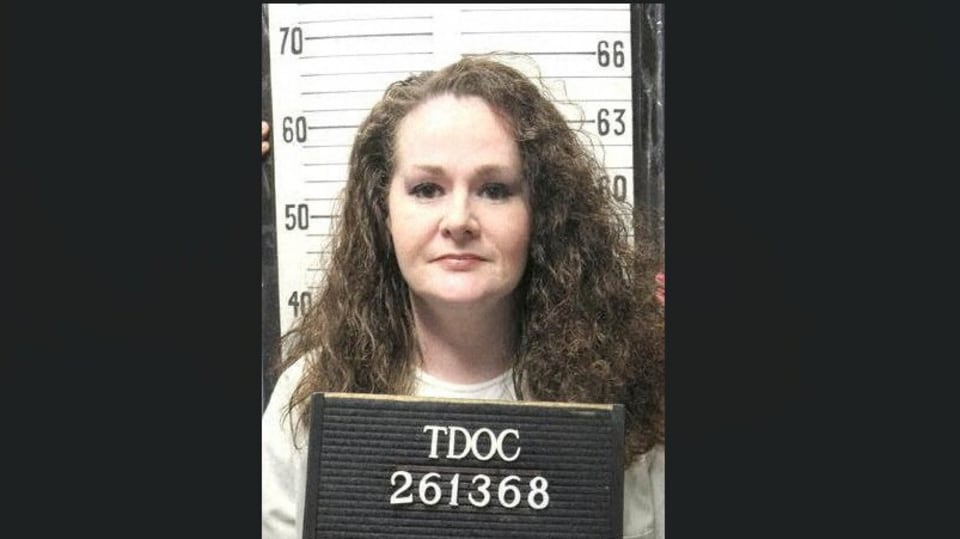
5 chilling details from Christa Pike’s botched execution:
1. She survived two lethal doses of pentobarbital
Pike was reportedly administered two doses of pentobarbital during the attempted execution on September 30. Despite receiving what were described as lethal doses, she survived, in what the Death Penalty Information Center described as the first known instance of an inmate surviving after being injected with lethal doses of execution drugs.
2. Pike said her arm was hurting minutes after the execution began
The execution reportedly began at around 7:30 p.m., after Pike was given an opportunity to make a final statement. About five minutes later, she raised her head and said that her arm was hurting. She later appeared to lose consciousness, although she could still be heard breathing.
3. Her arms were reportedly swollen, burned and blistered
A court filing said both of Pike’s arms were severely swollen, burned and blistered when she arrived at the hospital, according to AFP. Pentobarbital is described in the filing as a caustic substance capable of burning skin, tissue and veins if it does not properly enter the bloodstream.
4. The IV lines may have failed during the execution
Pike’s attorneys argued that the execution team apparently failed to realise that the IV lines had not been correctly placed or that the veins had “blown”, according to AP. Experts have focused on the possibility that the pentobarbital pooled in the tissue around the IV site instead of entering Pike’s bloodstream.
5. She was still handcuffed to a hospital bed
After the failed execution, an ambulance arrived at the prison at about 9:14 p.m. to take Pike to hospital, said AP. Her attorneys later said that, even after the botched execution, Pike remained handcuffed to her hospital bed.
Also Read | Christa Pike update: Death row inmate awake and speaking after failed execution
“Despite the severe damage she endured to her arms, she is still handcuffed and shackled to the bed,” they said in a statement, according to AFP. “Her recovery is medically unprecedented. Her prognosis remains unclear but, at a minimum, we expect a long recovery.”
(With inputs from agencies)