
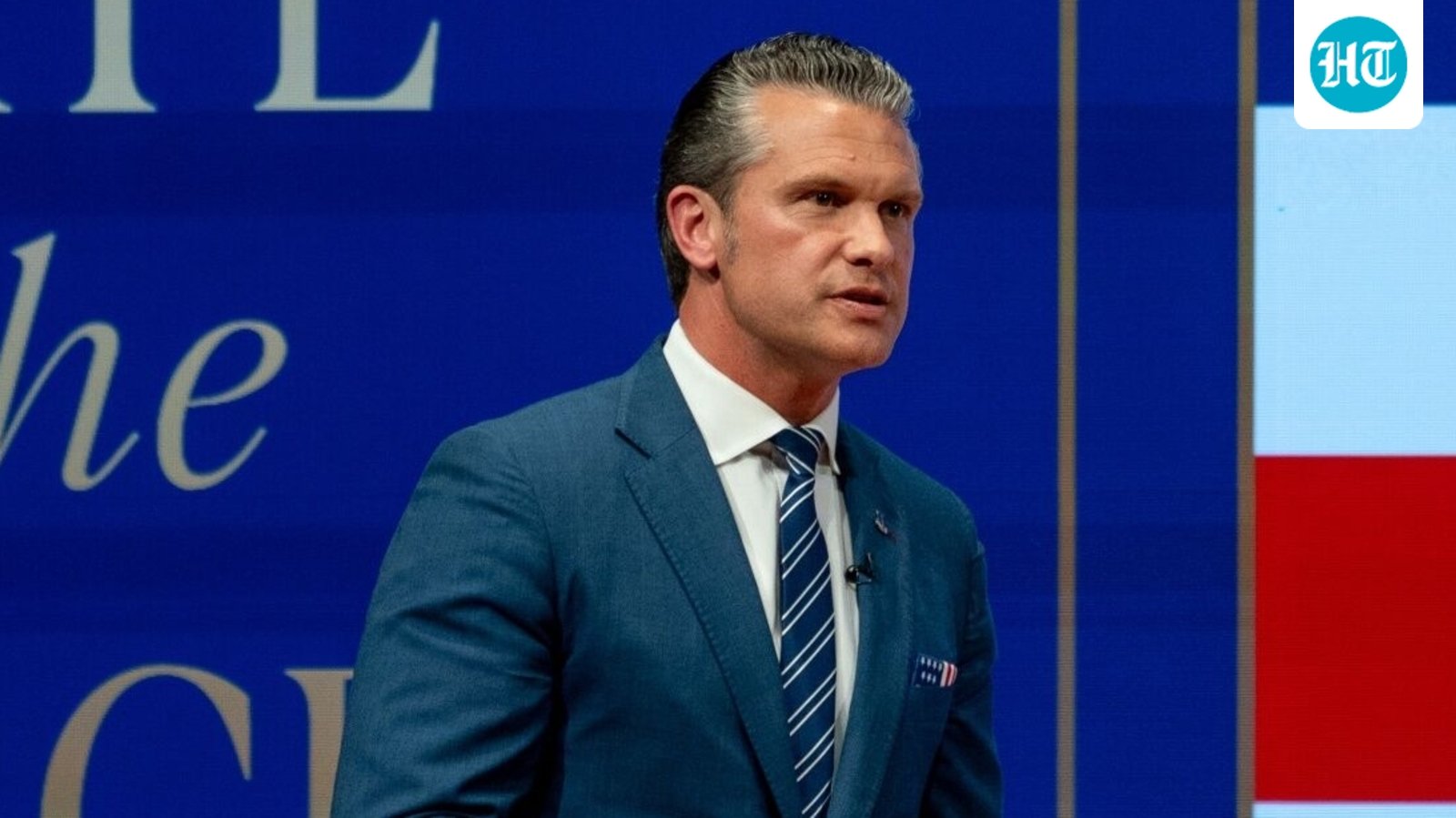
US Defense Secretary Pete Hegseth has drawn criticism after announcing a new Office of Religious Affairs at the Pentagon, with people arguing that the move risks giving Christianity a greater role in military policy.
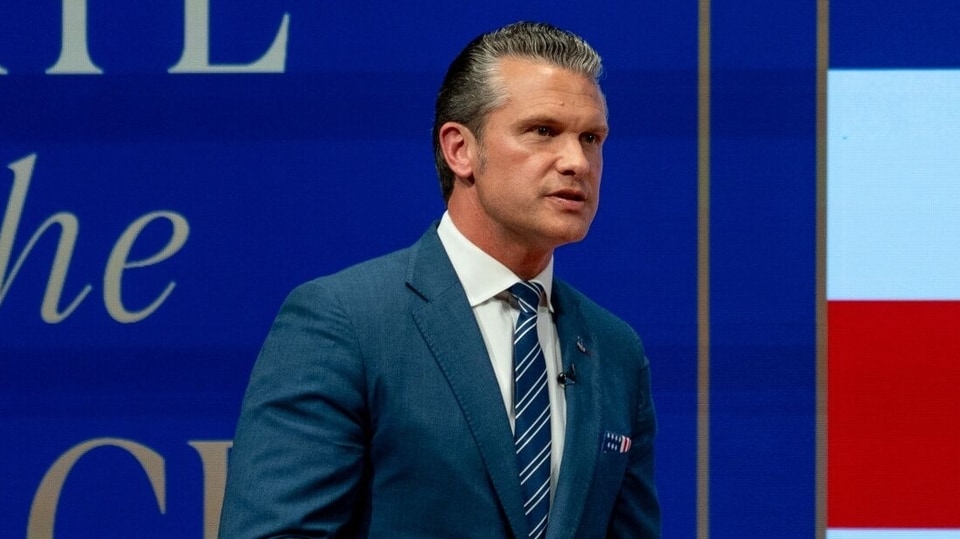
Hegseth announced the office during his State of the Force address at Marine Corps Base Quantico in Virginia on September 30. The new Office of Religious Affairs, or ORA, will report directly to the defense secretary and is intended to provide what the Pentagon described as “first-class religious support” while advocating for military chaplains and religious support at the department’s highest level.
The announcement quickly prompted reactions on social media, including criticism focused on the First Amendment and the separation of church and state.
What is Hegseth’s new Office of Religious Affairs?
According to the Pentagon, the ORA will coordinate religious and spiritual resources across the Defense Department. A Pentagon memo says the religious affairs director will oversee resources including faith-based homeschool support for military families and faith-based initiatives aimed at supporting department-wide suicide reduction. The leader of the office has not yet been named.
The Pentagon said the office will not compel religious participation, favor one faith over another or diminish the rights of service members who follow any faith or have no religious affiliation.
Hegseth, however, used explicitly Christian language while announcing the initiative.
“Our department is, you might say, putting on the full armor of God, because while we wage physical war, we all know the real battle is spiritual,” he said during his speech.
He later addressed military chaplains directly, telling them: “Live your calling. Stand firm. Preach truth. Minister to the flock.”
Criticism on Hegseth’s announcement
Hegseth’s announcement drew sharp criticism from Democratic Rep. Jared Huffman.
Huffman, a California Democrat, pointed to the First Amendment’s prohibition on government establishment of religion and Hegseth’s own wording when announcing the new office.
“First Amendment: ‘Congress shall make no law respecting an establishment of religion.’ Hegseth: ‘Today, at my direction, I’m establishing the Office of Religious Affairs,’” Huffman wrote on X.
Huffman then accused Hegseth of being a “full-throttle Christian nationalist” and argued that the defense secretary has repeatedly weakened the separation between church and state through initiatives including Christian worship services at the Pentagon and changes to religious affiliation codes in the military chaplaincy program.
A non-profit organization, The Secular Coalition for America also criticized the move, arguing that the new office does not adequately account for nonreligious members of the military.
“The new Office of Religious Affairs ignores the numerous nonreligious service members and spits in the face of our country’s constitution,” the group said in a post on X.
Hegseth’s broader Pentagon faith reforms
The new office comes after several changes under Hegseth that have affected religion and chaplaincy within the Defense Department.
The Pentagon has reduced the number of officially recognized religious affiliations from more than 200 to 31. AP reported that the revised list no longer includes atheists, Unitarian Universalists, pagans and Wiccans. Hegseth has also directed military chaplains to stop wearing their military rank on their uniforms and instead use religious insignia.
Hegseth has also hosted Christian worship services for Pentagon employees and has spoken publicly about the United States in Christian terms. AP described the Office of Religious Affairs as the latest in a series of his faith-related reforms.
The secretary has separately pushed for chaplains to place greater emphasis on God and less on therapeutic approaches such as “self-help and self-care.”
(With AP inputs)