
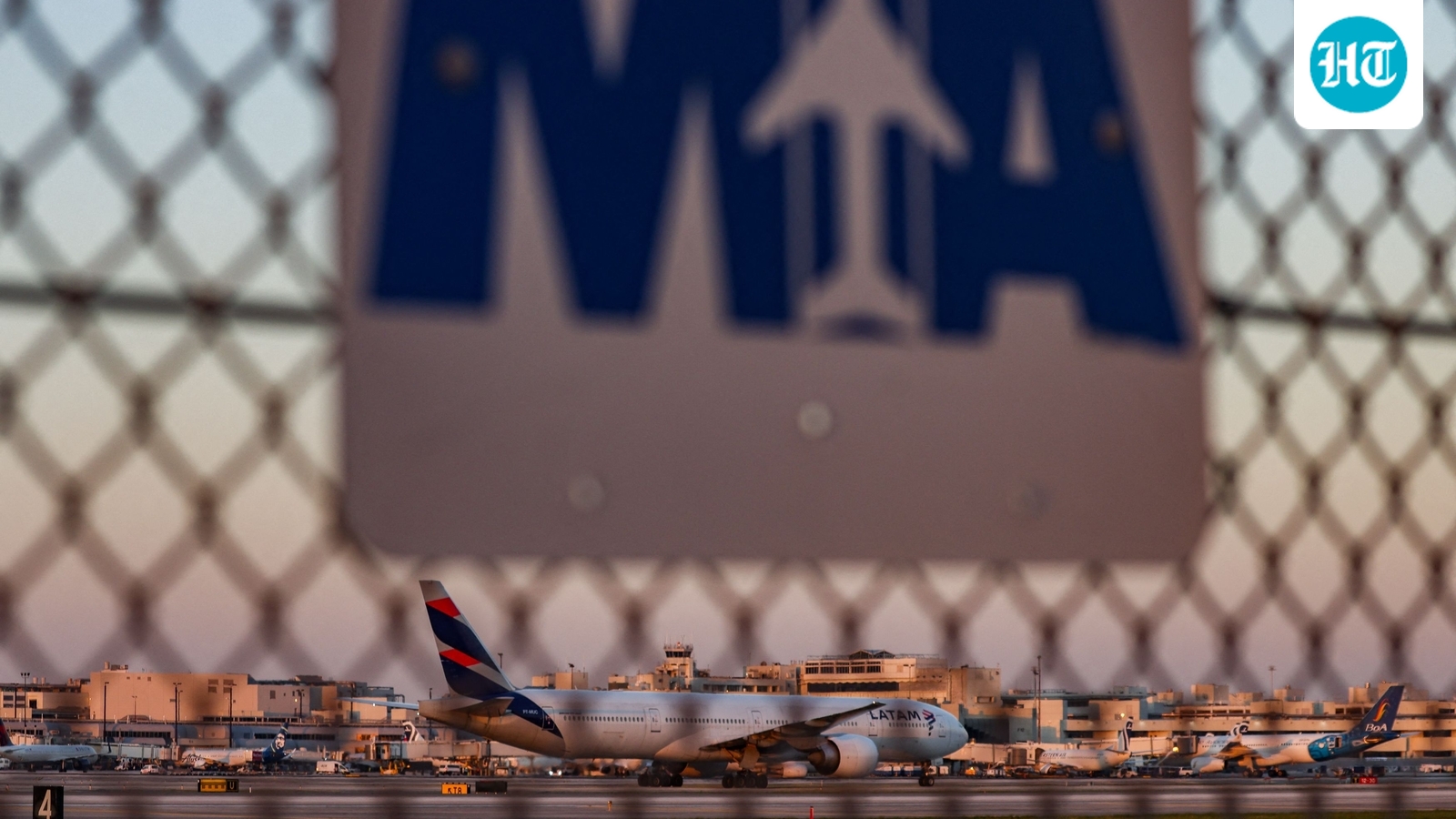
Air traffic controllers had specifically instructed a UPS cargo aircraft to give way to a Copa Airlines passenger plane before the two planes collided while taxiing at Miami International Airport on Saturday and left two people injured, according to a report.
The wingtip of the Copa Airlines aircraft struck the nose of the UPS Boeing 767 after the cargo plane moved into its path, according to the Federal Aviation Administration (FAA) and audio recordings of conversations between pilots and air traffic controllers.
‘Somebody hit us’
The FAA said air traffic controllers had instructed the UPS crew to give way to the Copa Airlines flight, CNN reported.
The passenger flight was carrying 166 passengers and six crew. Two people were injured in the incident, Greg Chin, the airport’s communications director, told the news outlet.
“Somebody hit us,” the Copa Airlines pilot reportedly said in an air traffic control recording. The controller then asked the UPS crew whether their aircraft had made contact with another plane.
The UPS pilot responded, “Yeah, we went too far, and then he, he clipped us with the wing,” as per the recording.
Later, the Copa pilot reportedly said, “It seems that we are missing the left wingtip.”
UPS said it was “committed to working with authorities to determine what happened” and confirmed that its crew was safe.
In its statement, Copa Airlines said it “regrets the disruption this incident may cause our passengers. The safety of our passengers and crew is our top priority, and we will cooperate with authorities as they investigate.”
The FAA said it had launched an investigation into the collision, which took place at around 9 pm local time.
Collision comes after US’s longest aircraft stoppage in 25 years
Saturday’s incident came a day after a technical glitch forced the US to halt flights nationwide for the longest period in more than two decades. The disruption was blamed on a data overload that affected air traffic control communications and radar systems.
Transportation secretary Sean Duffy said the problem started after L3Harris Technologies Inc replaced old copper cables at a remote site. A router then began sending an excessive number of connection requests to the air traffic control network.
Duffy said he would formally ask the US Congress on Monday to approve $50 billion in emergency funding to upgrade the air traffic control system.
With inputs from agencies