Home Blog Page 323

‘Decades of deception’: BJP slams LDF, UDF ahead of Kerala polls; says voters are choosing between two similar fronts

0

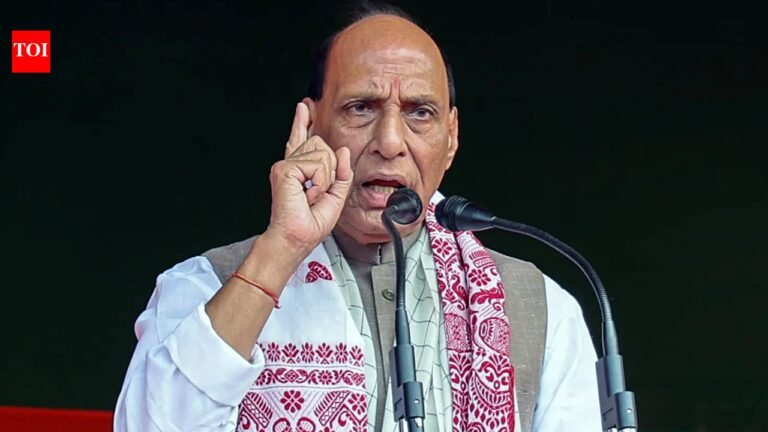
Defense Minister Rajnath Singh (ANI)

New Delhi: Defense Minister Rajnath Singh on Wednesday launched a sharp attack on the Left Democratic Front (LDF) and the United Democratic Front (UDF), accusing them of “cheating” the people of Kerala for decades.Addressing a public meeting in the Palaval Assembly constituency, Singh said the two alliances may look different but are similar in terms of politics and governance.

watch

Beyond freebies and perks: What will decide Kerala 2026 polls?

“The LDF and UDF have been cheating the hardworking and honest people of Kerala for decades. Their flags and election symbols may be different, but their behavior and character are the same. Their ideas are also the same. They are both working to divide the society and destroy the economy of Kerala,” Singh said.“The people of Kerala do not vote for LDF or UDF; instead, they vote one of the two out of power. But unfortunately, the other automatically comes to power.”Singh also stepped up his criticism, accusing both alliances of corruption and poor governance.“People of Kerala know that LDF means plunder, division and failure. UDF means untrustworthy, dishonest and fraud. The ‘F’ in both stands for ‘Corruption Front’,” he added.His remarks come as the Bharatiya Janata Party-led National Democratic Alliance intensifies its campaign in Kerala ahead of the April 9 assembly elections, as it seeks to expand its influence in a state long dominated by the CPI(M)-led LDF and the Congress-led United Front.

polling

Which factor had the greatest impact on your voting decision?

LDF, led by CM Pinarayi Vijayanhas been in power for nearly ten years.Meanwhile, NDA candidate Anup Antony from Tiruvalla expressed confidence in the prospects of the BJP, saying the party’s vote share has steadily increased over the years and voters are now looking for credible alternatives.The Kerala Assembly elections will be held in one phase on April 9 and counting of votes is scheduled for May 4.

America’s most feared serial killer: The story of Ted Bundy, who studied psychology and law before murdering more than 30 women | World News

0

America's most feared serial killer: The story of Ted Bundy, who studied psychology and law before murdering more than 30 women

More than three decades after Ted Bundy was executed, his criminal history still casts a deep shadow. Recently, a decades-old mystery was finally solved when new DNA evidence confirmed his role in the 1974 murder of Laura Ann Aime, which had long been suspected but never proven. The announcement by the Utah Sheriff’s Office closes a painful chapter for the victim’s family, but also reignites global interest in Bundy himself, whose crimes continue to unfold even decades after his death.This confirmation is more than a forensic breakthrough. It expanded the scale and scope of Bundy’s crimes, many of which spanned multiple U.S. states in the 1970s. With at least 30 admitted victims and probably many more, Bundy’s story remains one of the most studied and disturbing stories in criminal psychology. Understanding how he operated, and how he was able to evade detection for so long, requires a closer look at the man behind the headlines, his beginnings, his methods, and the troubling contradictions that defined his life.

Ted Bundy’s normal life hid a darker truth

Bundy was born in Vermont in 1946 and later grew up in Washington, D.C., growing up in seemingly ordinary circumstances. He is smart, articulate and socially competent. He studied psychology in college, went to law school, and even worked on political campaigns. In the eyes of those around him, he presented an image of a disciplined, ambitious young man with a bright future.It’s this contrast that makes Bundy’s story particularly disturbing. There was no clear indication that he would become one of the most notorious serial killers in American history. Friends and acquaintances often describe him as polite, charming and able to blend easily into social situations. This ability to appear normal was not an accident but a key part of how he committed his crimes. The disparity between his appearance and behavior continues to challenge assumptions about how to identify dangerous people.

The beginning of violence

By the early 1970s, Bundy’s behavior had escalated into violence. Under similar and increasingly alarming circumstances, young women across the Pacific Northwest are beginning to disappear. These are not random behaviors but part of a developmental pattern. Bundy often targeted women with similar physical characteristics, whom he would approach in public places so he could appear non-threatening.He often uses deception as his primary tool. He pretended to be injured, sometimes wearing a cast or using a cane, and relied on his social instincts of sympathy and trust to seek help. Once the victim agreed, he subdued her and took her to a second location. This calculated approach allowed him to move repeatedly without immediate suspicion, shuttling between states such as Washington, Utah and Colorado while leaving a trail of confusion for investigators.As his crimes continued, the pattern became more elaborate and dangerous. A combination of planning, mobility and manipulation meant he was able to commit multiple murders before law enforcement connected the case. At the time, there was limited coordination between jurisdictions, giving him a key advantage.

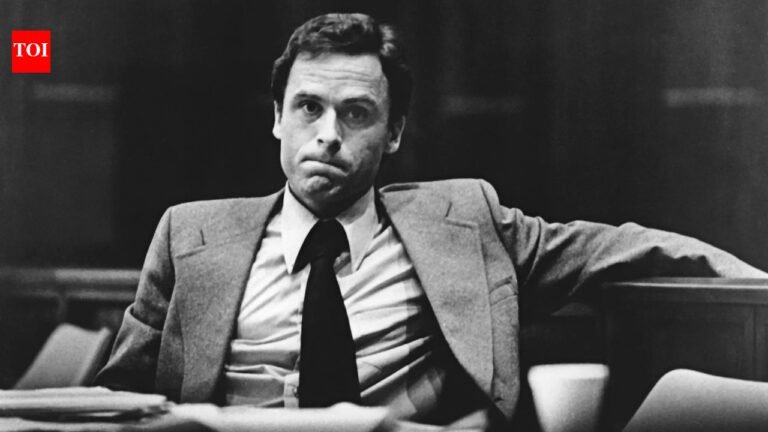
Ted Bundy

Utah connections and growing suspicion

Bundy’s move to Utah in 1974 marked an important phase in his killing spree. While attending law school, several young women disappeared in the area, including Laura Ann Aime. At the time, authorities suspected a connection between the cases, but the evidence was insufficient to definitively link the cases to a single perpetrator.Over time, Bundy himself admitted to committing several murders in Utah, but many details remain unclear. Recent DNA identification has provided concrete evidence in at least one of the cases, demonstrating how modern forensic technology continues to reshape the understanding of crimes committed decades ago. The Utah period highlighted the scale of Bundy’s activities and the limitations investigators faced when tracking traveling criminals from state to state.
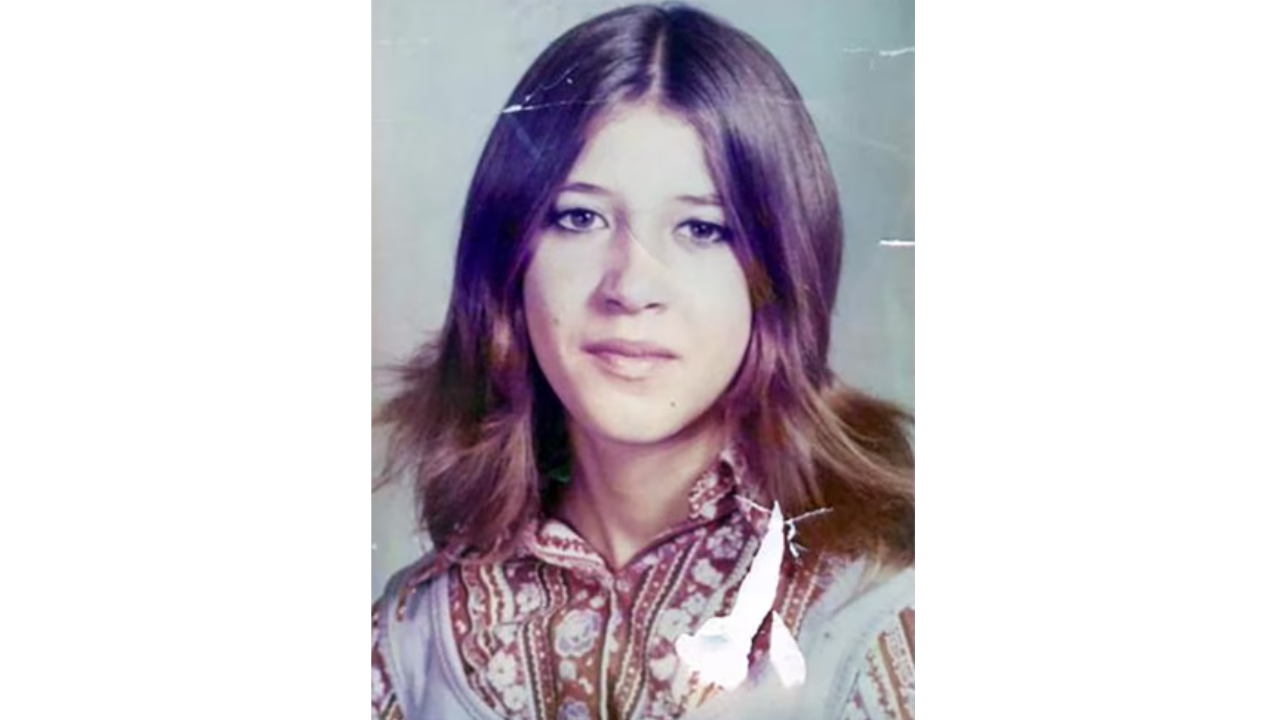
Laura Ann Aimee

Laura Ann Aimee

arrestescape, upgrade

Bundy was first arrested in 1975 after arousing suspicion at a traffic checkpoint. Items found in his vehicle, including tools that could have been used for restraints, linked him to previous incidents. However, his story did not end with his arrest. In a series of events that alarmed authorities, Bundy twice managed to escape custody while facing murder charges in Colorado.These escapes were not just acts of desperation but reflected his confidence and ability to manipulate situations. After his second escape, he fled to Florida, where his behavior became more erratic and violent. In 1978, he carried out a brutal attack on a college fraternity house, killing two women and injuring many others. This marks a shift in his paradigm, relying less on deception and embracing more direct violence, signaling an escalation in urgency and stakes.

Trial, Media Attention and Enforcement

Bundy was eventually arrested in Florida, sparking one of the most widely watched trials in U.S. history. Unlike most defendants, he chose to represent himself in court, using his legal knowledge to question witnesses and address the jury. His calmness and confidence during the proceedings attracted widespread media attention, thrusting the trial into the public spotlight.Despite his attempts to defend himself, the evidence against him was overwhelming. He was convicted and sentenced to death. Bundy was executed in the electric chair in Florida in 1989, ending his life but not erasing the impact of his crimes. In the days before his execution, he confessed to multiple murders, providing some insight into his actions but leaving many questions unanswered.

Inside the mind of Ted Bundy

Understanding the reasons for Ted Bundy’s crimes remains one of the most controversial questions in criminal psychology. Unlike many criminals who are driven by financial gain or personal revenge, Bundy’s motives were far more complex, rooted in a combination of control, fantasy and psychological disorder.Investigators who have followed the case closely point to power and dominance as central elements. Robert Keppel, a detective who conducted extensive interviews with Bundy before his execution, described him as a man driven by “possessiveness” rather than impulse. According to Keppel, Bundy’s crimes were motivated by an attempt to gain complete physical and psychological control over his victims, rather than any traditional motive.This view was reinforced by the work of John E. Douglas, one of the pioneers of FBI criminal profiling. Douglas classified Bundy as a “power control” offender, a category applied to criminals who derive gratification from dominance rather than material gain. In his analysis, Bundy’s physical charisma was not an accident but a carefully crafted tool that allowed him to manipulate trust and lower defenses.

women killed by ted bundy

women killed by ted bundy

Over time, Bundy himself offered changing explanations. In his final interviews, including with psychologist James C. Dobson, he claimed that exposure to violent pornography played a role in shaping his behavior. He described an escalation from curiosity to obsession that ultimately led to violence. However, many experts remain skeptical of this explanation, arguing that it is only partially true or biased rather than a complete account of its motivations.Criminologists also studied Bundy’s early life for clues. His upbringing left him confused about his origins, which some researchers believe may have contributed to underlying emotional instability. Yet most experts agree that no single factor can explain his behavior. Rather, his behavior is likely a combination of personality traits, including a lack of empathy, manipulation, and the ability to compartmentalize his life.Detectives who interacted with Bundy often noted his detachment and calmness when discussing his crimes. In one report, he avoided eye contact and withdrew when asked directly about some of his victims, suggesting that even he struggled to confront his actions. These glimpses are few and far between, however, and Bundy largely maintains control during the interactions.Ultimately, there is no easy answer to why Bundy killed. On a broader level, his story forces a rethinking of how we think about danger. Bundy did not fit the traditional image of a criminal. He is well educated, articulate, and superficially trustworthy. This disconnect between appearance and reality remains one of the most disturbing aspects of his case, and is still being studied in psychology and criminology.The latest confirmations in Laura Ann Aimee’s case highlight a larger truth. Even decades after his death, the full extent of Bundy’s actions is still being revealed.

Man sentenced to 10 years for raping deaf mute woman

0

男子因强奸聋哑妇女被判 10 年 RIJustice Pardeep K Sandhu also imposed a fine of Rs 10,000 on the convict Abdul Qayoom on Tuesday.Prosecutors said Qayyum raped the woman multiple times and threatened to kill her if she revealed the assault to anyone. However, the matter came to light when she became pregnant, prompting her family to report the matter to the police.The survivors identified the criminals during an identification procession in the presence of a magistrate.

Artemis 2 countdown delayed? NASA’s take on the latest issues facing the moon mission

0

Artemis II Release Update: just about an hour ago Artemis 2 launchNASA issued a statement regarding communications issues with the flight termination system. Meanwhile, NASA commentator Dror Nel, who was also in the control room, added that engineers were working to resolve issues with the Space Launch System rocket’s flight termination system. If they can’t fix the problem, a launch abort system will lift the Orion capsule and astronauts to safety. A flight termination system will then destroy the rocket.

The Artemis II Space Launch System (SLS) rocket and Orion spacecraft at Launch Complex 39B (Reuters)

“The situation here is very unique,” ​​Nel explains.

“This range is off-limits at the moment, but that doesn’t stop us from moving forward in the countdown,” he added.

Read more: Artemis 2 Weather Forecast: NASA releases latest update on lunar mission hours ahead of launch in Florida

Positive update from NASA

Meanwhile, the BBC reports that despite the problems, the NASA team is continuing to complete the final steps. The publication added that the Orion spacecraft’s hatch has been closed.

It seems that the countdown is about to start on time.

NASA’s launch team loaded more than 700,000 gallons of fuel into the 32-story-tall Space Launch System rocket early Wednesday in preparation for the evening’s launch, with a two-hour launch window beginning at 6:24 p.m. ET at Kennedy Space Center in Florida.

Artemis astronauts Reed Wiseman, Victor Glover, Christina Koch and Jeremy Hansen will be aboard the spacecraft. They would fly thousands of miles beyond the moon, turn around and come right back. No orbiting the moon, no stopping for a moonwalk, just a quick round trip lasting less than 10 days. NASA promises to leave more boot prints in the gray lunar dust, but only after a few practice missions.

Read more: Artemis 2 Cost Explained: How much did NASA spend on its latest moon mission? Who pays for this?

The last time astronauts flew to the moon was during the Apollo 17 landing in 1972.

Artemis 2 is the opening shot of NASA’s grand plan for a permanent moon base. The space program aims to land on the moon near the south pole in 2028.

“The next era of exploration begins,” NASA Administrator Jared Isaacman posted on the X (formerly Twitter) platform.

(With inputs from The Associated Press)

‘Subject of rumors and speculation’: Scott Mills breaks silence after BBC sacked over decades-old sex crimes investigation

0

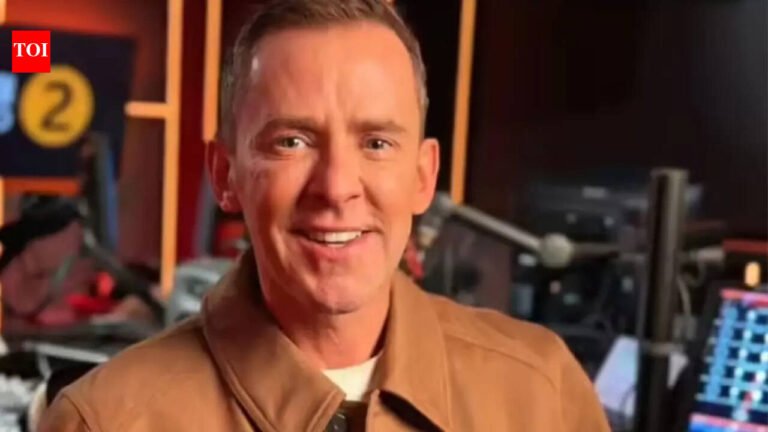
'Subject of rumors and speculation': Scott Mills breaks silence after BBC sacked over decades-old sex crimes investigation

Former BBC Radio 2 presenter Scott Mills has made his first public statement since being sacked by the broadcaster in response to past police investigations into alleged sex crimes.In a statement released through his lawyer, Mills said he had been the subject of “rumors and speculation” following his sudden exit.“My recent announcement that I was no longer contracted to the BBC has led to rumors and speculation,” he said.Mills confirmed he was at the center of the investigation, adding that police were investigating an allegation made in 2016 and that he had “fully cooperated” with authorities.He noted that the Crown Prosecution Service concluded there was insufficient evidence to bring charges and the case was closed in 2019.Mills said the allegation dates back nearly three decades and the investigation was concluded years ago, adding that he hoped the public would respect his decision not to comment further.“I want to thank … my former colleagues and my dear listeners, whom I miss terribly,” he said.

Why was he fired?

The BBC terminated Mills’ contract last week after receiving “new information” in recent weeks, despite knowing about the investigation as early as 2017.A spokesman said the broadcaster’s action was “decisive” and consistent with its internal standards and cultural reforms.

what is going on

The Metropolitan Police launched an investigation in 2016 into allegations of serious sexual offenses involving a boy under the age of 16, which are alleged to have occurred between 1997 and 2000.In 2018, Mills was interrogated under caution. However, prosecutors later ruled that their evidentiary threshold had not been met and no charges were filed.The identity of the alleged victim has not been released.

career and consequences

Despite the conclusion of the investigation, Mills continued to rise within the BBC and went on to present one of the UK’s most famous radio programmes, The Radio 2 Breakfast Show.His last show aired in March before he abruptly went off the air. He finally said “come back tomorrow” but didn’t come back.Separately, a children’s charity he was associated with parted ways with him following the controversy.The BBC said the organization had been aware of the investigation for years and was reviewing what it knew internally about the case.The broadcaster reiterated its commitment to improving workplace culture and said action would be taken if standards were not being met.

Government: Delhi lost Rs 1,717 crore to digital fraud since 2023, recovered only 10%

0

New Delhi: Delhi lost a total of about Rs 1,717 crore due to digital payment fraud and cyber cheating between 2023 and 2025, of which only 10% can be recovered, the home ministry told the Indian Parliament on Wednesday. Reference details provided by the provider delhi policejunior interior minister Nityananda RaiIn response to questions, he said that in 2023, 2024 and 2025, a total of 1,475, 1,707 and 3,800 cases of digital payment fraud and online fraud were reported in the national capital. “The total amount defrauded by the victims in these cases is Rs. 1,716.6 crore. So far, Rs. 1.748 billion has been recovered,” he said, adding that timely reporting of fraud is a key factor in recovering the defrauded funds. Rai said that 15 cyber police stations and 2 cyber cells are functioning in Delhi and the total staff includes 40 inspectors, 115 sub-inspectors, 64 assistant sub-inspectors, 371 superintendents of police and 323 police personnel.The minister listed the measures taken by the Delhi Police against digital payment scams, which affect the middle class and economically weaker sections the most. The minister said the Delhi Police has expanded the ‘1930’ helpline and set up a dedicated Delhi Cyber ​​Financial Fraud Mitigation Center (DCFMC) at Connaught Place station where nodal officers from 14 banks are working with the police to immediately freeze (lien mark) the scammed funds.In addition, a dedicated team is stationed in India cybercrime The coordination center (I4C) under MHA coordinates with more than 40 banks for real-time information sharing.Victims can file FIRs online; the registration threshold was recently reduced from Rs 10 lakh to Rs 1 lakh to expedite legal action.To spread cyber awareness, students in grades 9 to 11 are receiving cyber hygiene training under the Cyber ​​Warrior Diversity Program; as well as digital content shared on various social media platforms to combat cyber bullying, stalking and digital arrest scams. In addition, dedicated media campaigns have been launched against employment scams and investment fraud. Citizens are informed about cyber fraud through ‘jaagrookta diwas’ events held on the first Wednesday of every month in schools, shopping malls and residential areas.

NASA’s Artemis 2: Why it took decades to return humans to the moon; experts explain

0

More than 50 years after the Apollo missions, NASA is finally ready to send astronauts around the moon again Artemis 2. Despite the huge advances in technology over the years, sending humans back into deep space has proven to be more complicated than it seems.

More than 50 years after the Apollo program, NASA's Artemis 2 mission demonstrates the complexities of returning to the moon. (Reuters)
More than 50 years after the Apollo program, NASA’s Artemis 2 mission demonstrates the complexities of returning to the moon. (Reuters)

Why space travel remains difficult

based on conversationThe first thing to understand is that safely sending humans into space has never been easier, it’s only getting more complicated. New technologies require years of research, development, and testing before they can be trusted by humans. Even so, the problem occurred in a way that surprised even the most experienced engineers.

Two recent examples illustrate this clearly. Boeing’s Starliner spacecraft is experiencing serious thruster problems, so much so that NASA decided to send it back from the International Space Station without a crew present. A heat shield on the Orion capsule, the same spacecraft that carried the Artemis 2 crew, broke in an unexpected way during the unmanned Artemis 1 mission, sparking years of additional research and forcing NASA to completely change its re-entry plans.

These are not failures of imagination. They’re a reminder of how unforgiving space travel still is.

NASA’s mission also relies on long-term political and financial support. After the Apollo era, budget cuts in the 1970s led to the cancellation of planned lunar missions, shifting focus to projects such as Skylab and later the space shuttle program. For decades, NASA focused on low-Earth orbit, including building and maintaining the International Space Station.

Artemis journey so far

Artemis 1 launches in 2022, the first mission to simultaneously test the Space Launch System and Orion during a 25-day unmanned flight. Artemis 2 will be the first manned mission, sending four astronauts on a 10-day trip around the moon, which will help prepare for future landings. Although it took more than 50 years to return, experts say the wait was just a small part of NASA’s long journey back to the moon.

Also read: Artemis 2 Weather Forecast: NASA releases latest update on lunar mission hours ahead of launch in Florida

Every president has a different direction

One of the biggest reasons returning to the moon has taken so long is the lack of stable political support over the years. NASA’s plans often change with the U.S. government.

In the late 1990s, the Clinton administration asked NASA to look beyond the space station. The issue took on added urgency after the space shuttle Columbia disaster in 2003, which raised serious concerns about the future of human spaceflight.

In 2004, President George W. Bush laid out a vision for space exploration that called for NASA to retire the space shuttle and focus on returning humans to the moon and eventually Mars. This led to the Constellation program, which included the Orion capsule and new rockets called Ares I and Ares V.

However, a 2009 review found that NASA’s plan was too expensive for its budget. The Obama administration canceled the Constellation program, but the Orion spacecraft continues. In 2010, NASA was also tasked with building a new heavy-lift rocket, which later became the Space Launch System.

Later, in 2017, the Trump administration once again shifted its focus back to the moon and set a lunar landing goal. Finally, in 2019, the effort was officially named Project Artemis.

Also read: Artemis 2 Cost Explained: How much did NASA spend on its latest moon mission? Who pays for this?

A multi-billion mission

Artemis II is part of NASA’s larger Artemis program, which has cost more than $90 billion and may exceed $100 billion. Because deep space travel requires advanced systems, each launch, including Artemis 2, is estimated to cost more than $4 billion. The mission is primarily funded by the U.S. government, with support from international partners and private companies, making it one of the most expensive space programs since the Apollo program.

$20M scam at 30,000 feet: Everest guide accused of poisoning hikers for insurance money World News

0

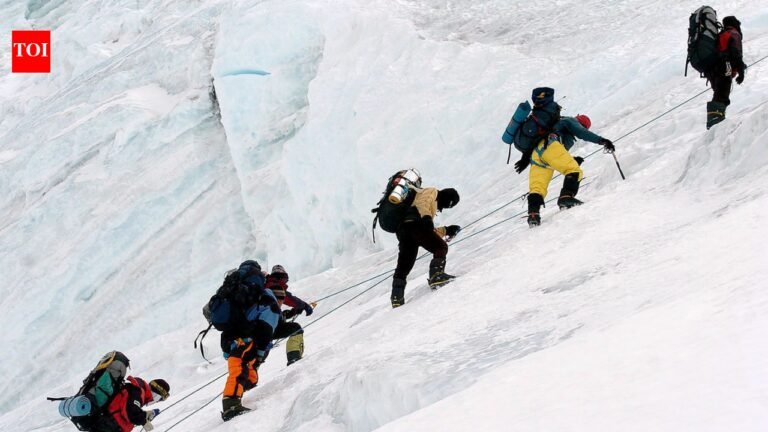
$20M scam at 30,000 feet: Everest guide accused of poisoning hikers to collect insurance payouts

Nepal’s tourism industry is facing one of its worst controversies in years after police uncovered a $20 million insurance fraud linked to Everest trekking routes. Authorities say a network of guides, trekking agencies, helicopter operators and medical personnel worked together to exploit international travelers by deliberately inducing illness and organizing unnecessary emergency evacuations. The case has resulted in charges against 32 people and raised urgent questions about oversight, ethics and safety at one of the world’s most iconic adventure destinations, where thousands of hikers come each year in search of once-in-a-lifetime experiences.

How the Everest poisoning scam works

Investigators said some hiking guides had tampered with tourists’ food and added baking soda and other substances, causing gastrointestinal discomfort. The symptoms include vomiting, nausea and weakness and are very similar to altitude sickness, a real and potentially fatal illness at high altitudes.Once hikers become ill, they are forced to conduct emergency helicopter evacuations, often seen as a life-saving necessity. They are then sent to partner hospitals or clinics, where diagnoses are exaggerated or fabricated and, in some cases, exaggerated or unnecessary treatment options are presented. Authorities say the aim is to create a compelling medical emergency so that insurance companies can immediately approve expensive evacuation and treatment.

Forged documents and insurance claims

At the heart of the case is a fraudulent filing system. Police said those involved falsified medical reports to justify the evacuation and created or altered flight records and invoices to support those claims. These documents are then used to coordinate with insurance companies and ensure quick reimbursement.Investigators estimate that the network generated approximately $19.69 million in insurance payouts, making it one of the largest cases of fraud related to Himalayan tourism. A police official described the operation as “organized and systematic”, involving multiple stakeholders along the trekking and rescue chain.

$20M scam at 30,000 feet: Everest guide accused of poisoning hikers to collect insurance payouts

who is accused

Nepalese authorities charged 32 people under organized crime and fraud provisions. Those charged include trekking agency owners and guides, helicopter company operators and hospital administrators and medical staff.The range of roles shows that the program is not isolated but relies on coordination between different parts of the tourism ecosystem, suggesting a deeply interconnected network.

Why helicopter rescue is vulnerable to abuse

Helicopter evacuations in the Everest region are both necessary and expensive and are often the only viable rescue option in emergencies. An evacuation can cost thousands of dollars and is often covered by international travel insurance.Due to harsh terrain and limited infrastructure, decisions must be made quickly, so insurance companies often do not have time to verify claims in real time. This combination of urgency and high cost reduces scrutiny and leaves the system vulnerable to exploitation.

Impact on hikers and tourism industry

The case raises serious concerns about traveler trust and safety. Visitors may now question whether the medical advice provided during treks is truly in their best interests or is influenced by financial incentives. This uncertainty could affect Nepal’s reputation as a safe trekking destination.Tourism is a key pillar of Nepal’s economy and any erosion of confidence could have wide-ranging ramifications. Ethical operators who follow appropriate standards may also find themselves affected as the controversy casts a pall over the wider industry.

Wider attention patterns

The case also highlights ongoing problems with high-altitude tourism, including overcrowding on Everest routes, increasing commercialization of expeditions and limited oversight of remote areas.While most tour guides and operators follow professional standards, authorities said the case exposed system vulnerabilities that could be exploited on a large scale, especially when multiple stakeholders are involved.The defendants are currently facing legal proceedings in Nepal and may be punished under the Organized Crime and Fraud Act. Investigators are looking into whether more victims will come forward and whether insurance companies will seek recovery or compensation.As the investigation unfolds, the case could reshape how insurance companies, tourists and authorities approach high-altitude travel, where the line between a true emergency and a manufactured crisis is not always clear.

‘We will fight back’: AIADMK chief Palaniswami criticizes Stalin for ‘talking bad about him’; slams Congress Union ministers

0

Edappadi K Palaniswami campaigns in Sivaganga constituency

New Delhi: At rally held in Sivaganga tamil nadu Amid the assembly polls, Edappadi K Palaniswami on Wednesday launched a sharp attack on Chief Minister Stalin, accusing him of forging alliances out of “fear of failure” and claiming that law and order under the ruling dispensation has been destroyed.Palaniswami claimed that “out of fear of failure, Stalin begged the Congress to form an alliance with the great old party”, targeting the ruling Dravida Munnetra Kazhagam (DMK) and its collaboration with the Congress.Responding to Stalin calling him “Sanchi” Artificial Intelligence ADMK The First Minister should “appropriately use words that are consistent with his status”, the First Minister said. He also warned that “Stalin is deliberately speaking ill and attacking me and the AIADMK in a defamatory manner – we will fight back.”Palaniswami, meanwhile, cited the cases of POCSOs in various states, raising security concerns and claiming that “women and children have no safety under the DMK regime”. He further asserted that while “the rule of law prevailed in the AIADMK regime, it became a laughing stock in the DMK regime.”The AIADMK leader also announced financial support by ensuring assistance of Rs 5 lakh per person for “permitted sites” for carrying out the bull-taming sport Jallikattu.The Tamil Nadu Assembly elections will be held in phases on April 23, with counting scheduled for May 4 election commission of india explain.The Model Code of Conduct has entered into force, launching the 234-member General Assembly, whose term ends on May 10, 2026.The last date to submit nominations is April 6, reviews will take place on April 7, and candidates can withdraw until April 9.Voting will be held at 2.19 lakh polling stations across four states and one Union Territory, with around 25 lakh officials deployed.

Corey Lewandowski responds to new Kristi Noem-Brian Noem controversy; ‘Stand by her side’

0

Corey LewandowskiShe was reportedly having an affair with former Homeland Security chief Kristi Noem, and she has stood by the 54-year-old and her husband, Brian, as they faced difficult times. The New York Post reported on Wednesday, citing sources, that the former aide was actively working behind the scenes to deal with the crisis.

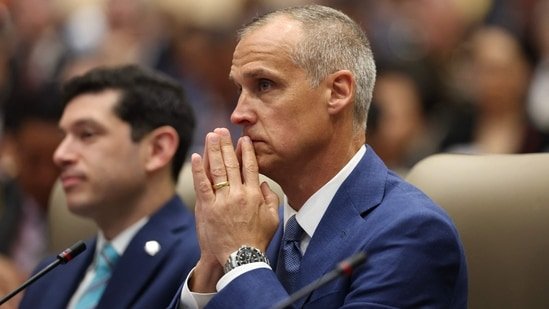
Former U.S. Department of Homeland Security Special Advisor Corey Lewandowski listens at the first Americas Anti-Cartel Conference (AFP Getty Images)

What is the Brian Noem controversy about?

Brian Noem sparked the controversy after sharing photos of himself in drag in online circles linked to a niche fetish community, according to a report in the Daily Mail. The images, described as featuring exaggerated prosthetics, quickly went viral.

Read more: Donald Trump reacts to Brian Noem cross-dressing controversy, ‘Too bad…’

While the allegations have put intense pressure on Noem, insiders told The Washington Post that Lewandowski has stepped into a core advisory role, something he has done before. He held an informal but influential position in her orbit during her tenure as Homeland Security secretary.

Even after being fired from that role by Donald Trump, Lewandowski is said to have remained in close contact with Noem. According to sources in the New York Post, the two continue to coordinate closely to try to stabilize the situation.

At the same time, Noem’s personal life has also become the focus of attention. Despite the controversy, she and her husband reportedly still live at the Coast Guard Commandant’s residence in Washington due to safety concerns.

A rep for Noem told the publication that she was “shocked” by the allegations involving her husband as the political fallout from the incident continues to unfold.

“He’s a survivor,” a senior Republican strategist who knows both of them well told The Washington Post.

Read more: Bryon Noem’s Career: 5 Things to Know About Kristi Noem’s Husband Amid ‘Drag Obsession’ Allegations

The latest on Corey Lewandowski

Meanwhile, Reuters quoted a Department of Homeland Security spokesperson as saying that Levandowski was no longer cooperating with the agency. A Department of Homeland Security spokesman said he “no longer holds a position at the Department of Homeland Security,” but did not provide further details. Lewandowski served as an unpaid adviser to Noem. He previously served as Trump’s campaign manager in the 2016 election.

Trump fired Noem earlier this month, saying she would become a special envoy for the new “American Shield” initiative to promote his security policies in the Western Hemisphere. Noem has since been replaced as head of the Department of Homeland Security by former U.S. Sen. Markwayne Mullin, an appointment confirmed by the Senate on Tuesday.

The close relationship between Lewandowski and Noem has drawn scrutiny. During a congressional hearing earlier this month, a Democratic lawmaker asked Noem directly whether she had a sexual relationship with Lewandowski — a question Noem dismissed as “tabloid trash.”

(Information provided by Reuters)