

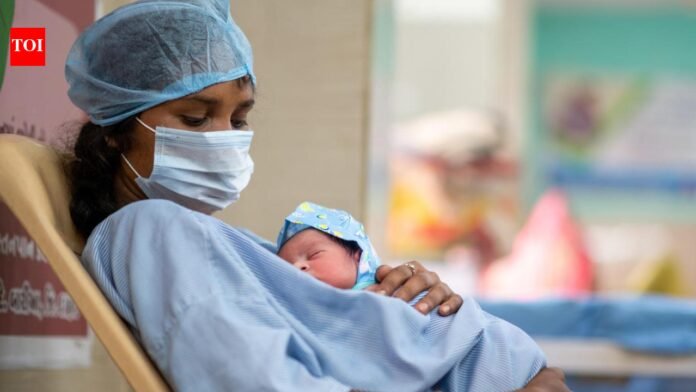
New Delhi: In a move that could transform the way maternal and child healthcare is delivered, the Center has launched a new digital platform – JANANI (Journey to Integrated Antenatal, Perinatal and Newborn Care) to track pregnancy, delivery and newborn care across the country.A key feature is a QR code-based digital maternal and child health card that gives doctors immediate access to medical records even if the patient moves to another state. This is expected to help immigrant families who often lose continuity of care.The platform is an upgraded version of the government’s Reproductive and Child Health (RCH) portal that tracks pregnancy, childbirth and child health, creating a longitudinal digital health record for every woman during her reproductive years, covering the entire cycle from pregnancy and delivery to postpartum and newborn care and family planning.Unlike earlier RCH systems, Janani Provides real-time tracking, QR code-based digital records and integration with other health plans, allowing for continuous monitoring and timely intervention.Hon Dr Rahul Manchanda, Senior Consultant (Endoscopic Gynecology), PSRI Hospitals, said, “This can improve key indicators such as maternal and neonatal mortality. A major benefit is the portability of digital health records, especially for mobile populations, enabling continuity of care across states and cities. At the same time, strong safeguards must be put in place to protect patient data and ensure that only authorized personnel have access to records. The Digital Personal Data Protection (DPDP) Bill should also incorporate strong protections for such healthcare platforms. “Officials say JANANI will help ensure pregnant women and newborns don’t miss important exams, vaccinations or follow-up visits. The system generates alerts and reminders and provides real-time dashboards for monitoring and targeted intervention.It can flag high-risk pregnancies early so doctors can intervene promptly and reduce complications.The platform also integrates with other national programs such as U-WIN, which tracks immunization, and POSHAN, which focuses on nutrition and child health, improving coordination across services. Women can register using Aadhaar, ABHA or mobile number, or they can register themselves through mobile or online platforms.To date, more than 1.34 billion beneficiaries, including more than 3 million pregnant women, have been registered, and more than 3 million digital health cards have been generated.Officials said the move is aimed at strengthening last-mile healthcare services and ensuring that no mother or child is left behind, especially the vulnerable and migrant population.
New digital system tracks every pregnancy to ensure no mother or child is missed

WEB DESK TEAMhttps://articles.thelocalreport.in
Our team of more than 15 experienced writers brings diverse perspectives, deep research, and on-the-ground insights to deliver accurate, timely, and engaging stories. From breaking news to in-depth analysis, they are committed to credibility, clarity, and responsible journalism across every category we cover.
Related articles
Recent articles
