
In the high-pressure world of corporate mergers, political campaigns, and legal proceedings, the urge to react is often very strong. When an opponent makes a public mistake, the natural human response is to immediately attack, point out the weakness, and claim victory. However, Often the most powerful response in competitive strategy is no response at all.This amazing patience can be described by a famous saying: “Never interrupt your enemy when he makes a mistake.” This statement does not support inaction out of weakness. Rather, it shows the power of self-control and timing. It shows that when opponents injure themselves through bad decisions, premature intervention can prevent their mistakes from fully developing, warn them of danger, or refocus their scattered attention. By staying out of the situation and allowing mistakes to continue, strategists can ensure that their opponents bear the full cost of their decisions. This remains an important lesson in human conflict, as it values timing and discipline over unnecessary aggression.
Frozen fields in Austerlitz
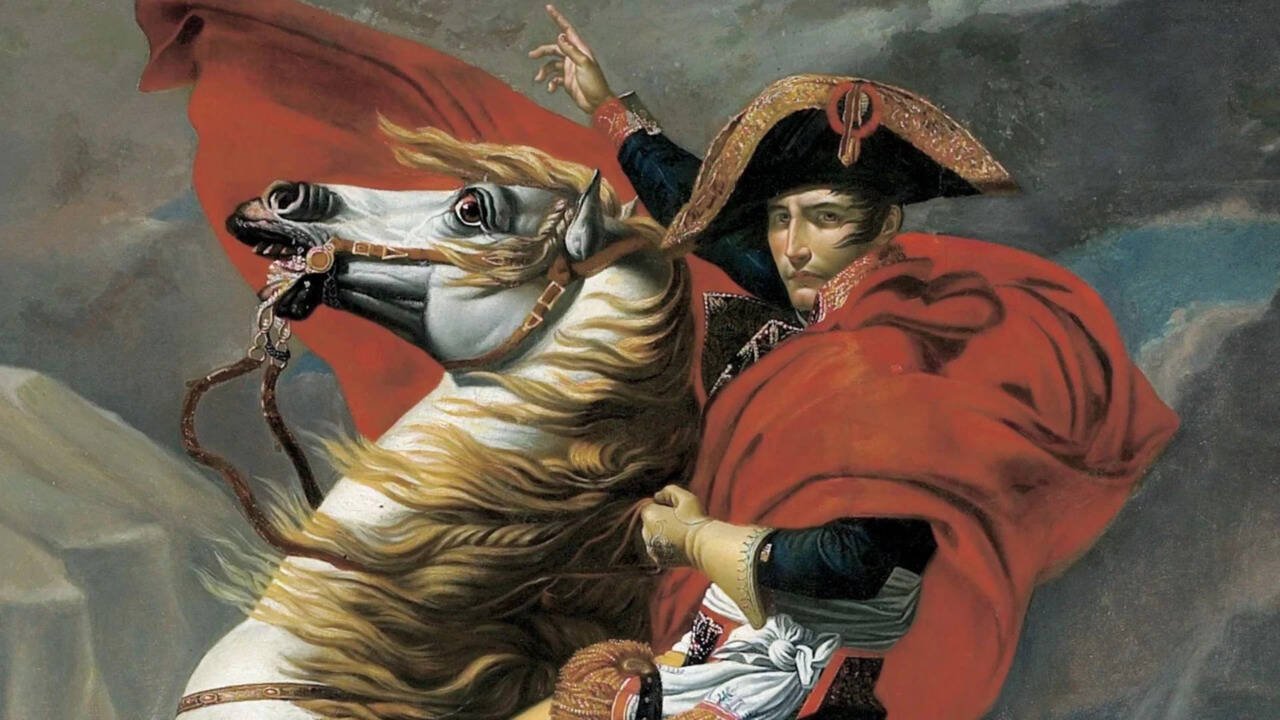
Although popular culture often associates the modern phrasing of this sentence with Napoleon BonaparteHistorical records show that the French Emperor followed this philosophy in one of his greatest triumphs. December 2, 1805 Napoleon Faced the combined Russian and Austrian forces at the Battle of Austerlitz.As the morning fog cleared, Napoleon saw the Allied commanders leaving Pratzen Heights, the most important position in the center of the battlefield. They were actively trying to attack the French right wing, but their actions created serious weaknesses. Napoleon’s officers became concerned and urged him to attack immediately. Napoleon refused. The historical account in Antoine-Henri Jomini’s 1827 book The Politics and Military of Napoleon describes Napoleon explaining his decision to Marshal Soult: “When the enemy makes a wrong move, we must be careful not to interrupt him.” Later historians translated this idea into the famous English version used today.Napoleon understood that a premature attack would alert the Russian and Austrian commanders of their error. They may stop moving and consolidate their position. Instead, Napoleon waited until the Allied center was weak and exposed. He then launched a surprise attack, split their army into two, achieved a major victory and disintegrated the third anti-French coalition.
The discipline of strategic non-interference
Behind the simple meaning of this statement lies a deeper understanding of human behavior and decision-making. When people adopt the wrong strategy, they often fall into overconfidence, a desire to prove they are right, or a refusal to change course. If attacked by external adversaries during this process, new external threats will arise. This can force them to recognize problems, adjust strategies, or rally employees against external attackers.This idea is also related to ancient Eastern military thought, especially Sun Tzu in “The Art of War”which focuses on gaining an advantage by exposing your opponent’s weaknesses. True strategic patience requires controlling one’s emotions. Leaders must care more about the end result than the immediate gratification of attacking their opponents. The main idea is that an enemy’s mistake is a valuable opportunity, and that opportunity should not be spoiled by moving too quickly.
Practical applications in modern competition
In modern public life, the ability to avoid unnecessary reactions often distinguishes experienced leaders from impulsive ones. Many companies lose market position not because competitors beat them outright, but because they made internal mistakes while their competitors waited patiently.A clear example emerged in the smartphone competition of the early 2010s. When a major tech company releases a much-hyped flagship phone, only to suffer from severe battery problems and a global recall, its main rival doesn’t launch a scathing public attack or a mocking ad campaign. Instead, rival companies quietly continued with their own plans and allowed customers, news organizations, and regulators to focus on product failures. By remaining silent, it can benefit from customers switching to its products without causing additional public controversy.The same principle applies to political movements. During elections, candidates often have their campaigns undermined by scandal, miscommunication, or internal conflict. Seasoned political strategists understand that overly aggressive attacks can sometimes help their opponents. What starts out as false negative coverage about one candidate can become a contentious issue between both parties. By remaining silent, a movement can focus public attention on its opponent’s problems.
Know when to break the silence
The real trick behind this principle is knowing when not to use it. This strategy only works if your opponent’s mistakes naturally harm them. Waiting becomes dangerous if the mistake is actually a risky move that might succeed if ignored. Strategists must carefully decide whether an opponent has truly weakened themselves or whether action is needed to prevent future harm.Napoleon’s own history later demonstrated the dangers of misinterpreting an opponent’s behavior. During the invasion of Russia in 1812, Napoleon believed that the Russian army’s retreat showed weakness and poor planning. He allowed them to penetrate deeper into his territory, believing they had made a mistake. In fact, the Russians were using a deliberate scorched-earth strategy, destroying supplies and forcing French troops away from their support lines. Napoleon’s patience turned into a major strategic failure.The enduring lesson of this principle comes from a simple fact of human behavior: People often beat themselves up when given enough space. In a world where communications systems encourage immediate response, one of the most powerful strategic advantages remains the ability to wait, watch, and allow failed plans to collapse on their own.