

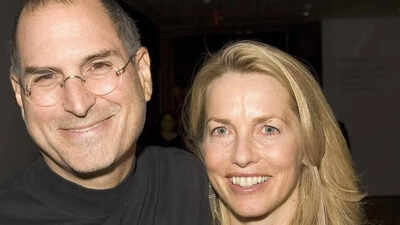
Billionaire philanthropist Laurene Powell Jobs’ early life was very different from the vast wealth she enjoys today. Although she now spends summers traveling from the Mediterranean to Australia aboard the $120 million superyacht Venus, her childhood in rural New Jersey was fraught with financial hardship and a complete absence of family vacations.Net worth exceeds US$14 billion, primarily established in apple The 62-year-old founder and president of Emerson Group is now considered one of the most influential women in the United States. Her multibillion-dollar investment portfolio, which includes luxury real estate and about $5 billion in charitable giving, did not come from an inheritance. Rather, it stems from a lower-middle-class upbringing where nature was the family’s primary source of entertainment.
Four brothers and sisters living in the countryside
Powell Jobs grew up with three brothers in a family where money was always limited. Her father died when she was three, leaving her mother, a teacher, to raise four young children alone. That experience changed her outlook on life.In an interview with Tilting Futures, Powell Jobs said that her childhood was in the countryside, not the suburbs. She remembers that she and her brothers were similar in age and did almost everything together. The family cannot afford holidays or regular trips away. Instead, their free time depends on seasonal changes in northwest New Jersey.In the summer, instead of going to the private pool, the children swim in the nearby lake. In the winter, they skated on the frozen lake. Despite these financial challenges, Powell Jobs later said that she never felt like her childhood was missing: “But the place we lived was rich and full of fun, and we were very curious children.”
From student debt to corporate finance
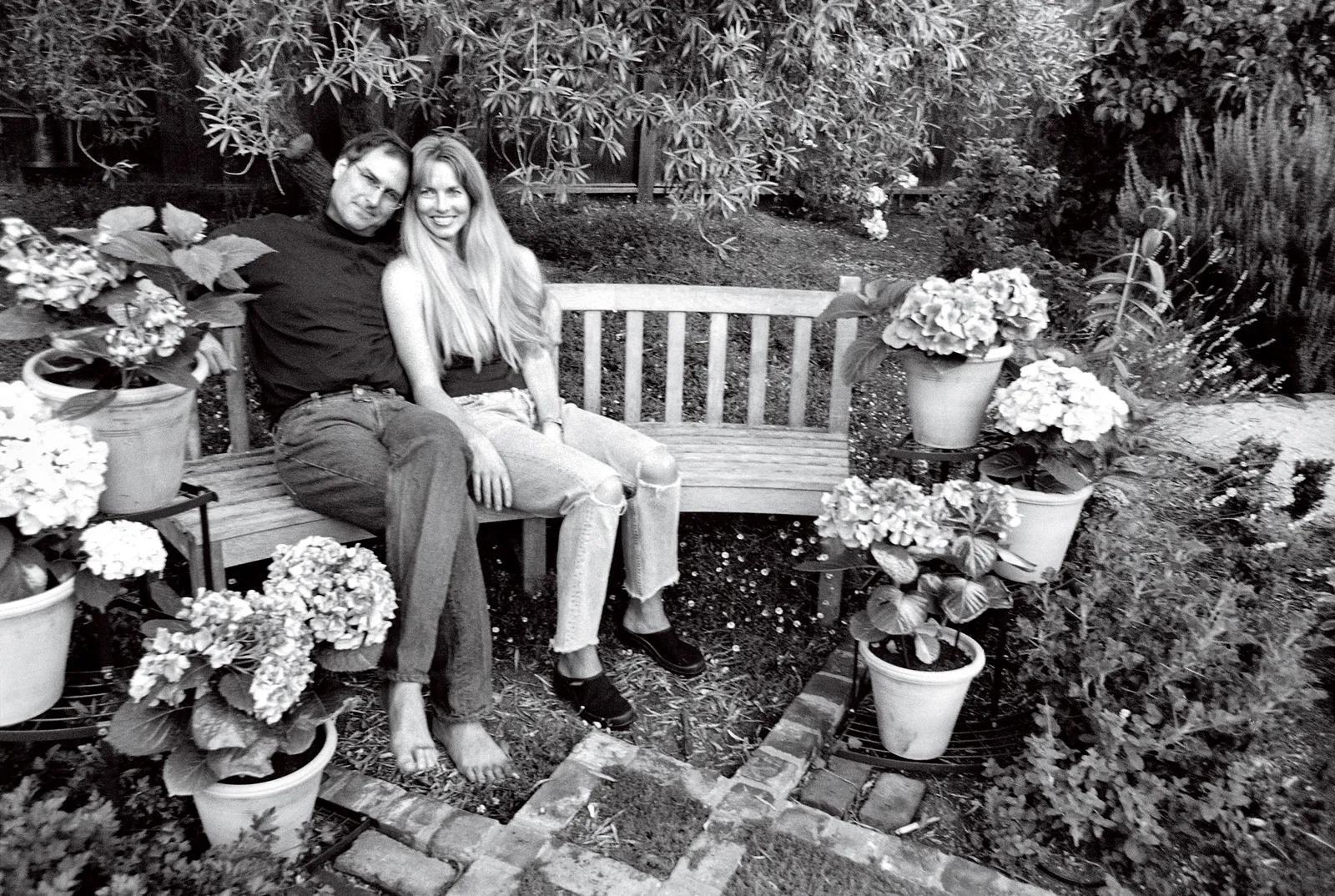
It took her years of hard work to get from rural New Jersey to the pinnacle of American business. She attended the University of Pennsylvania, where she accumulated a large amount of student loans to pay for her education. After graduation, she needed to become financially independent as soon as possible.Although she was interested in public service, the need to pay off her student loans prompted her to move into corporate finance. She accepted a job at Goldman Sachs and stayed there until her education debt was paid off. Only once she was financially stable did she feel able to explore business opportunities and philanthropic work.A big turning point came when she was attending Stanford University’s Graduate School of Business. There she met her future husband, Steve Jobsafter attending one of his guest lectures at the university. Their relationship eventually tied her to the growing success of Apple and Pixar, although she continued to build her career around social causes and environmentally conscious businesses.
Earth Cruiser Before Superyacht
Long before owning one of the world’s most famous superyachts, Powell Jobs started her first business with a classmate at Stanford University. Together they founded Terravera, an organic, vegan food company that provides healthy meals to office workers across California.The business is run from a mobile food truck called the Earth Cruiser, a white van with a candy-striped canvas awning. It provides healthy vegetarian meals to office workers while reflecting Powell Jobs’ growing interest in healthy food and the environment. Years later, she brought those same values to the Waverly Street Foundation, which has invested billions of dollars in projects to combat climate change.
Apple’s early financial woes
The vast technological wealth that now supports these global environmental projects began during a period of severe financial uncertainty. When Steve Jobs founded Apple with Steve Wozniak and Ronald Wayne on April 1, 1976, the company had very little capital.Apple was founded to sell the Apple I, a personal computer designed and hand-built by Wozniak. In order to fulfill the first major order of 50 computers that California computer retailer Byte Shop agreed to buy, Jobs and Wozniak had to sell their most valuable personal belongings. Jobs sold his Volkswagen van, and Wozniak sold his programmable calculator to pay for the parts needed to build the machine.The company also faced uncertainty in its early weeks. Ronald Wayne, who wrote Apple’s original partnership agreement and designed Apple’s first logo, began to worry about the financial risks. He left the company less than two weeks after its founding, selling his 10% stake back to Jobs and Wozniak.In 1977, the introduction of the Apple II changed the future of Apple. Featuring colorful graphics, a plastic casing, and expansion slots, the computer was a huge success among consumers, schools, and businesses. Strong sales of the Apple II made Apple one of the leading companies in the growing personal computer industry, creating a fortune that would eventually become the multibillion-dollar estate that Powell Jobs managed.
legacy of venus
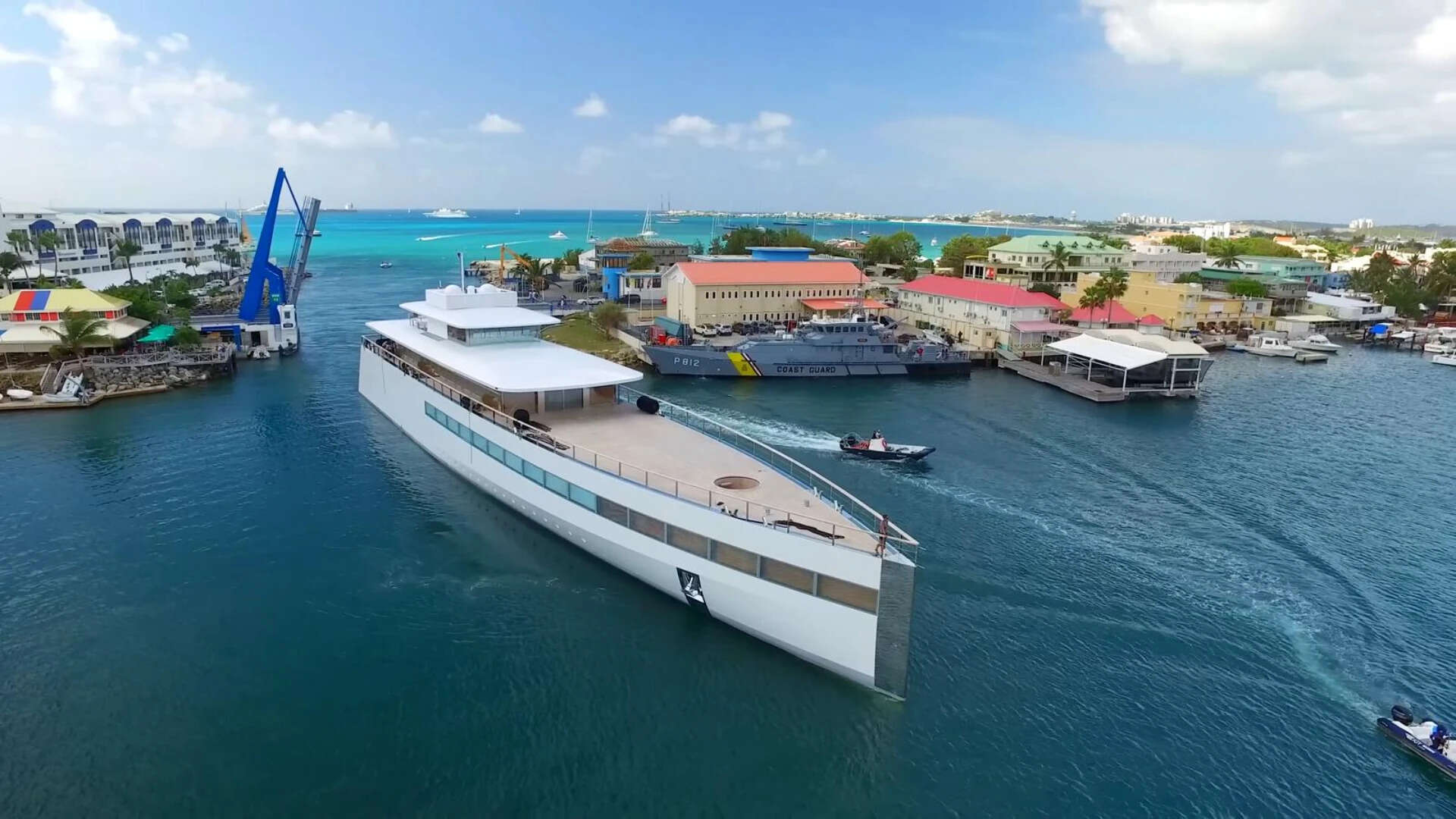
The $120 million glass palace turns Steve Jobs’ design language into floating icons. Image – Youtube/Captain Rick Moore
Today, one of the most visible symbols of this technological wealth is the superyacht Venus, a 78-meter-long vessel with minimalist glass walls designed by Philippe Starck. Steve Jobs first commissioned the yacht in 2008, making it one of his last major personal projects, and he discussed it with people including Bill Gates during his final months.Steve Jobs passed away in October 2011, about a year before the completed yacht was officially unveiled at the Feadship shipyard in the Netherlands. Ownership of the vessel passed to Powell Jobs upon his death in 2011.The superyacht continues to travel the world and recently made international headlines after colliding with another private yacht, the Lady Moura, off the coast of Naples.