

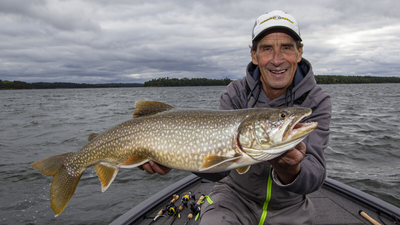
An aggressive campaign using commercial nets and angler bounties helped turn around a decade-long fight against non-native predators in northern Idaho’s largest lake. By 2016, ten years after the Idaho Department of Fish and Game (IDFG) began its suppression programme on Lake Pend Oreille, the number of adult lake trout had fallen by 64 per cent. According to research published by the United States Geological Survey (USGS), the sharp drop in lake trout allowed native rainbow trout and landlocked sockeye salmon, known locally as kokanee, to recover. For decades, Lake Pend Oreille was known for producing world-record trophy trout. But the accidental introduction and rapid spread of non-native lake trout (Salvelinus namaycush) later threatened the entire food chain. Lake trout feed heavily on kokanee salmon, which are a key food source for native bull trout and the lake’s prized Gerrard strain rainbow trout. As lake trout numbers grew, kokanee populations fell to historic lows. Wildlife managers were forced to close the popular kokanee sport fishery in 2000 to prevent the species from disappearing locally.
Bounties and deep-water netting
Facing a growing ecological crisis, IDFG worked with Avista Utilities, the USGS and local fishing groups to create a multi-part suppression plan in 2006. The programme used two main methods: angler bounties and targeted commercial netting. To involve local fishermen, the state introduced a programme that paid anglers $15 for every lake trout they caught and turned in. Fishermen responded strongly, removing tens of thousands of fish each year. Local fishing clubs and tournament organisers also supported the effort, turning regular fishing trips into large-scale lake trout removal operations. At the same time, commercial fishermen used deep-water gill nets and trap nets to target lake trout during spawning season. Crews placed nets hundreds of feet below the surface in known spawning areas, including Windy Bay and Granite Creek, catching adult fish before they could reproduce. According to the USGS study on the programme, using both methods was important. Nets caught large adult lake trout in deep spawning areas, while recreational anglers removed smaller fish spread through shallower parts of the lake where nets were less effective.
Kokanee stocks make a strong recovery
Removing more than 190,000 lake trout during the first decade produced major changes. IDFG monitoring reports from 2016 showed that kokanee numbers had recovered quickly. With fewer predators, more kokanee eggs survived and developed into young fish. Hydroacoustic surveys by state biologists found kokanee densities at levels not seen since the 1970s. Kokanee biomass increased more than tenfold from the lows recorded in the early 2000s, providing more food for other predatory fish. The recovery of kokanee also helped trigger changes across the wider ecosystem. Rainbow trout grew faster, while the average size of fish caught by anglers increased. Bull trout, which are listed as threatened under the United States Endangered Species Act, also benefited from the greater supply of prey. After the suppression programme began showing results, IDFG reopened Lake Pend Oreille to limited kokanee fishing in 2013. Catch limits were later increased as the population remained stable.
Long-term suppression remains necessary
Despite cutting adult lake trout numbers by 64 per cent, fisheries scientists warn that completely removing the species is not possible in Lake Pend Oreille. The lake is extremely deep and complex, reaching more than 1,100 feet at its deepest point. USGS models suggest that if suppression efforts stopped, lake trout numbers could recover within a few years and once again put pressure on kokanee populations. IDFG therefore continues a smaller netting programme and funds the angler bounty to keep lake trout numbers low. The results from the Lake Pend Oreille project have also become a useful model for managing invasive fish in western North America. Similar suppression programmes are now being used at places such as Yellowstone Lake and Flathead Lake.