
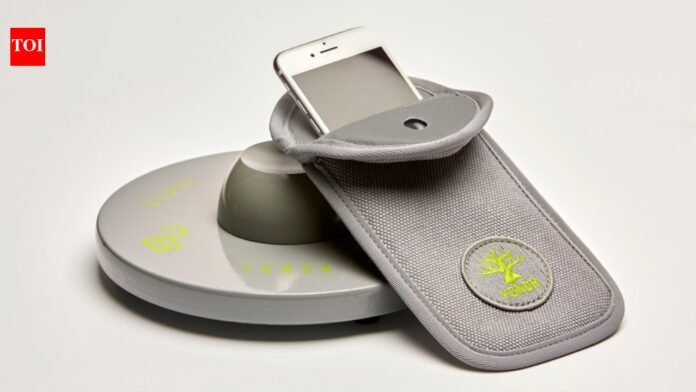
In classrooms across America, a product designed to enforce phone-free learning is being undermined by low-tech ingenuity. Yondr sells a $25 cell phone locking bag designed to keep students from physically accessing their smartphones during class while allowing students to take the device with them. But within weeks of the rollout in some districts, students began sharing solutions. A hard knock on a table, ordering a powerful magnet online, or even stuffing a well-chosen rock into a bag could be enough to pick the lock. Schools viewed this as a simplified solution, but many students now see it as a puzzle to be solved.
The purpose of mobile phone lock bag
The Yondr Bag is a magnetically lockable fabric cover. Students put their phones inside at the start of the day and unlock them at designated stations after school. The idea is to eliminate temptation, reduce classroom conflict and ease anxiety about lost or damaged equipment without confiscating it. School districts have spent millions of dollars adopting the system, at $20 to $25 per student.
How students break it
These methods are very simple. Some students have found that hitting the bag against a hard surface at an angle pops the lock. Others use strong magnets to release them directly. Another tactic is to slide a flat rock or virtual object into the bag to make it appear sealed while the phone remains free. Scissors and pencils are also used to pry or cut seams. Once a few students succeed, these techniques spread quickly through word of mouth and social media.
Why the system is failing in schools
These bags first became popular at concerts and comedy shows, where staff controlled access and the audience had no incentive to sabotage. Schools are different. Students handle the bags all day long, peer pressure rewards smart infractions, and enforcement is spotty. A successful bypass could undermine the trustworthiness of the entire system.When bags are damaged or cut, schools must replace them. Some district administrators say costs are adding up quickly, especially when budgets are already tight. Teachers question whether the same results could be achieved with cheaper options such as wall caddies, lockers or backpack rules.Some educators report that phone-free classrooms improve attention and discussion skills regardless of the method used. Others said the bag itself became a distraction. Parents also have their differences. Some people like to limit screen time, while others worry about delaying cell phone use in emergencies.
More important issues than hardware
Experts believe the debate over ostomy bags misses a deeper issue. Blocking access will not change students’ relationship with their phones. It only delays it. As one teacher put it, teenagers view the pouch as something to be outsmarted rather than a habit to rethink. Until schools view phone use as a cultural issue (rather than just a technical issue), even the strongest locks may be temporary.