

Foreign investor applicants using the EB-5 immigrant investor program will encounter increased filing fees and modifications to specific application processes due to a new rule from the Department of Homeland Security (DHS) overseen by US Citizenship and Immigration Services (USCIS).
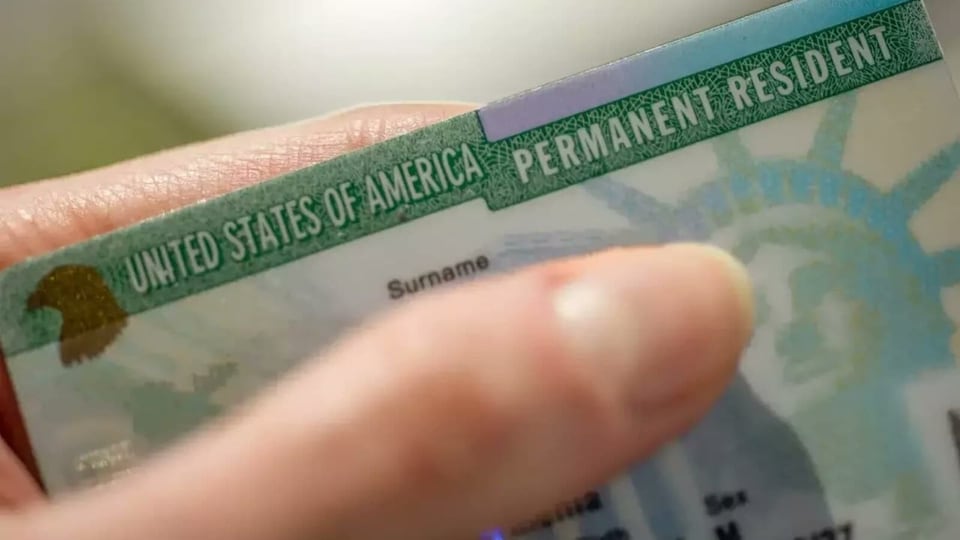
These modifications impact investor petitions, some current investors, and regional centers involved in the program. The updated fees will be implemented starting November 30, 2026.
These changes are part of the Trump administration’s efforts to tighten control over legal immigration, which includes modifications to visa and green card programs.
What is EB-5 visa?
The EB-5 visa initiative enables eligible foreign investors to pursue permanent residency in the US through an investment of at least $1.05 million in a qualifying enterprise, or $800,000 in a targeted employment zone or infrastructure project, with the requirement of creating a minimum of 10 full-time jobs.
Also Read: Infosys discloses DOJ investigation into H-1B visa filings, says potential impact remains uncertain
New EB-5 fees will be implemented on November 30
Applications, petitions, and requests that are postmarked on or after November 30 must include the fees set forth by the new regulation. Submissions that are postmarked before this date will still adhere to the fee structure that was in place at the time of mailing.
The DHS expects that the updated fee schedule will impact approximately 16,600 EB-5 applications each year. For the nine existing forms included in this regulation, the department has determined a weighted average fee increase of around 70.7%, which translates to roughly $2,946 per application. The specific fee increases will differ based on the form and any additional fees that may apply.
The department has calculated a weighted average fee increase of approximately 70.7% for the nine forms covered by this regulation, equating to about $2,946 for each application.
How much investors need to pay?
The filing fee for Form I-526, which is used by individual EB-5 investors, will increase from $3,675 to $7,615. This updated fee incorporates a $75 technology charge. The purpose of this technology fee is to fund enhancements to the USCIS systems that are employed for processing, adjudicating, and archiving EB-5 applications, as stated in the Federal Register notice.
When a regional center investor submits Form I-526E, the initial filing fee amounts to $7,850, which encompasses the technology charge. Additionally, the investor is required to pay a distinct EB-5 Integrity Fund fee, which will rise from $1,000 to $1,100.
An amendment to Form I-526E will incur a fee of $7,775. According to the final regulation, the technology fee is not applicable to an amendment of I-526E.
Form I-829, used by qualifying investors to request USCIS for the removal of conditions on their permanent resident status, will see an increase from $3,750 to $5,000. Typically, an investor can include an eligible spouse and children in the petition. However, family members not included may need to submit separate petitions as outlined in the rule.
Regional centers will incur increased annual fees for EB-5 Integrity Fund
Centers that have more than 20 qualifying investors will now be charged $22,000, an increase from the previous fee of $20,000. Similarly, those with 20 or fewer qualifying investors will see their fees rise to $11,000 from $10,000.
These fees are utilized to fund the oversight of the EB-5 program, which encompasses audits, site visits, and investigations into fraud, according to the Department of Homeland Security (DHS).
Regional centers that submit their annual Integrity Fund fees between November 1 and November 30 will incur a 10% penalty, which increases to 20% for payments made from December 1 to December 30. Centers that do not pay the fee along with any penalties by December 30 risk losing their designation.
The initial application for regional-center designation using Form I-956 will now be $44,115, while Form I-956F will be priced at $42,675.