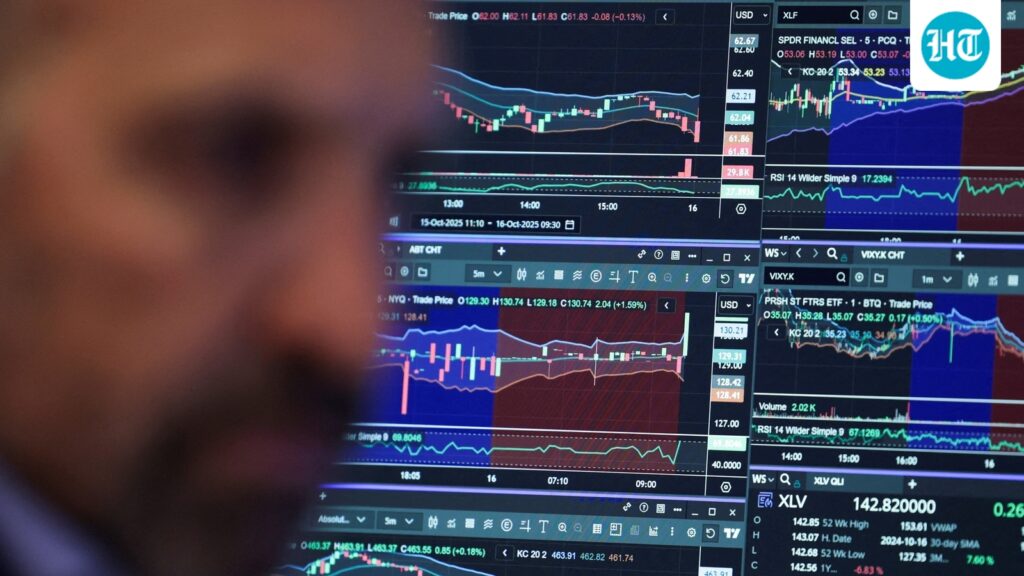

Global stock markets rose on Thursday, as European and Asian shares recovered from the recent technology-led sell-off. Investors also assessed a fresh round of tariffs announced by US President Donald Trump’s administration.

The recovery came after concerns about heavy spending on artificial intelligence (AI) and doubts over whether technology companies would earn enough returns from their investments triggered a sharp fall in global markets, according to CNBC.
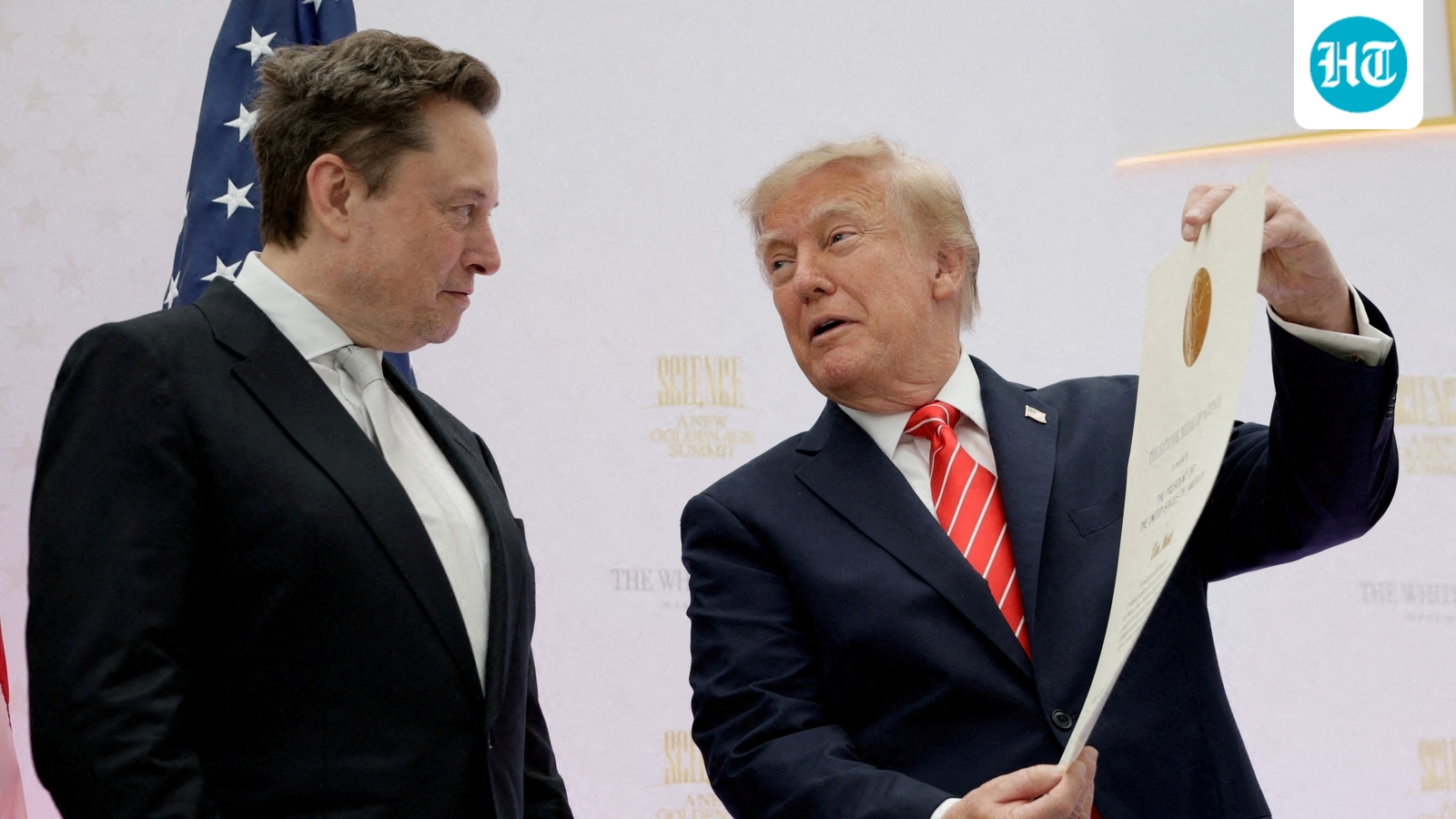
Investors appeared to look past the latest US tariff announcements, which targeted more than a dozen trading partners, including China, the European Union and India. The new tariffs were announced by the White House on Wednesday.
US markets will remain closed on Thursday for the Thanksgiving holiday. Trading will resume on Friday, but the session will be shorter than usual.
During Wednesday’s trading session on Wall Street:
- The Dow Jones Industrial Average gained 0.33%.
- The Nasdaq Composite, which has a large number of technology stocks, fell 0.62%.
- The S&P 500 declined 0.25%.
- However, all three major indexes recovered from some of their earlier losses during the session.
European markets recover, Germany’s DAX leads gains
European stock markets recorded strong gains on Thursday, with all major regional indexes and sectors trading in positive territory. The pan-European Stoxx 600 index was up 1.6% at 9:24 a.m. in London (4:24 a.m. ET), showing a broad recovery across the region, according to CNBC.
Germany’s DAX was among the biggest gainers, rising around 2%. The Stoxx 600 Technology index also climbed 2.4% during morning trading.
Other major European indexes also recorded gains on Thursday:
- Britain’s FTSE 100 advanced 1.41%.
- Germany’s DAX climbed 2.08%.
- Spain’s IBEX 35 increased 1.76%.
- The pan-European Stoxx 600 gained 1.62%.
European chip stocks also recovered, adding to the gains in the technology sector.
- German semiconductor company Infineon rose more than 4% in morning trading.
- ASMI and ASML each gained 2.8%.
- Be Semiconductor added 3%.
Asian markets rebound, Japanese chip stocks lead recovery
Asia-Pacific stock markets also ended higher on Thursday, with technology shares recovering from the previous session’s losses. Japanese chip-related companies led much of the regional rebound.
Japan’s Nikkei 225 rose 0.86% to close at 57,499.16, while the broader Topix index edged up 0.11% to 3,750.4.
Other Asian markets also recorded gains:
- South Korea’s Kospi rose 0.29% to close at 4,711.21.
- Hong Kong’s Hang Seng index was up 1.52% in its final hour of trading.
- Mainland China’s CSI 300 edged higher and closed at 3,900.55.
Japanese technology and chip-related stocks recorded strong gains.
- SoftBank Group surged more than 7%.
- Chip-testing equipment maker Advantest rose 4.57%.
- Tokyo Electron climbed 0.59%.
South Korean semiconductor companies also recovered. SK Hynix shares advanced more than 2%, while Samsung Electronics gained 0.35%.
The gains came after a difficult trading session on Wednesday, when renewed concerns about whether heavy AI spending can deliver sufficient returns put pressure on technology and semiconductor stocks.
Investors look for bargains after global tech sell-off
Russ Mould, investment director at AJ Bell, said stock markets across different regions had a good day on Thursday. He said investors were looking for chances to buy stocks after the recent fall in global markets, according to CNBC.
Mould said investors were buying shares of companies that had fallen sharply during the recent technology stock sell-off. They were also investing in companies from other sectors instead of putting too much money into technology stocks.
He said Trump’s latest tariffs were not as bad as investors had expected. However, Mould warned that investors should not become too confident about the market recovery. He pointed to two major risks:
1. Rising oil prices: Higher oil prices could make it harder for central banks to control inflation.
2. Countries hitting back at US tariffs: Countries affected by Trump’s new tariffs could introduce their own trade measures against the US. This could create more uncertainty for businesses and global stock markets.
Investors watch Fed interest rate decisions and AI spending
Daniela Hathorn, senior financial market analyst at Capital.com, said the market mood remained cautious rather than completely negative. She said European markets were trying to recover from Wednesday’s losses, while the Thanksgiving holiday meant investors could not immediately test whether Wall Street’s late recovery would continue, according to CNBC.
Another major concern is whether AI stocks can handle a higher interest rate environment. Investors are questioning whether technology companies will earn enough money to justify the huge amounts they are spending on AI development and infrastructure.
Fresh US inflation data has added to concerns about further monetary tightening. Data released on Wednesday showed that the personal consumption expenditures (PCE) price index, an important inflation measure watched by the Federal Reserve, increased 3.8% year on year in October, according to CNBC.