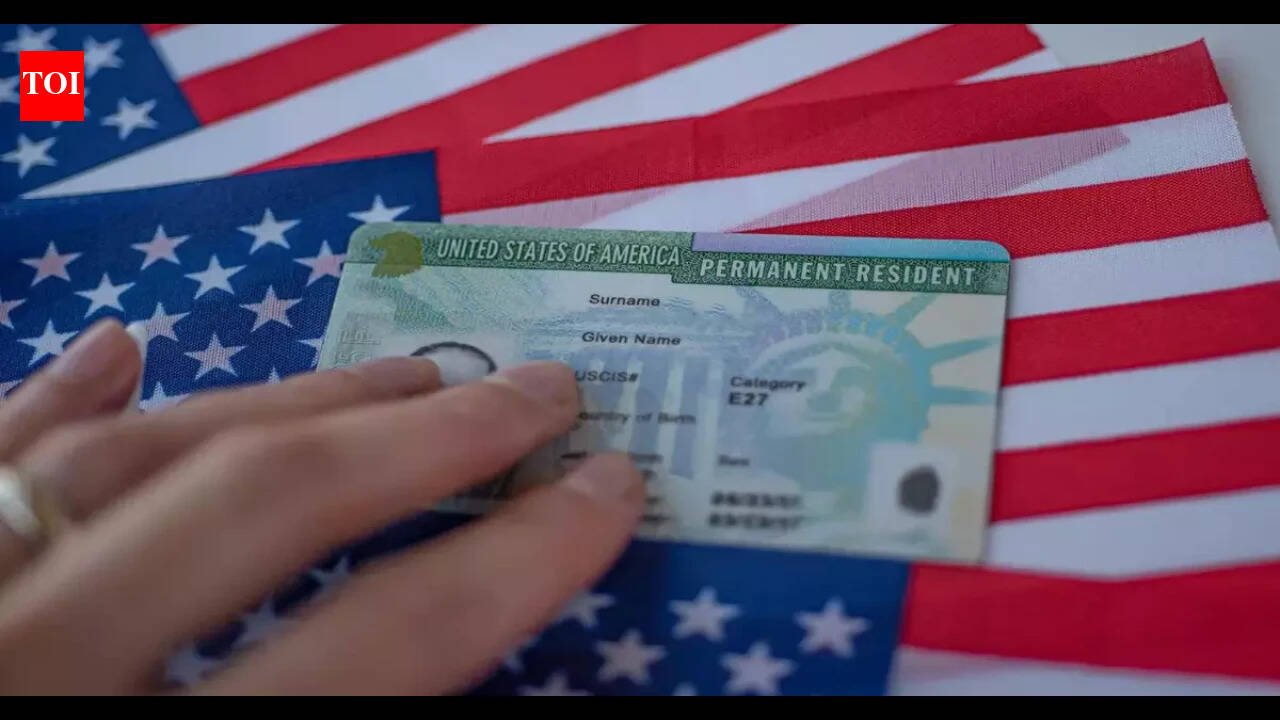
Failed the H-1B lottery 7 times, moved to Canada: Indian Microsoft technician obtained green card through EB-1


An Indian-origin techie shares her story of being rejected seven times in the H-1B visa lottery but then receiving a green card through the EB-1 program.
Aishani B, a Microsoft technician of Indian origin, shares her story of becoming a permanent resident of the United States after years of trying to obtain an H-1B visa. In a LinkedIn post, Ashani shared her experience of constantly trying for a work visa every year between 2019 and 2025, but not once being successful.Ashani shared her feelings about being rejected many times. She said that the first rejection was difficult, and she had rational thoughts when she was rejected the second time, but after that there was nothing new to say. At the same time, she moved to Canada from the United States in 2022 and returned to the United States in 2023 on an L1 visa.“People ask me how it feels. Honestly? The first rejection stings. The second, you rationalize it. By the third, fourth, fifth time, you stop telling people. Not because you’re ashamed. But because there’s nothing new to say. What no one tells you about repeated failure: It’s not a moment of disappointment. It’s the slow, quiet erosion of certainty,” she wrote.“Am I good enough? Will someone else find out now? How long do I have to keep trying?” she added.By 2025, she got green card Through EB1, this is for individuals with extraordinary abilities. Ashani said she never thought she would qualify, especially after seven rejections, but she did.“Because there was nothing special about me losing the draw over and over again. She felt exhausted. What keeps her going? Quietly believe there is a reason for this. There is also a stubbornness that refuses to understand what it feels like to give up. Seven losses doesn’t mean none. What they mean is: not so. If you’re counting the number of times you’ve been rejected right now – the numbers aren’t the key to the story. What you build in between is,” Ashani wrote.The techie often shares tidbits about immigration on her LinkedIn. In a previous article, she talked about how immigrants are always somewhere in between. In India, they were the ones who left; In the United States, she writes, they were immigrant engineers, and in Canada they started all over again.