
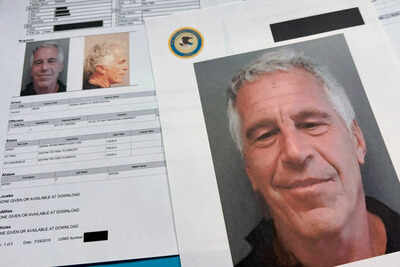
Two days before he died in a New York jail cell in August 2019, Jeffrey Epstein signed a detailed legal document laying out how his vast fortune would be distributed. The latest records, released by the Justice Department in late January, are part of the latest batch of Epstein documents, now made public for the first time, providing the clearest picture yet of who will benefit from his estate and how much will ultimately be left after years of legal claims and restitution.
1953 Trusts and Intended Beneficiaries
The document is 32 pages long and is called 1953 Trustnamed for the year Epstein was born, was signed two days before his death. According to the trust, Epstein intended to give the bulk of his estate, which was worth about $100 million when the trust was drafted, to his then-girlfriend Karyna Shuliak. The trust said Epstein considered marrying Shuliak and specified that she should receive his 33-carat diamond ring. It also provides that she will receive a total of $100 million, including a $50 million annuity established for her benefit. While the trust gave her rights to most of Epstein’s estate, much of his real estate portfolio, which included multiple luxury homes, has been sold by the real estate company.
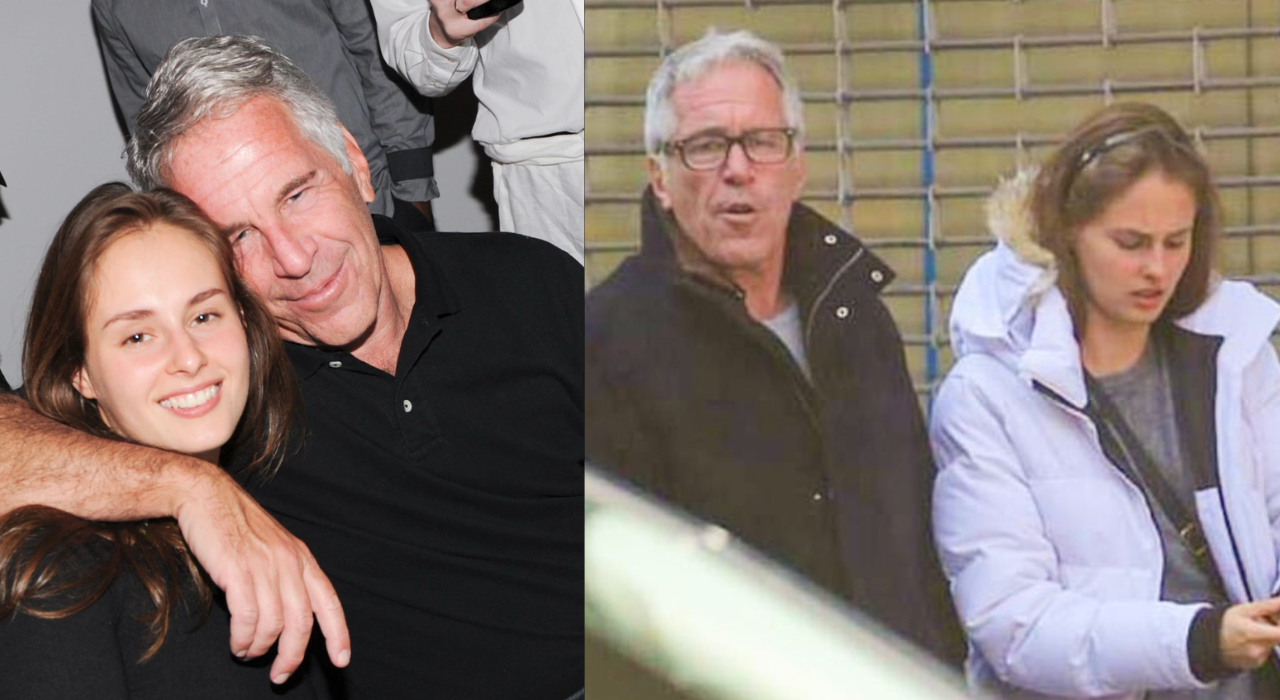
Karyna Shuliak was 20 when she first met Jeffrey Epstein. He later gave her a 33-carat diamond “engagement” ring/Photo: X
Shulyak, a Belarusian citizen whose name appears frequently in Justice Department files, has known Epstein since at least 2012, documents show. Records show Epstein helped pay for her to attend dental school. She is believed to live in New York City. The documents also show that Schuliak was the last person Epstein called from jail the night before authorities said he committed suicide. In addition to Shuliak, the trust has listed more than 40 potential beneficiaries. The two largest grants since Schuliak went to Epstein’s longtime personal attorney Darren Indyke, who will receive $50 million, and his in-house accountant Richard Kahn, who will receive $25 million. The pair were also named co-executors of Epstein’s estate.

Left: Richard Kahn. Right: Darren Indyke/Photo: Observer
Other unredacted names in the trust include Epstein’s brother, Mark Epstein, a New York-based real estate developer; Ghislaine MaxwellIn 2021, he was convicted of conspiring with Epstein to sexually abuse teenage girls and is currently serving a 20-year sentence in federal prison. The trust specifies that they should each receive $10 million. Epstein also intended to leave $5 million to Martin Nowak, a Harvard mathematics professor with whom he had a long-standing relationship. Novak’s name was misspelled in the document.
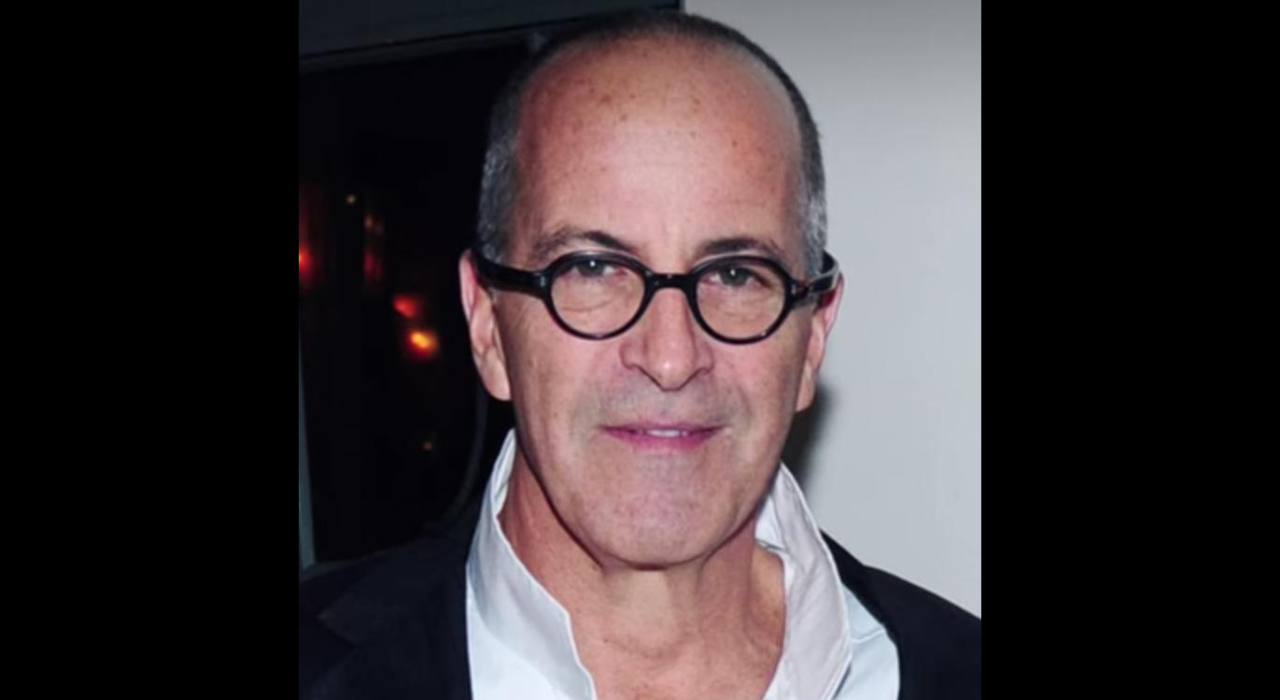
Mark Epstein (born 1954) is a New York real estate developer, real estate investor and former artist / Photo: IMDb
In a press release issued by the Ministry of Justice, several of the 40 names listed for the trust remained redacted. Mark Epstein has previously said he was unaware he had been named a beneficiary.
What Beneficiaries Actually Receive and Victim Compensation
While the trust spells out Epstein’s intentions, it does not determine what any beneficiaries will ultimately receive. Since his death, the estate’s value has plummeted due to taxes, long-running legal battles and compensation payments to victims. At the time of Epstein’s death, his estate was valued at approximately $600 million. However, according to the New York Times ReportRecent court filings put the value at closer to $120 million, but the final number may rise as some venture capital valuations remain at 2019 levels. Daniel Weiner, an attorney for the estate, said neither Indyke nor Kahn, nor any other beneficiary, “will receive any funds from the estate unless and until all creditors and claims against the estate are first satisfied in full, including claims for compensation from women who were abused by Mr. Epstein.” Notably, the 1953 Trust itself made no provision for the more than 200 teenage girls and young women believed to have been abused by Epstein. After his death, however, Indyke and Kahn established a compensation fund that paid out $121 million to victims. Additionally, the estate paid $49 million in settlements related to abuse claims.
How Epstein built and protected his fortune
The source of Epstein’s wealth has long been opaque. 2025 review of court documents and financial records Forbes New clues are revealed about how he amassed this wealth. The analysis concluded that Epstein relied heavily on two ultra-wealthy clients, former Victoria’s Secret head Les Wexner and private equity investor Leon Black, who together accounted for 75% of Epstein’s fee income between 1999 and 2018.
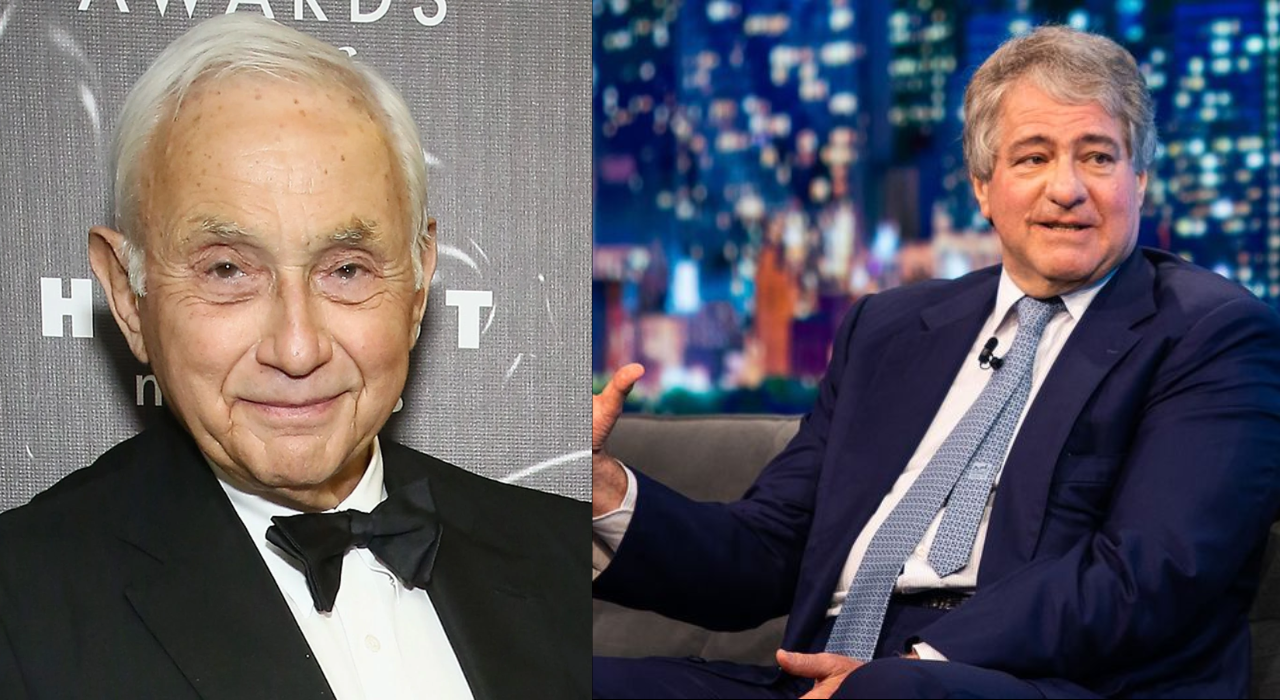
Much of Epstein’s wealth came from managing fees of up to $490 million for Victoria’s Secret founder Les Wexner and private equity tycoon Leon Black /Left: Les Wexner, right: Leon Black
During this period, in addition to investment income, Epstein also collected at least $490 million in fees. An expert report filed in 2022 showed his only revenue-generating entity was located in the U.S. Virgin Islands. Epstein became a resident there in 1996, benefiting from generous tax breaks that allowed him to amass much of his wealth virtually tax-free. In 1998, he spent nearly $8 million to purchase Little St. James Island, which later became infamous as “Epstein’s Island.” By the time of his death in 2019, Epstein controlled a vast portfolio: luxury homes in New York, Florida and New Mexico, two Caribbean private islands, and nearly $380 million in cash and investments. The fortune, which totaled about $578 million, according to his estate, was attempted just days before his death through a trust that continues to shape the legal and ethical settlement of the estate he left behind.