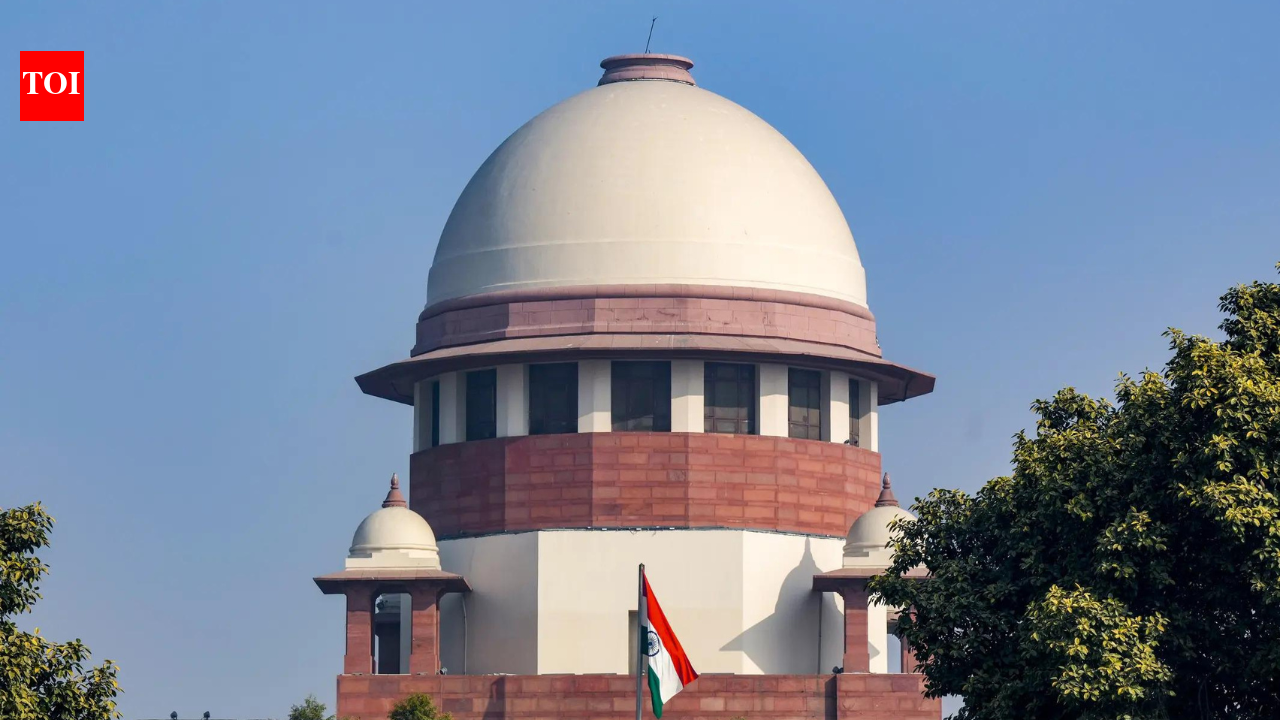

New Delhi: The custom of barring menstruating women from entering the temple was abolished in 2018, the chief priest of the Sabarimala Ayyappa temple told reporters on Friday Supreme Court Dhananjay Mahapatra reports that the right and wrong of the idolatry model that is central to Hinduism is judicially indeterminate because each deity is represented with unique rituals. Senior advocate V Giri, appearing for the ‘thantri’, told Chief Justice Surya Kant and justices BV Nagarathna, MM Sundresh, Ahsanuddin Amanulla, Aravind Kumar, AG Masih, PB Varale, R Mahadevan and J Bagchi that a person who challenges a particular mode of worship, rituals or customs peculiar to a deity is not a worshiper and, therefore, his petition challenging the rituals should not be entertained by the court unless it is detrimental to public order, morals or health. “Each Hindu deity has its own characteristics. The rituals and rituals followed in temples are either unique or at least specific to temples of the same category. Rituals are always associated with the concept of the deity,” he said. Senior advocate Rajeev Dhavan said the right of the state to enact laws to eradicate social evils and introduce reforms cannot be extended to reforming religion, belief or belief.