Skip to content
-
Subscribe to our newsletter & never miss our best posts. Subscribe Now!
  • https://www.facebook.com/
  • https://twitter.com/
  • https://t.me/
  • https://www.instagram.com/
  • https://youtube.com/
THE_LOCAL_REPORT_ARTICLES_LOGO THE LOCAL REPORT ARTICLES

Trusted Indian news delivering fast, factual, and in-depth coverage of politics, business, society, and stories that truly matter

THE_LOCAL_REPORT_ARTICLES_LOGO THE LOCAL REPORT ARTICLES

Trusted Indian news delivering fast, factual, and in-depth coverage of politics, business, society, and stories that truly matter

  • TRENDING
  • INDIA
  • SPORTS
  • TECH
  • UK
  • WORLD
  • TRENDING
  • INDIA
  • SPORTS
  • TECH
  • UK
  • WORLD
Subscribe
Close

Search

Britain sees second-best butterfly season in 16 years; people counted almost 1.4 million common butterflies and moths; painted ladies jumped by 335%, but scientists are worried
TRENDING

Britain sees second-best butterfly season in 16 years; people counted almost 1.4 million common butterflies and moths; painted ladies jumped by 335%, but scientists are worried

By WEB DESK TEAM
September 17, 2026 4 Min Read
Comments Off on Britain sees second-best butterfly season in 16 years; people counted almost 1.4 million common butterflies and moths; painted ladies jumped by 335%, but scientists are worried
Britain sees second-best butterfly season in 16 years; people counted almost 1.4 million common butterflies and moths; painted ladies jumped by 335%, but scientists are worried

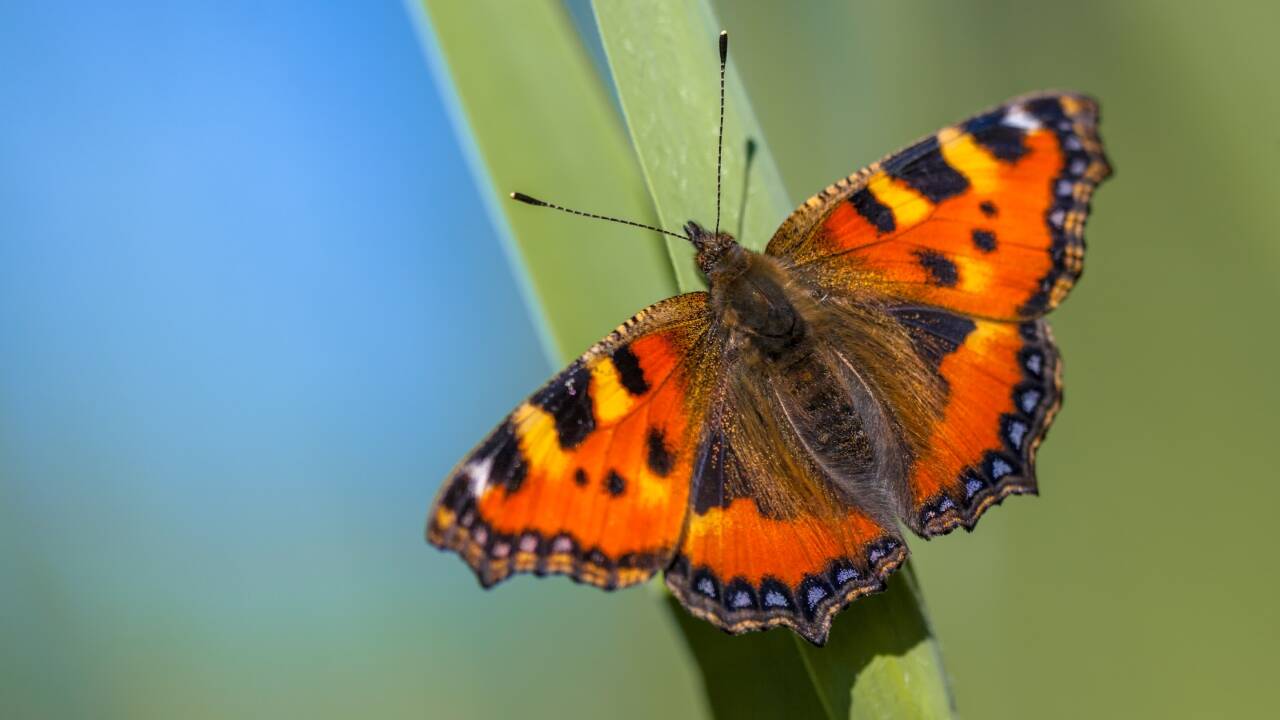
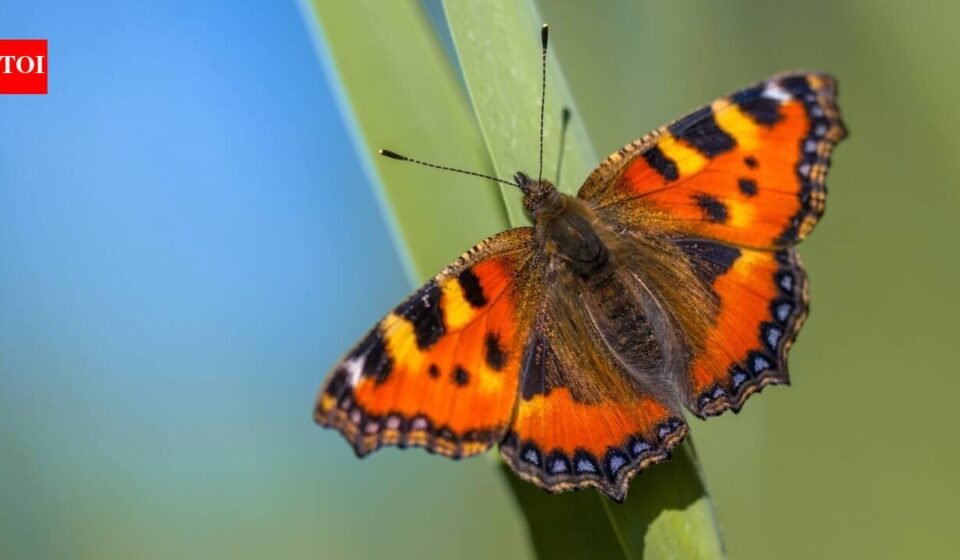
The record heat of 2026 made this summer exceptional for butterfly-watching. More than 100,000 volunteers fanned across Britain with notebooks this summer, tallying nearly 1.4 million common butterflies and day-flying moths. This was the second-best butterfly season of the past 16 years, according to the Big Butterfly Count. Painted ladies surged by 335% compared with 2025. But this butterfly season could be a warning, according to experts.

Britain sees a butterfly boom after a summer of record heat

​<strong>Britain’s butterfly boom may come at a cost</strong>​” msid=”134293613″ imgsize=”411574″ resizemode=”4″ width=”” title=”” placeholdersrc=”https://static.toiimg.com/photo/83033472.cms” offsetvertical=”0″ placeholdermsid=”47529300″ type=”thumb”  class=”” src=”https://static.toiimg.com/photo/imgsize-411574,msid-134293613/strongbritains-butterfly-boom-may-come-at-a-coststrong.jpg” data-api-prerender=”true”/></div>
</div>
<p>The record heat of summer 2026 has delivered the second-best butterfly season of the past 16 years in Britain. More than 100,000 volunteers counted almost 1.4 million common butterflies and moths this season. <!-- -->Painted ladies, a migratory species that island-hop from sub-Saharan Africa through several generations each summer, did the heavy lifting. There was a 335% rise in their numbers. The Butterfly Conservation organisation recorded their second-highest numbers since the count began in 2010.<!-- --> Other species, such as the holly blue and gatekeeper, also claimed their highest counts ever. The small copper landed third-best in its recorded history. The overall results matched the strength last seen in 2019, a summer that still ranks as the best in the dataset.<span class=

Butterfly boom may come at a cost

Britain sees second-best butterfly season in 16 years, but drought threatens next year

So what brought the butterfly boom? Adult butterflies want sunshine and dryness. They got both, in abundance. The five-heatwave season turned out to be perfect for feeding and mating. The significant surge also grabbed human attention. Migratory species like painted ladies rode favourable winds and found conditions ideal for breeding. In pure adult butterfly terms, the weather delivered. But experts believe that the boom may have simultaneously seeded a population crash for next year. Adult butterflies appreciate the bright summer, but for the caterpillars, it’s not really promising. The grass, wildflowers and other plants that caterpillars eat withered in the drought.“Adult butterflies love hot, sunny weather for flying, feeding and breeding, and that’s exactly why people saw so many this summer. But a good summer for adult butterflies is not the same as a good summer for butterfly populations,” Richard Fox, head of science at Butterfly Conservation, told The Guardian.“What matters far more is what’s happening on the ground, to the butterflies’ caterpillar offspring and the plants they depend on. The very same weather that made it a good year for butterflies – lots of sunshine and very little rain – could mean we’re actually on course for a population crash, which could take years to recover from.”


​<strong>A summer of heat brought Britain a butterfly boom. Now comes the worry</strong>​” msid=”134293629″ imgsize=”465023″ resizemode=”4″ width=”” title=”” placeholdersrc=”https://static.toiimg.com/photo/83033472.cms” offsetvertical=”0″ placeholdermsid=”47529300″ type=”thumb”  class=”” src=”https://static.toiimg.com/photo/imgsize-465023,msid-134293629/stronga-summer-of-heat-brought-britain-a-butterfly-boom-now-comes-the-worrystrong.jpg” data-api-prerender=”true”/></div>
</div>
<p>Population crashes followed the excellent butterfly years of 1976 and 1995, both linked to drought stress. But the trend may not always follow. The droughts in 2018 and 2022 failed to trigger comparable collapses. However, experts still confirm that such hot summers are often bad news for butterflies.<span class=But no two droughts are the same. Matthew Oates, an independent naturalist who has kept meticulous butterfly diaries since 1964, pointed to the difference. The 1976 drought was brutal for butterflies, partly because it followed a year of already-dry weather, priming plants to fail catastrophically. This summer was different. Winter 2025 was wet, and early June saw significant rainfall before the drought kicked in. These conditions may have given butterfly foodplants enough water during critical growth stages. He said he was hopeful that last year’s wet winter and wet week in early June might prevent the population crash next year.Though it has been a strong summer for migratory butterflies, drought-sensitive species struggled. The speckled wood, green-veined white and ringlet were all recorded in below-average numbers during the Big Butterfly Count, with declines of 44%, 54% and 39%, respectively, since 2011.Fox thinks there are winners and losers in hotter summers: “There will be very few butterfly species that can thrive in the drought situations we had this summer across much of the UK.”Both experts noted that Britain is entering unknown territory in terms of how climate extremes would impact native wildlife and flying insect populations.“If we get another summer of drought or excessive heat that’s really moving into a new future for us and our wildlife, including butterflies,” Fox said.“These last two summers have been way beyond our previous experience. We are out of our comfort zone and we can’t speak with any confidence any more. A lot of our butterflies are behaving more like they behave much farther south in Europe. In some ways it is exciting, but I worry about how relevant our existing, treasured knowledge is. We need every entomologist we can get in this country,” Oates added.

Tags:

BritainbutterfliesbutterflycommoncountedjumpedladiesmillionmothspaintedPeoplescientistsseasonsecondbestseesus newsus top newsworriedyears
Author

WEB DESK TEAM

Our team of more than 15 experienced writers brings diverse perspectives, deep research, and on-the-ground insights to deliver accurate, timely, and engaging stories. From breaking news to in-depth analysis, they are committed to credibility, clarity, and responsible journalism across every category we cover.

Follow Me
Other Articles
Wisconsin farmer Brit Thompson turns a vintage Airstream trailer into an Airbnb, now the rental income outpaces beef and lamb sales: ‘I can make $100 an hour cleaning’
Previous

Wisconsin farmer Brit Thompson turns a vintage Airstream trailer into an Airbnb, now the rental income outpaces beef and lamb sales: ‘I can make $100 an hour cleaning’

Social Security benefits could face a 22% cut in 2032 if Congress does not act. (Photo by Jim WATSON / AFP) (AFP)
Next

Social Security 2032 cuts: Why a 22% benefit cut could matter in 2026 midterms

  • ABOUT US
  • CONTACT US
  • CORRECTION POLICY
  • Home
  • Privacy Policy
  • TERMS AND CONDITIONS
  • Terms of Use
  • ABOUT US
  • CONTACT US
  • CORRECTION POLICY
  • Home
  • Privacy Policy
  • TERMS AND CONDITIONS
  • Terms of Use
Copyright 2026 — THE LOCAL REPORT ARTICLES. All rights reserved. Blogsy WordPress Theme