
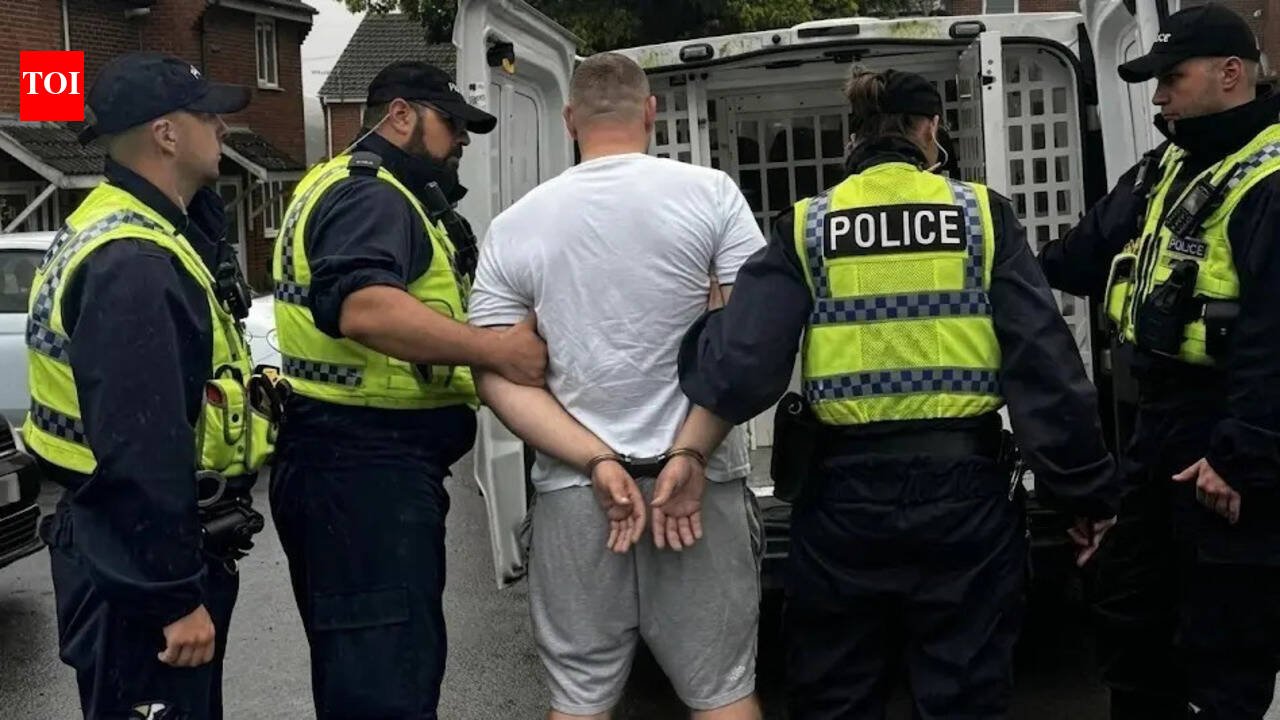

A shocking report by England’s Children’s Commissioner has exposed stark racial disparities in UK policing, showing black children in England and Wales are nearly eight times more likely to be strip-searched than their white peers. The findings come from an analysis of official police data and highlight patterns that campaigners say cannot be explained by crime rates alone, The Guardian reported.The report draws attention to the scale of the problem, with thousands of children strip-searched in recent years. Many of these cases did not involve further action, meaning no charges or arrests were made, fueling concerns about whether such intrusive powers are being used appropriately.
UK children’s undress search statistics
Data shows that numerous strip searches of minors have not resulted in arrests or convictions. In many cases, police search children suspected of having drugs or weapons but find no evidence.Safeguarding rules require children to be strip-searched only when absolutely necessary and usually in the presence of an appropriate adult. However, high-profile cases in the past have shown that these safeguards are not always adhered to.One of the cases involved Child Q, a black schoolgirl who was strip-searched by police in London without notifying her parents, sparking national outrage and prompting multiple investigations. The incident continues to shape debates about policing practice and child protection.Experts and advocacy groups believe these searches have a low success rate, raising questions about their effectiveness and potential long-term effects on children who are subject to them.
Police response to such practices
Senior police officials acknowledged the concerns raised by the data, and some officers said reforms had already begun to improve oversight and accountability. The National Police Chiefs’ Council has previously said strip searches should only be used as a last resort and in strict compliance with safeguarding protocols.The UK government and watchdogs, including His Majesty’s Inspectorate of Constabulary and the Fire and Rescue Service, have also been reviewing the use of the powers, particularly in relation to children and minority ethnic communities.Home Office officials said clearer guidance and stronger monitoring may be introduced to ensure such searches are reasonable, proportionate and carried out lawfully.
UK children’s policing policy
The findings have reignited calls for reform, with activists and legal experts urging tighter restrictions and even a ban on strip-searching children except in extreme circumstances.Critics argue that disproportionate targeting of black children could undermine trust in police and could have lasting psychological effects. They also pointed to broader concerns about systemic inequalities within the criminal justice system.Supporters of the reforms say the focus must now shift to accountability, transparency and safeguards. With growing scrutiny and public pressure, the issue is likely to remain at the center of the national conversation about policing and racial justice.
What to do next?
The report adds to the ongoing debate over fairness and accountability in UK policing. While authorities insist strip searches are sometimes necessary for security, the data suggests a deeper review is needed.As investigations continue and reforms are considered, attention remains focused on how police powers are used and whether they apply equally to all children.