
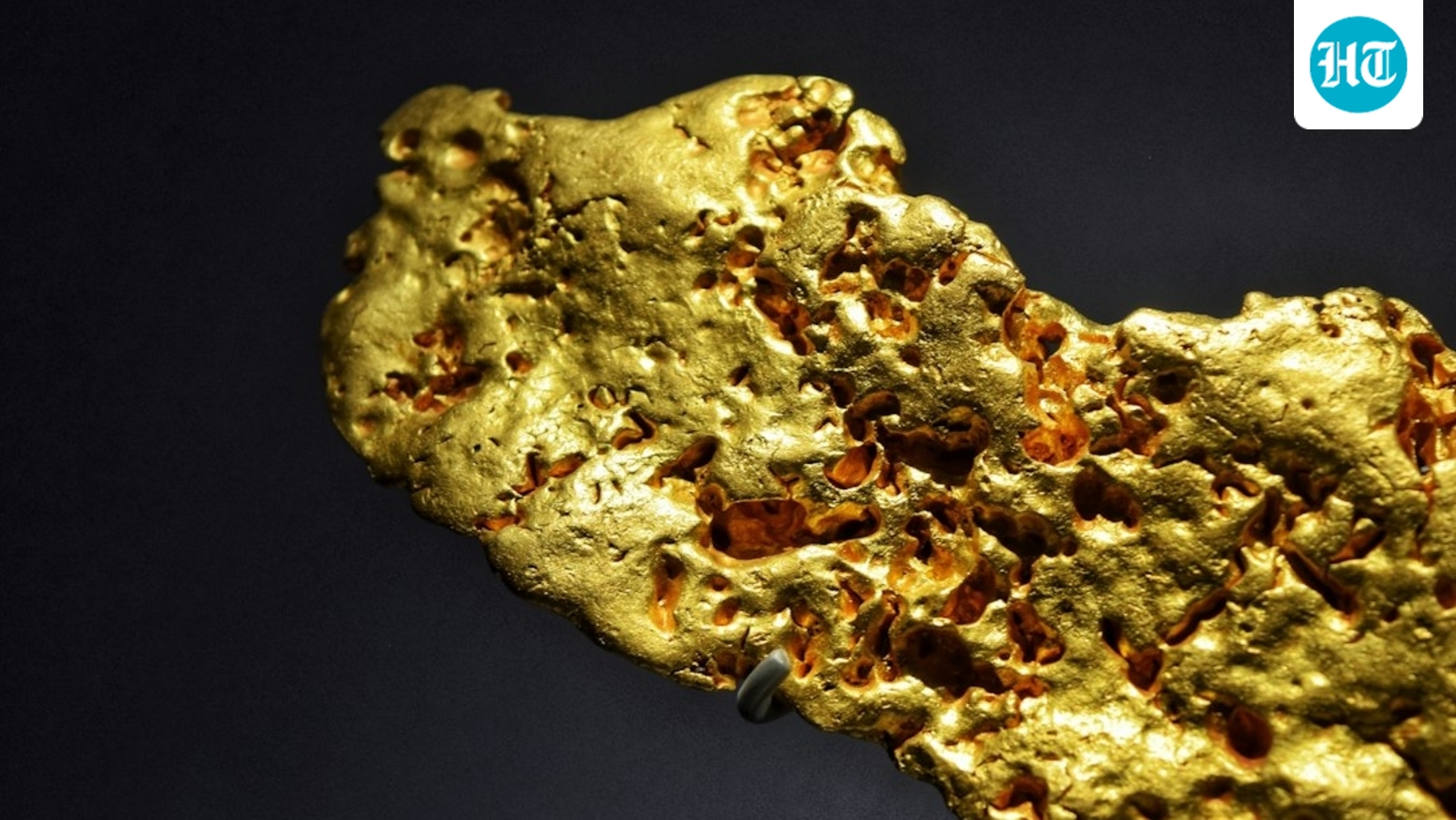
Spotting an odd-shaped rock fall from the blade of a bulldozer turned what would have been an otherwise unremarkable day in 1998 at an Alaska mine into a remarkable one. The rock Barry Clay spotted falling from his bulldozer at the Swift Creek Mine was actually a 294.1 troy-ounce gold nugget and came to be known as the Alaska Centennial Nugget. More than two decades after its discovery, the rock fetched $750,000 at Heritage Auctions in December 2021.
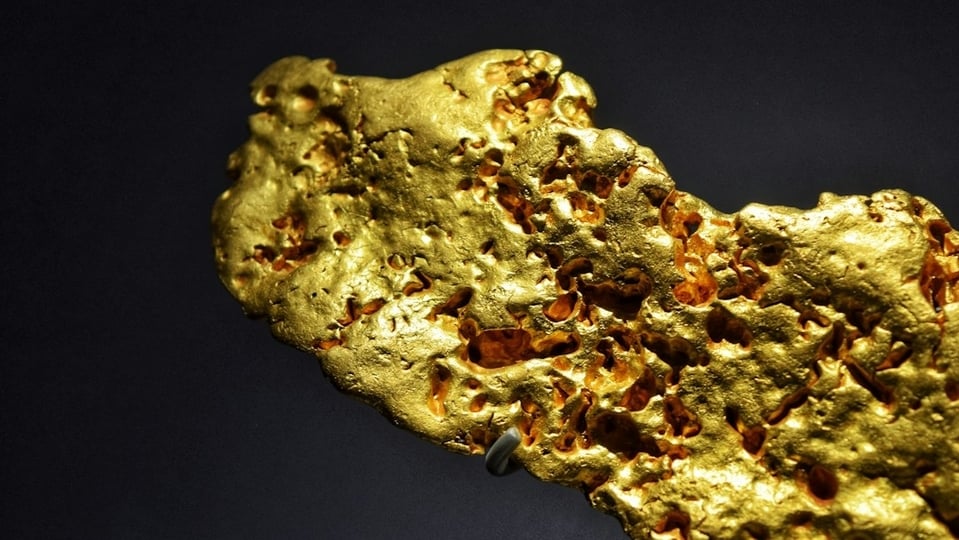
According to the Bureau of Land Management (BLM), the story appeared in the spring 2015 edition of Alaska Frontiers, which described Clay as the man operating a bulldozer when he spotted the rock. The agency said that after the rock fell from the bulldozer’s blade, Clay examined it and realized it was a gold nugget weighing 294.1 troy ounces. This is the largest gold nugget ever discovered in Alaska.
According to Heritage Auctions, the nugget was mined at the Swift Creek Mine, part of the Ruby Mining District, and remained with a private collector until it was sold in December 2021. The sale price was $750,000, and an online bidder won the auction.
Discovery of a nugget in the year of the Klondike centennial
The nugget was named for the time it was discovered. Its discovery in 1998 coincided with the centennial of the 1898 Klondike Gold Rush stampede. The BLM named it the Centennial Nugget, while Heritage Auctions called it the Alaska Centennial Gold Nugget.
It weighs 294.1 troy ounces, which is a unit of measurement normally applied to precious metals. According to Heritage Auctions, the nugget weighs 9.14 kg, or slightly more than 20 pounds. It is also visually distinctive, with a white quartz base and gold on top.
The auction house indicated that the nugget had been preserved almost in its original state. It was also pointed out that its owner did not order an assay, a procedure that would have determined the percentage of gold in the specimen. In this case, an analysis by X-ray fluorescence of the outer surface was performed, and it showed an average fineness of 87.59% gold, or about 21 karats, according to Heritage. The result refers to the tested surface rather than the whole piece.
Why the gold is so unique
According to the 2015 BLM article, gold has a specific gravity of 19.3. In other words, a given volume of gold weighs 19.3 times as much as the same volume of water.
Gold is also extremely malleable and ductile. According to the BLM, one ounce of gold can be hammered flat into a sheet measuring 30 feet square or can be made into a wire that is 50 miles long and only five microns thick. Malleability and ductility, along with its corrosion resistance, have made gold valuable for its use in jewelry, investments, and technology applications. Small amounts of gold are used in electronics, and gold plating can protect spacecraft from solar radiation.
Mining operations involving gold in Alaska have a rich and long history. The first recorded placers of gold in the state were discovered by Russian explorers in the Kenai River area in 1848, although no gold was actually mined then. Commercial mining in Alaska began in 1870 with placer deposits near Juneau. After the Klondike Gold Rush, prospectors explored other parts of the territory by dog sled, canoes, rafts, and snowshoes.
The Centennial Nugget was discovered during another period of mining activity, when a bulldozer rather than a gold pan made the discovery possible. The second significant event in its history is linked to its sale in 2021. The rare gold specimen, found initially in dirt at Swift Creek, sold for $750,000.