
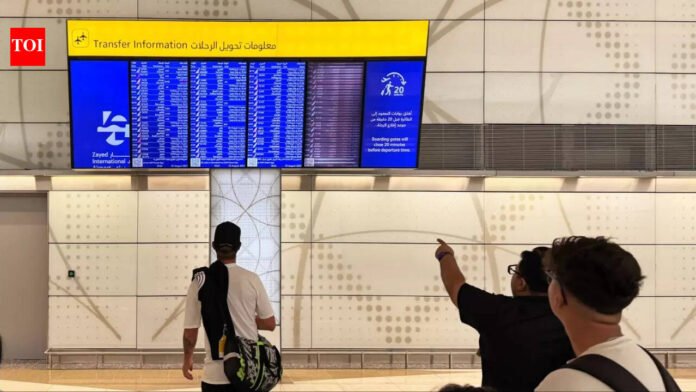
After days of severe travel disruption middle EastAbu Dhabi’s main aviation hub Zayed International Airport has begun resuming limited flight operations, providing cautious relief to thousands of stranded passengers as regional airspace slowly reopens. The restart comes after widespread flight groundings triggered by escalating geopolitical tensions in the region, forcing airlines to halt or reroute and leaving major Gulf airports operating under emergency protocols.
Abu Dhabi coordinates recovery response flight In the Iran-U.S.-Israel War
The airport authority announced that Abu Dhabi Airport has resumed limited operations under the coordination of the Emergency, Crisis and Disaster Management Center (ADCMC). The strictly controlled reopening follows days of close coordination between aviation authorities, airlines and government agencies to ensure passenger safety and operational readiness.
Officials described the recovery as a “remarkable demonstration of resilience” in Abu Dhabi’s aviation ecosystem after a period of disruption caused by regional airspace closures. The move marks the start of a gradual recovery at one of the Gulf’s busiest aviation gateways, although authorities stressed operations remain limited and subject to ongoing safety assessments.
Abu Dhabi hosts thousands of stranded passengers during Iran, US, Israel war
During the disruption, Abu Dhabi authorities took extensive measures to assist travelers affected by flight cancellations or delays. More than 7,000 passengers are accommodated in more than 4,300 free hotel rooms across 74 hotels in the emirate, pending the resumption of travel arrangements.

Abu Dhabi airport resumes limited flight operations after days of chaos
The massive hospitality effort reflects the government’s wider crisis management approach, which aims to ensure stranded travelers are supported until flights can safely restart. Officials said the top priority throughout the crisis has been the well-being of passengers, airport staff and airline crews.
Abu Dhabi Airways only operates some flights during war between Iran, US and Israel
Despite reopening, the airport is not yet operating on a normal commercial schedule. Instead, only a limited number of flights, including repositioning, cargo and repatriation services, are allowed to operate under strict aviation regulations. The conflict between Iran, the United States and Israel has forced several countries to close their airspace, causing airlines across the region to resume only partial flights.Several Gulf airlines have begun restricted operations, focusing mainly on repatriation flights and essential travel, while scheduled passenger services remain partially suspended. The gradual reopening of airports across the UAE, including those in Dubai and Abu Dhabi, is part of a coordinated effort to stabilize the region’s aviation network.
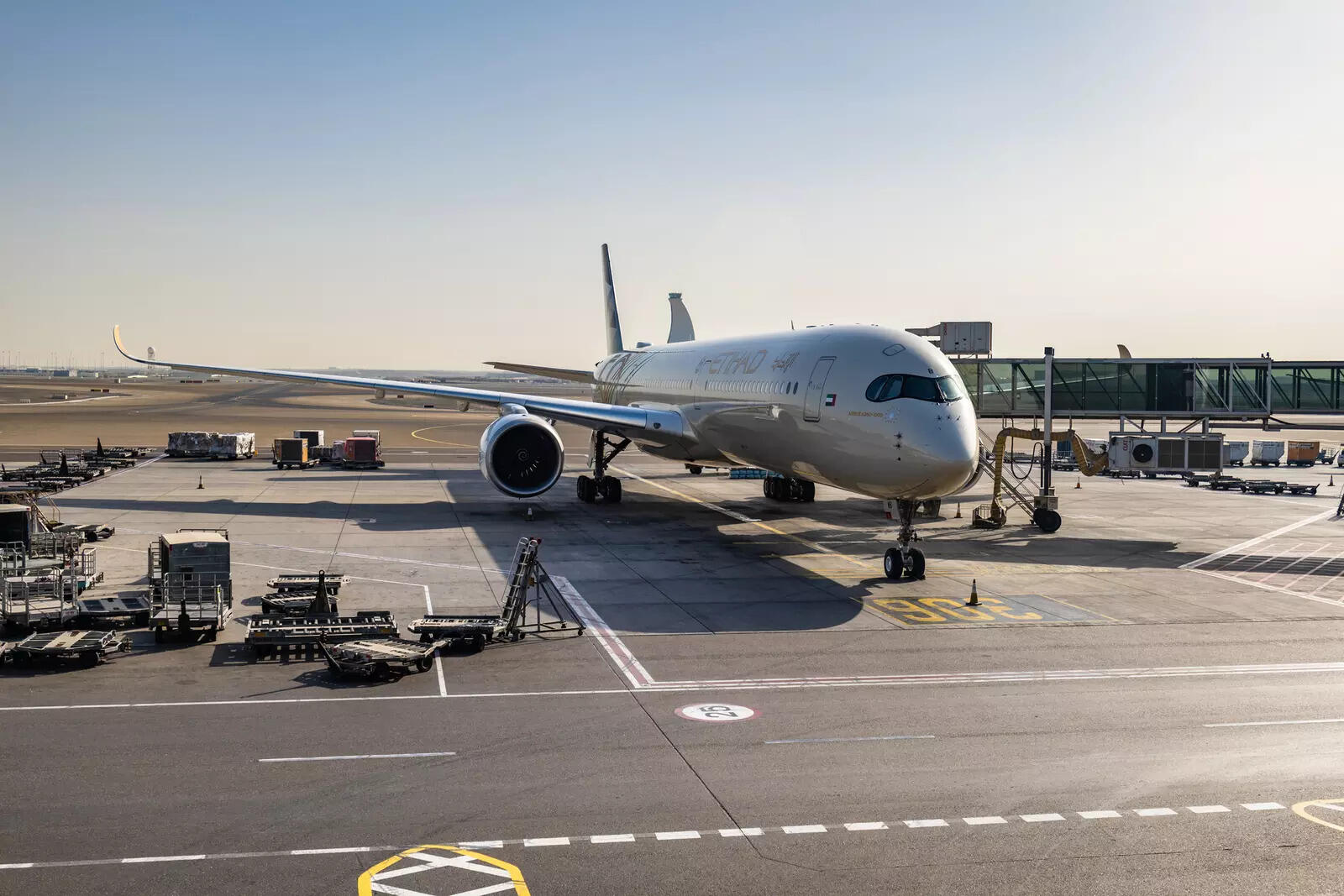
Abu Dhabi Airline latest: Zayed International Airport reopens with limited flights
Airport authorities have issued clear advice to passengers: do not arrive at the airport without confirmation from the airline. Passengers with confirmed tickets should contact the airline directly for the latest schedule and departure times before traveling to the airport. Due to the fluid security situation, flight times may change without notice based on airspace availability and safety conditions.
Iran, US, Israel conflict continues to impact Abu Dhabi and Middle East aviation industry
The aviation crisis began in late February when escalating hostilities in the region led to widespread airspace closures across the Middle East, affecting major travel hubs such as the United Arab Emirates, Qatar and Kuwait. The conflict has disrupted thousands of flights around the world, stranding passengers and forcing airlines to reroute and cancel flights. Even in areas where operations have resumed, many airlines are still relying on designated safety corridors and restricted flight routes to safely navigate the region.For Abu Dhabi, the reopening of Zayed International Airport to limited flight operations is a critical first step in restoring air connectivity. Officials stressed, however, that a full return to normal timetable will depend on the evolving security situation and regional airspace conditions. For now, the controlled resumption of flights offers a lifeline to stranded passengers and marks the beginning of a cautious recovery for Gulf carriers after one of the region’s most devastating travel crises in recent years.