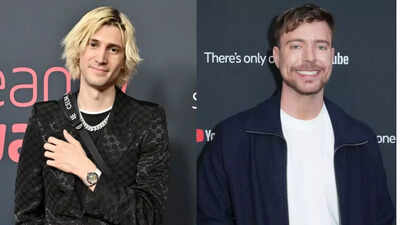
Felix “xQc” Lengyel has never been shy about sharing his opinions, and this time he’s setting his sights on one Youtubeof big names. During a February 5 Kick Live broadcast, the popular streamer reacted to a video of FaZe Rug and JasonTheWeen discussing which creators deserve a spot on the so-called YouTubers’ Mount Rushmore. xQc quickly retorted when MrBeast’s name came up.At issue is legacy. Who really shapes this platform? Who laid the foundation upon which others now stand? For xQc, this distinction is more important than subscriber counts or virality. His reaction sparked new discussions in the streaming community about what it really means to be a pioneer.
xQc challenges modern creator rankings
As soon as JasonTheWeen mentioned MrBeast, xQc interrupted him directly. He said, “Yo, yo, Mr. Beast can’t be on Mount Rushmore. Guys, there’s nothing, there’s nothing, there’s nothing [for] Jimmy stood up. Everything in the early days of YouTube was garbage, no funding, no ads, no, nothing, no virality. You can make the hottest shit and it’ll get fucking like, it’ll get like ten million views like you have to walk on it.“His argument focuses on time and circumstances. According to xQc, early YouTube creators worked without brand deals, powerful algorithms, or reliable monetization. They build audiences from scratch, often with limited tools and uncertain returns. In his mind, this fight defines what the Mount Rushmore character should represent.The conversation didn’t stop there. When IShowSpeed’s name came into the discussion, FaZe Rug said, “I low-key think he’s at a Michael Jackson level or on his way to that level, which is crazy, I know it’s a hot take, but…” xQc questioned the broader understanding of the metaphor.He responded: “Guys, guys, people need to stop talking about Mount Rushmore. I don’t think they understand. I don’t think they understand what Mount Rushmore is. Guys, it’s like the Founding Fathers. These are the people who created America.”For xQc, that title belongs to trailblazers, not just trendsetters. His comments have reignited debates about influence, originality and the evolving history of online content creation.