
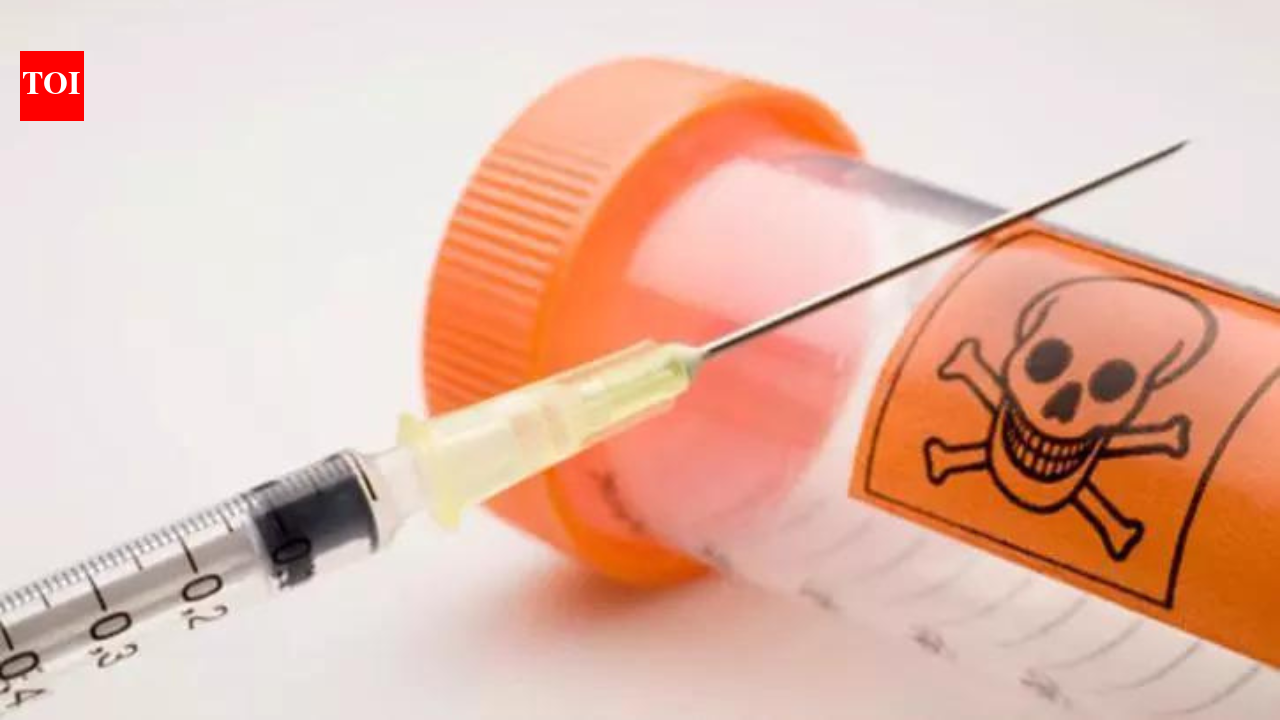

Supreme Court of India allows passive euthanasia In Harish Rana’s case, the debate over the moral and legal distinction between “letting a patient die” and actively ending life has been reignited.Passive euthanasia typically involves stopping or withdrawing life-sustaining treatment when a patient is terminally ill or has no hope of recovery. In contrast, active euthanasia involves an act that intentionally causes death, such as lethal injection.This issue has long been debated in the fields of medicine, law, and ethics, as both methods ultimately lead to the death of the patient, but in different ways.
What is passive euthanasia?
Passive euthanasia occurs when a doctor does not start or stop treatment needed to keep a patient alive.Common examples include turning off life support machines, disconnecting feeding tubes, not performing life-prolonging surgery, or stopping taking life-prolonging medications.In this case, death is due to the patient’s underlying disease rather than direct medical intervention.
What is active euthanasia?
Active euthanasia is when a medical professional or other person intentionally takes actions designed to cause the death of a patient.This may include lethal injection or the administration of drugs designed to end life.While passive euthanasia is permitted under certain legal frameworks and safeguards in India, active euthanasia remains illegal.
Ethical Debate: “Kill” vs. “Leave to Die”
A key ethical debate centers on whether there is a meaningful moral difference between actively causing death and allowing death to occur.Some doctors and ethicists believe that stopping treatment is acceptable because doctors did not directly cause the patient’s death. According to this view, the disease itself remains the cause.Others question the distinction. According to the BBC, philosophers such as James Rachels believe that stopping treatment is also a deliberate decision that can lead to death. Supporters of this view say that the distinction between action and inaction is sometimes morally unclear. In ethical discussions this is often associated with the doctrine of “actions and omissions.”According to the Oxford Dictionary of Philosophy, philosopher Simon Blackburn describes this idea as: “The doctrine that a moral difference makes a moral difference whether an agent actively intervenes to bring about a result or fails to act while foreseeing that the same result would occur as a result of omission.”Critics argue, however, that intent matters when evaluating medical decisions. Research discussed by the National Institutes of Health points out that the intent behind refusing treatment is important in understanding the ethical nature of the action.
Why some people support active euthanasia
Some philosophers believe that active euthanasia may cause less suffering than passive euthanasia in certain circumstances.For example, if a terminally ill patient is in severe pain and seeks assistance in dying, withholding treatment may prolong suffering, while direct intervention may result in quicker death.This argument is usually based on the idea that the morally preferable option is the one that minimizes suffering.However, this view remains controversial and is not reflected in the legal framework of many countries, including India.
Legal and medical background
In India, courts recognize passive euthanasia under strict conditions, including safeguards and medical supervision. Current law, however, still prohibits active euthanasia.The Supreme Court’s decision in the Harish Rana case highlights the continuing legal and ethical issues surrounding end-of-life care, particularly the balance between protecting life and respecting the patient’s wishes to avoid long-term suffering.