Australia’s Tiwi rangers spent two decades fighting invasive fire ants; the island is now declared free of them

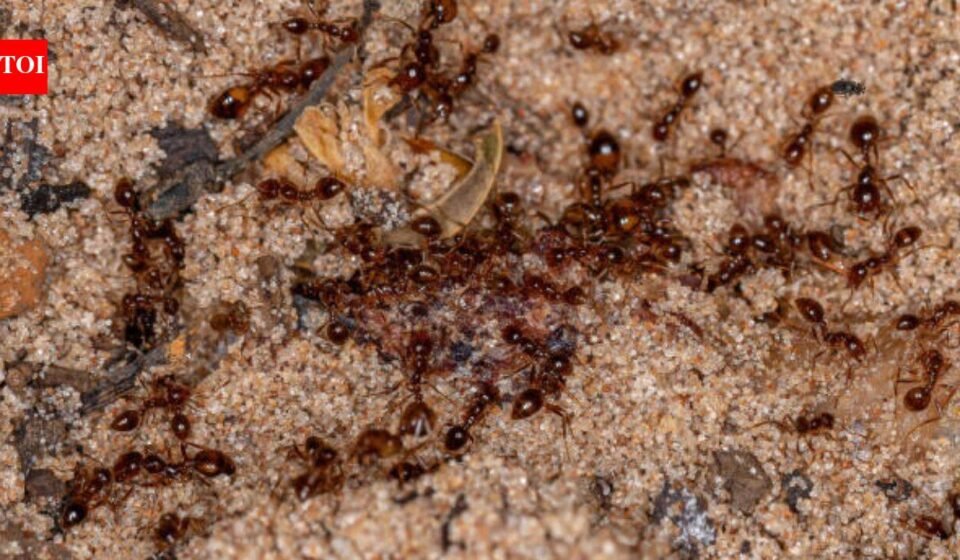
Over the last two decades, indigenous rangers in Australia’s Tiwi Islands have been working on an eradication and conservation effort that was vital to protect the native lives of the region. Scientists, government actors, NGOs and private enterprise all joined hands to eradicate the invasive tropical fire ant species from Melville Island, as they threatened small animals, vulnerable sea turtle hatchlings and nesting birds.
Arrival on land
Relieving the natives
After two decades of consistent effort and the work of the Tiwi Ranger team, tropical fire ants are believed to be no more on Merville Island. In 2025, the species was completely eradicated, according to Ben Hoffmann, who was part of the eradication program from its inception. That same year, the Tiwi Island Rangers received the Territory Indigenous Natural Resource Management Award in Darwin for their efforts.He told the outlet that the impacted area this project addressed, at 1,535 hectares, is large even on a global scale. “There have been very few tropical fire ant eradications around the world, and when they have been done, they have been incredibly small, from one nest to one hectare [2.47 acres] or so,” he said. “After we began, we realised we had to change our methods from broadscale treatment to painstakingly locating individual nests and poisoning them … It is an amazing feat.”Initially, there was no ranger team in the Tiwi Islands at the time of the tropical ant incursion and the invasive species problem was addressed by the local council and housing operations. However, throughout the past two decades and with the assistance of the government’s Indigenous Rangers Program, which assists First Nations peoples in managing their lands, the Tiwi Ranger team was born and grew. Over time, more than 40 rangers were involved in identifying and eradicating tropical fire ant sites. “[The ants] form huge colonies and can really impact the native birds, the small mammals and also sea turtle hatchlings,” Tipungwuti told Mongabay. “They can do a lot of damage and they also can cause red, itchy lumps on the skin if they bite you. Some people can have allergic reactions and can get sick very quickly,” said Tipungwuti, one of the rangers.Studies on the environmental impacts of the ants in the Tiwi Islands and similar landscapes in Australia are few. What is available shows that tropical fire ants target and attack the hatchlings of both birds and reptiles where they have colonised around the world. In the Tiwis, newly hatched tiny sea turtles struggling out of the sand to make their way to the ocean are at risk, said rangers. Each year, the islands play host to the nesting of four sea turtle species, all of which are considered endangered or vulnerable by the Australian government: The olive ridley (Lepidochelys olivacea), the green (Chelonia mydas), the flatback (Natator depressus) and the hawksbill (Eretmochelys imbricata). The hawksbill, while considered vulnerable in Australia, is categorised as critically endangered globally in the IUCN Red List.
Combing through the backyards
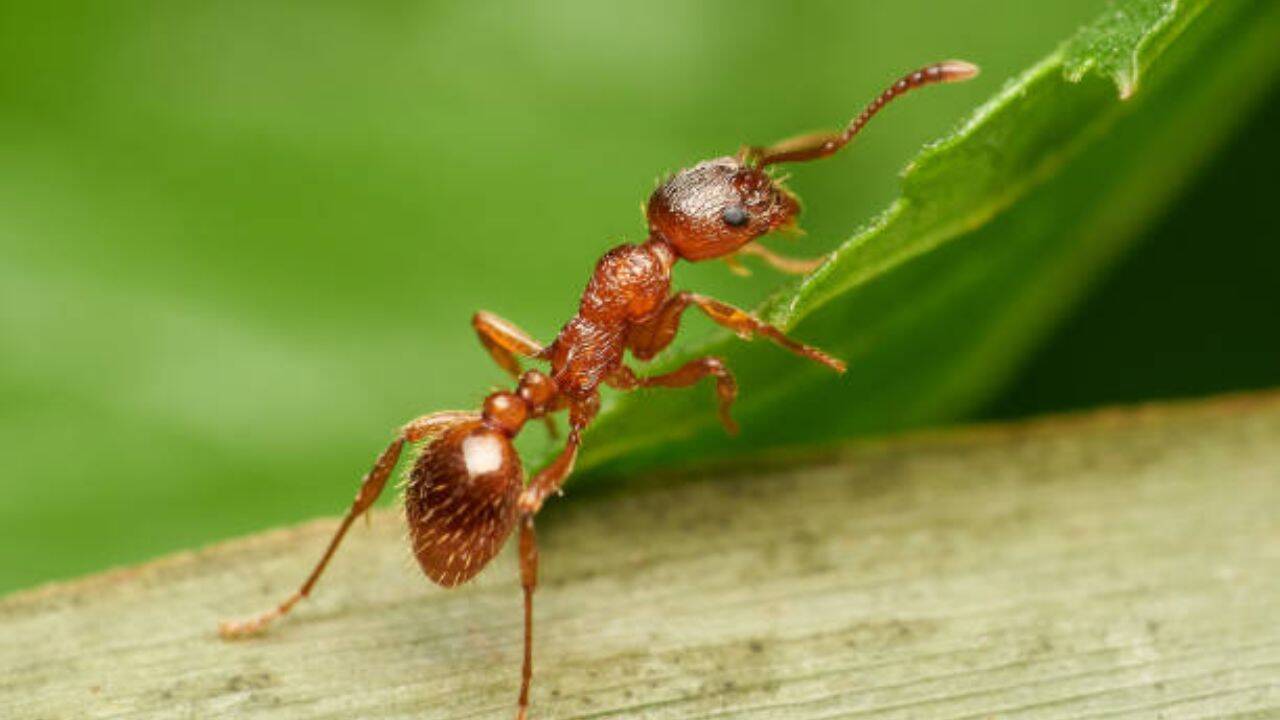
The ranger shared that one of the key challenges during the project involved locating the ant nests, poisoning them with Amdro, an insecticide bait.
The ranger shared that one of the key challenges during the project involved locating the ant nests, poisoning them with Amdro, an insecticide bait and then monitoring sites to ensure the eradication was complete. An all-community effort was essential, he explained, and included input from the Tiwi Plantations Corporation, the largest Indigenous agricultural venture in northern Australia, which is also owned by the Tiwi people.The active ingredient in Amdro is hydramethylnon, which has been shown to negatively affect other insects, such as cockroaches if used in a broadscale manner. A 2010 study in Hawaii showed that use of the poison can also lead to a decline in non-target ant species. To mitigate risk to the wider ecosystem in the case of the Tiwis, baits were concentrated in certain areas and rangers closely monitored sites.While pesticides like Amdro can affect non-target species, their use in the Tiwis has been at a relatively small scale, allowing populations of non-target species to recover. Moreover, given that most granular bait was applied by hand, the risk of pesticides entering the groundwater is significantly reduced.Hoffmann said that while in most circumstances a project like this would not have been achievable, there were some key elements that favoured the Tiwi project. “The first thing is that the tropical fire ant finds it difficult to survive in natural, or undisturbed habitats,” he explained. “In the case of the Tiwis, this meant the focus was on disturbed areas, such as around communities and along roadsides. The good thing is that Melville Island is a largely intact environment.“Secondly, public support meant we could cover every square inch of ground for years. There were the yards of some homes that we went through up to fifty times,” Hoffmann said. “You need a lot of public goodwill to be able to access people’s properties like this.”Back on the Tiwis, Tipungwuti said that the focus of the now 15-strong ranger team is turning to other feral animals such as pigs (Sus domesticus) and cats (Felis catus); both of which have impacted native species through predation and the destruction of habitat.