In 1986, a California city began polishing sewage through constructed marshes; the 307-acre system is now a wildlife sanctuary that has hosted over 300 bird species

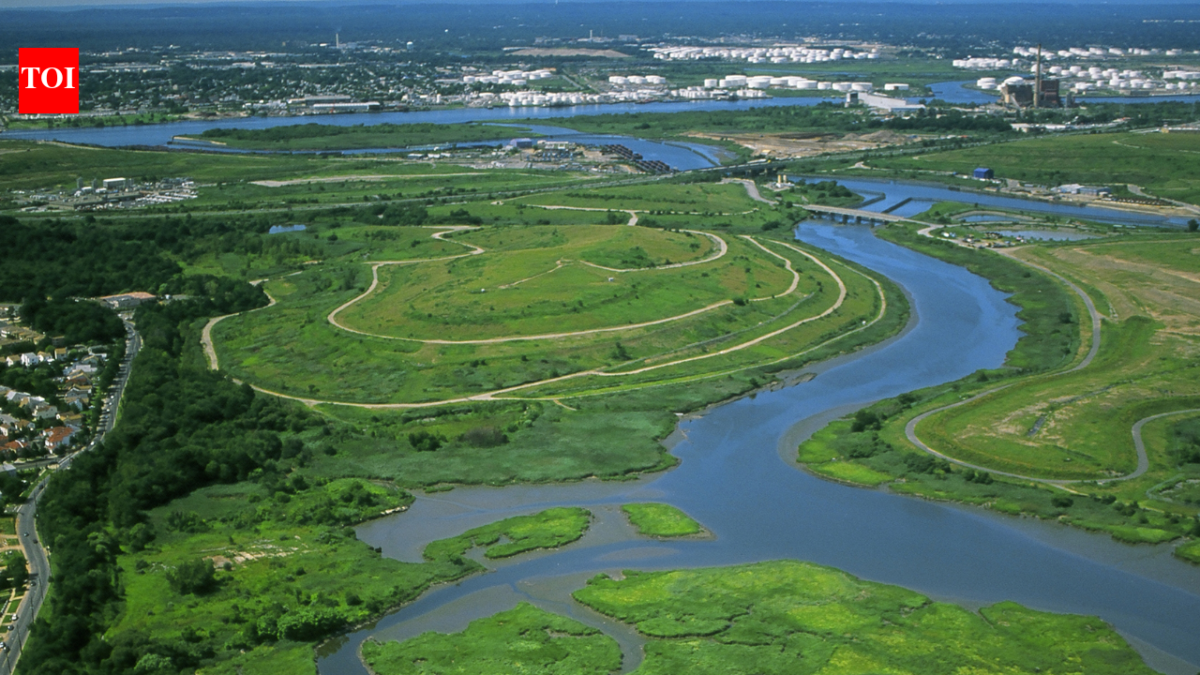
In 1986, the Northern California city of Arcata completed an innovative wastewater treatment system that used constructed wetlands to clean sewage while also creating valuable wildlife habitat. The project eventually became part of the Arcata Marsh and Wildlife Sanctuary, a 307-acre natural area that combines wastewater treatment, habitat restoration, recreation and environmental education. Today, the City of Arcata reports that more than 300 bird species have been recorded at the sanctuary, which lies along the Pacific Flyway and provides an important stopover for migratory birds.
Decentralized wetlands replace a costly regional plant
Arcata’s decision to use wetlands for wastewater treatment grew out of strict environmental regulations introduced in the 1970s. At the time, the city’s wastewater system discharged treated wastewater into Humboldt Bay. Earlier improvements to the plant had included oxidation ponds in 1958, chlorination facilities in 1968 and dechlorination facilities in 1975. California’s Bays and Estuaries Policy then placed tighter limits on wastewater discharges into bays and estuaries. The policy required communities to reduce such discharges unless they could show that the discharge would improve the receiving waters.A regional authority responded by proposing a centralized wastewater treatment plant for communities around Humboldt Bay. According to EPA records, the proposal would have required large pipelines around the bay, including an underwater pipeline beneath an active navigation area. The system would also have required significant energy and operating resources and would have discharged treated wastewater offshore in an area exposed to strong ocean conditions.Arcata instead explored a smaller, decentralized approach using constructed wetlands. The idea was influenced by earlier wastewater aquaculture research in the area. Beginning in the late 1960s, researchers experimented with using partly treated wastewater and seawater to raise young Pacific salmon and trout. These experiments suggested that wastewater could be treated as a useful resource rather than simply as waste.From 1979 to 1982, Arcata carried out pilot studies to test whether constructed freshwater wetlands could treat municipal wastewater. The results showed that wetlands could improve wastewater quality while also supporting biological productivity. Based on the successful experiments, Arcata’s wastewater task force concluded that a wetland-based system could provide reliable treatment while offering environmental and recreational benefits. State approval followed in 1983, and the full-scale system was completed in 1986.
How the wetland system treats sewage
The Arcata system combines conventional wastewater treatment with natural biological processes. EPA documentation identifies seven main stages: headworks, primary clarification, solids handling, oxidation ponds, treatment marshes, enhancement marshes and final disinfection.First, raw sewage enters the headworks, where screens and grit separators remove large pieces of inorganic material. The wastewater then moves into settling tanks, called primary clarifiers, where suspended solids settle to the bottom. These solids are sent to digesters for further treatment. The remaining liquid flows into oxidation ponds, where it stays for an extended period. Natural biological processes in the ponds remove about 50 percent of the remaining biochemical oxygen demand and suspended solids.The water then enters approximately 7.5 acres of treatment marshes planted with native hardstem bulrush (Schoenoplectus acute). Plants and microorganisms in the marsh help remove additional organic matter and suspended solids. After intermediate disinfection, the water moves through 31 acres of enhancement marshes: George Allen Marsh, Robert Gearheart Marsh and Dan Hauser Marsh. Sluice gates and wooden weirs control the flow through these marshes before the water receives final disinfection and is discharged into Humboldt Bay.The wetland plants perform several important functions. Their leaves provide shade, helping limit excessive algae growth and keeping water temperatures lower. Plants and microorganisms also help remove nutrients and break down organic material. Bacteria and fungi living in the wetland sediments contribute to the breakdown of complex substances, while the sediments can hold metals and other materials, reducing their movement through the system.
From damaged industrial land to wildlife habitat
The project also changed a heavily disturbed waterfront into a diverse wetland ecosystem. Before restoration, the area contained an abandoned lumber mill pond, channelized sloughs, pastureland and a closed municipal landfill. The project transformed these disturbed areas into a connected landscape containing freshwater marshes, salt marshes, brackish ponds, tidal sloughs, mudflats and grassy uplands.Several parts of the sanctuary were built by reusing previously disturbed land. Robert Gearheart Marsh was developed on former pastureland, while George Allen Marsh was constructed over an abandoned timber log storage deck. Dan Hauser Marsh was created from a gravel borrow pit used during landfill work. Frank Klopp Lake was also formed from a borrow pit and later became habitat for river otters and diving birds. The closed landfill was reclaimed as Mount Trashmore, a grassy public hill.The wildlife response was significant. Early EPA reports recorded more than 200 bird species using the restored area. Today, the City of Arcata reports more than 300 bird species at the sanctuary, making the marsh an important habitat for shorebirds, waterfowl, raptors and migratory birds.It is also important to distinguish the original treatment project from the sanctuary’s present size. The City of Arcata’s historical timeline shows that the marsh area expanded over time, reaching 154 acres in 1986 and eventually growing to its current 307 acres through later land acquisitions and restoration projects.
Do you believe that using constructed wetlands for wastewater treatment is a sustainable practice?
3k+ users shared opinion today
5k+ users already voted today
3k+ users shared opinion today
Recreation and national recognition
Public access was part of the project’s long-term vision. Today, the sanctuary includes about five miles of walking and biking trails and an Interpretive Center with educational exhibits and information about the marsh’s wildlife, history and wastewater treatment system.The project also received national attention. In 1987, the City of Arcata received recognition through the Ford Foundation for its innovative local government work. EPA records state that the award included $100,000, which helped support development of the Arcata Marsh Interpretive Center.The Arcata Marsh project became an important example of nature-based infrastructure. Instead of treating wastewater and environmental restoration as separate goals, Arcata combined them in one system. The result was infrastructure that met wastewater treatment needs while also restoring damaged land, creating wildlife habitat, supporting education and research, and providing a public recreational space. The project demonstrated how a municipal utility could become part of a larger urban ecosystem rather than simply being a piece of industrial infrastructure.