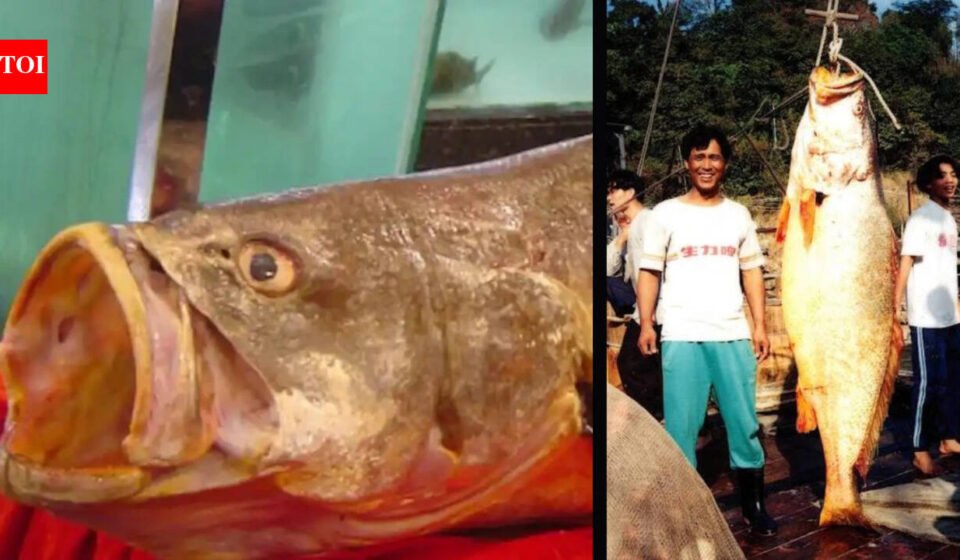
The Chinese Bahaba, a critically endangered fish nicknamed the “Panda of the Sea,” was missing in Hong Kong for more than a decade until its DNA revealed its identity.

Traces of genetic material collected from seawater have revealed the presence of Bahaba taipingensis in Hong Kong’s western waters, the first scientific confirmation of the rare fish species in Hong Kong in more than a decade.nicknamed “Panda in the sea“ Due to its small numbers, this giant marine fish has disappeared from local records after years of heavy fishing.The research paper, published on the preprint server bioRxiv, titled “Tracking the ‘Ocean Panda’: Species-specific qPCR detection of the critically endangered Taiping grouper in the Pearl River Estuary,” details how scientists from Lingnan University and South China Normal University used environmental DNA (eDNA) technology to track this fish.
CJP Jantar Mantar Protest Updates
The joint research was co-led by Assistant Professor Ye Zhihao from the School of Science at Lingnan University and Wang Junjie from South China Normal University.
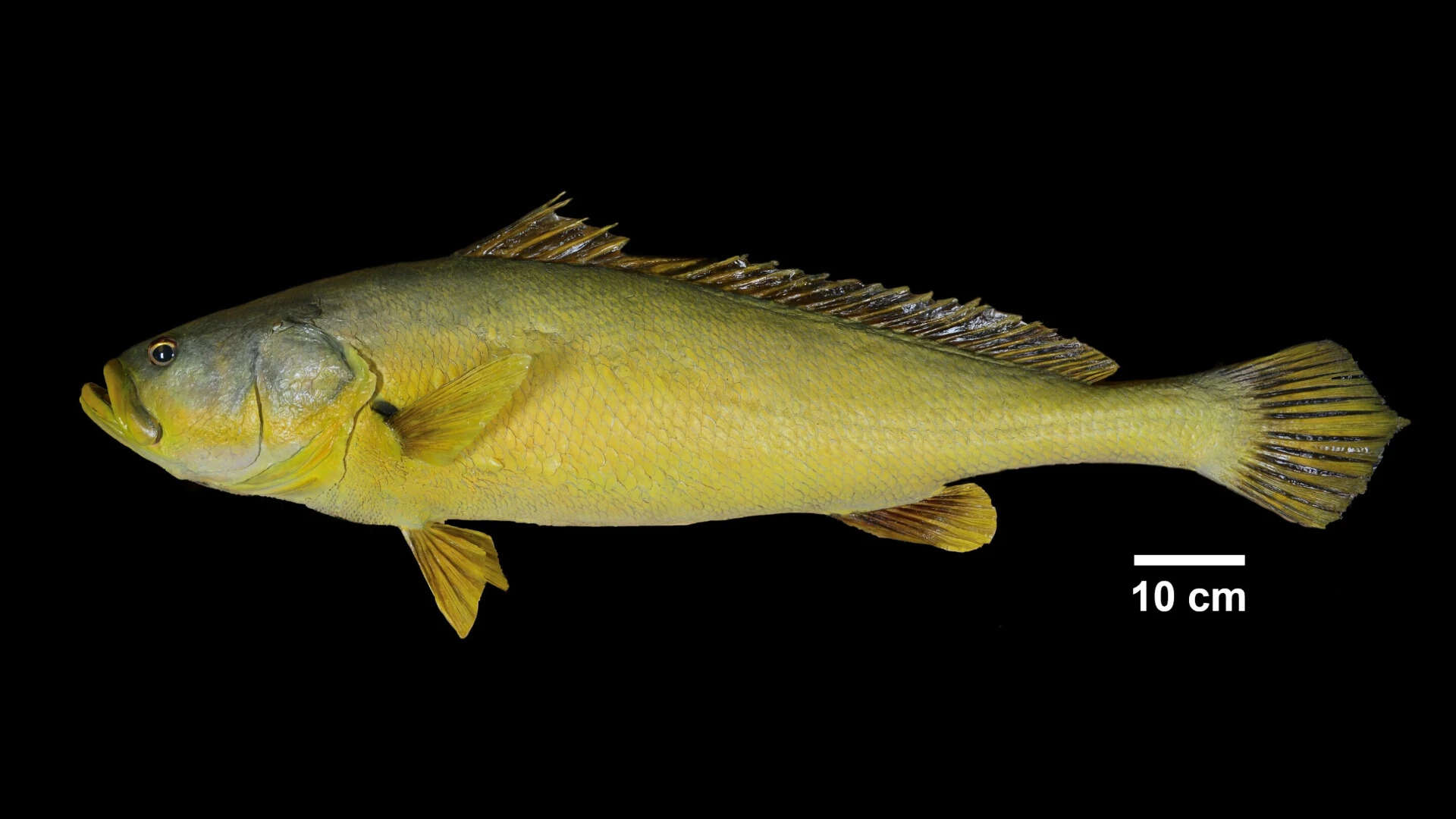
Trace amounts of DNA show Hong Kong’s Chinese Bahabas critically endangered after a decade without records
Track fish without catching them
The Chinese yellow croaker only lives along the coast of China and is the largest member of the South China Sea croaker family, with a body length of up to two meters. Historically, it was common in the Tai O area and local villagers called it “Tai O fish”, but due to the high demand for the swim bladder used in traditional medicine, the number of wild swim bladders has rapidly decreased. The fish is now listed as a first-level protected wild animal in China.Standard fish surveys rely on hauling large nets, which can harm rare marine life and damage the seafloor. To avoid this, the team studied the fish’s genes and established an accurate detection method called qPCR.The new technology can identify tiny bits of genetic material, such as skin mucus or waste left in the water, without confusing Bahabas with other fish.“There has been no record of a Chinese Bahaba in the waters of the Hong Kong Special Administrative Region for more than a decade,” Ip said.“Given the species’ extreme rarity, the chances of encountering it through traditional survey methods are very low, making it difficult to understand its distribution. Reliable advanced monitoring techniques are critical to effectively track wild populations and assess the survival and adaptation of released larvae in their natural habitats.”Ye noted that testing water quality has clear advantages over capturing live animals.“The biggest advantage of eDNA technology is its non-invasive nature. It allows scientists to confirm the presence of species without capturing or disturbing individual fish. Researchers only need to collect seawater samples to conduct large-scale ocean surveys in a short time, greatly reducing the sampling workload.”“This technology also provides conservation organizations with an effective tool to evaluate the results of juvenile fish release programs. In addition to long-term monitoring of Chinese snakeheads in the Pearl River Estuary and nearby waters, this technology can also be combined with other eDNA methods to support biodiversity monitoring and provide valuable reference data for conservation planning in the Guangdong-Hong Kong-Macao Greater Bay Area.”“
Water samples from local bays
Researchers collected water from 23 sites in western Hong Kong between January and September 2025. The research team collected samples from major natural areas including Mai Po Nature Reserve, Sha Chau and Lung Kwu Chau Marine Parks, Brothers Marine Park and South West Lantau Marine Park.The field team collected three 1-liter water samples per site per visit, for a total of 414 seawater samples. Clean distilled water was tested along with marine samples to ensure no external DNA was mixed into the lab tests.Laboratory tests found the presence of Chinese Bahaba eDNA in water collected at four different locations in September 2025:
- Tai O
- Shacha and Lung Kwu Chau Marine Park
- Southwest Lantau Marine Park
- Sunny Bay, close to Brothers Ocean Park
Of all the positive sites, fish DNA was the highest and most common in Tai O.
Clues to recent fish releases
High DNA levels found in Tai O in September 2025 are consistent with local release plans. A month ago, in August 2025, wildlife conservation groups released approximately 1,300 farm-raised Bahaba chinensis cubs into the nearby Pearl River Estuary to increase the wildlife population.Strong eDNA signals near Tai O indicated that several of the juvenile fish swam into the waters of western Hong Kong after being released.By demonstrating that juvenile fish migrate into local bays, the water testing method provides scientists with a safe way to track released fish and protect the region’s vital waters.